

Where Compact Design Actually Makes Sense
You don’t always have the footprint for a full shell and tube unit. That’s just reality in a lot of Houston facilities—retrofits, expansions, tight mechanical rooms where every inch is already spoken for.
That’s where brazed plate heat exchangers start to make a lot more sense than people expect.
What You’re Really Getting With Brazed Plate Units
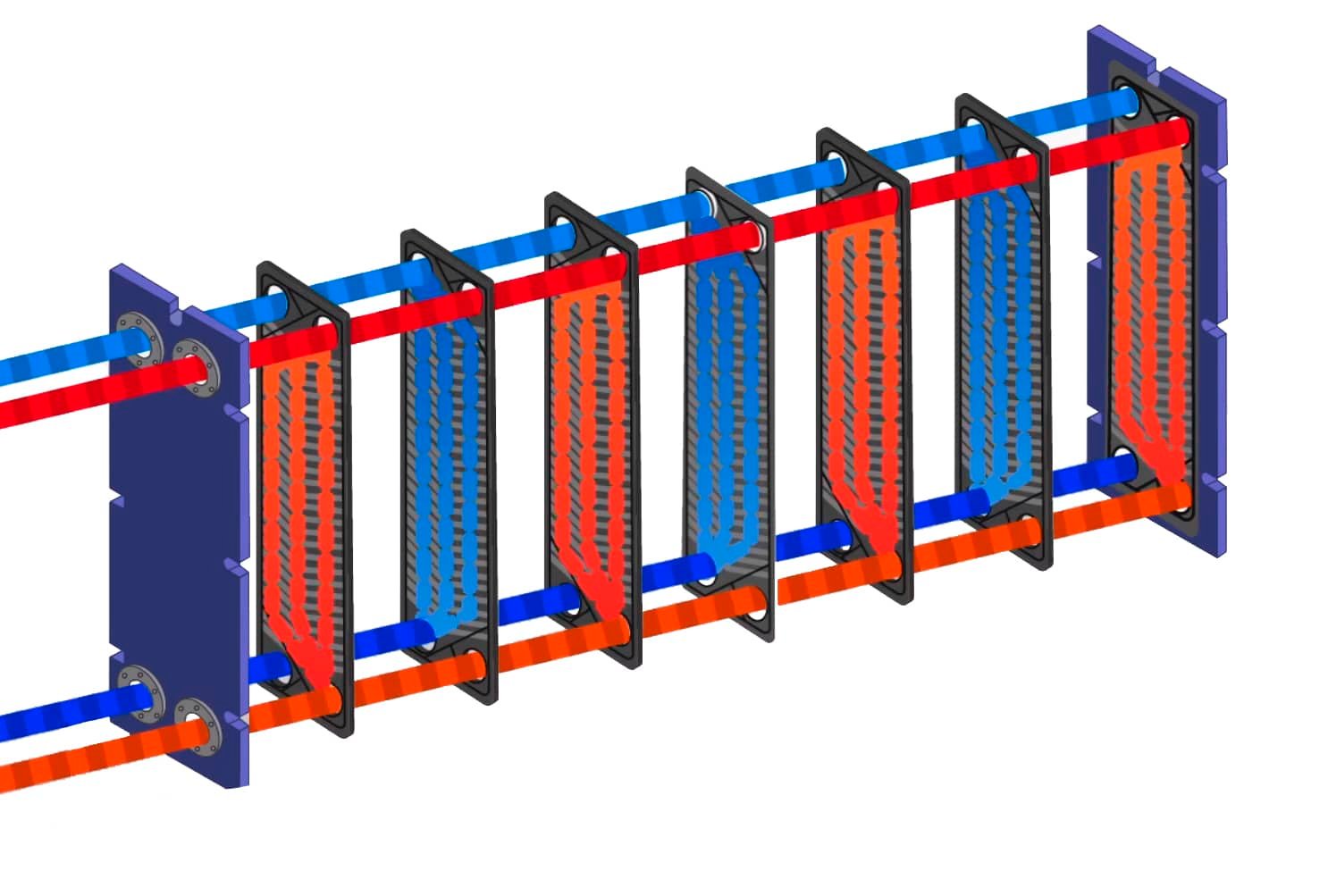
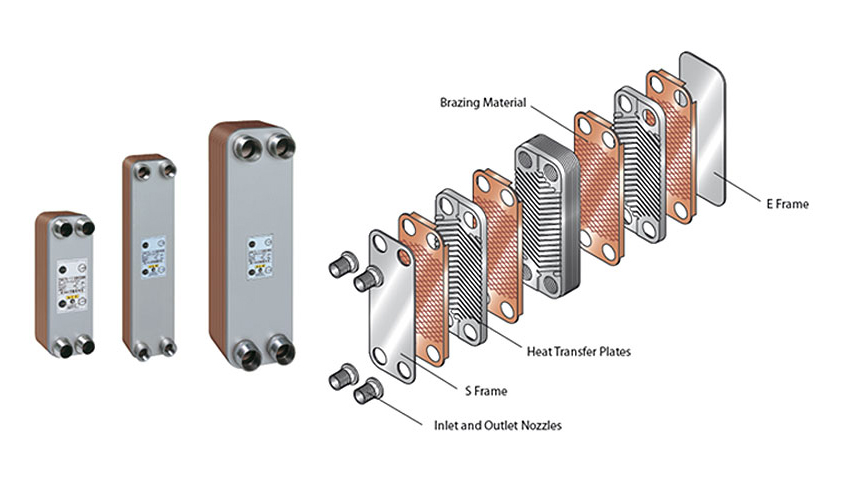
At a glance, they look simple. A stack of plates, brazed together, sealed tight. No gaskets, no bolts to retorque.
But a heat exchanger like this is doing serious work—high thermal efficiency, compact footprint, and fast response to temperature changes that larger units just can’t match.
That’s the upside.
Why They Show Up in Houston Plants More Often Now
Look, over the last couple decades, space constraints and energy efficiency targets have pushed more engineers toward compact solutions.
Plate and frame heat exchangers still have their place. Shell and tube heat exchangers aren’t going anywhere. But brazed plate units fill a gap—especially in secondary systems, utility loops, and skid-mounted packages.
And that’s a bigger deal than most people think.
No Gaskets Means Fewer Headaches—Until It Doesn’t
One of the biggest selling points is no gaskets. Nothing to replace, nothing to creep or fail under pressure cycles.
Sounds great. And most of the time, it is.
But when a brazed plate unit fails internally, you’re not opening it up and swapping parts. You’re replacing the entire unit. That’s the tradeoff, whether people say it out loud or not.
Fouling Behavior Is Different—Plan for It
Here’s something that catches people off guard. Fouling in brazed plate exchangers behaves differently than in shell and tube designs.
Channels are tighter. Flow paths are more restrictive. So when fouling starts, performance can drop faster than expected.
You need clean service fluids—or you need to accept shorter operational cycles between replacements.
Temperature and Pressure Limits Matter More Than You Think
Not every service is a good fit.
High-temperature, high-pressure applications—especially in refining—still lean toward traditional designs. Brazed plate units have limits, and pushing them isn’t a great idea (and no, that’s not something you want to test during startup).
That’s why application knowledge matters. Not just specs—actual experience.
When Lead Time Becomes the Real Problem
You spec a unit. It fits perfectly. Performance checks out.
Then it fails, and suddenly you’re waiting weeks for a replacement.
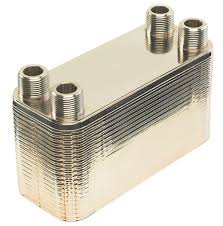
Kinetic Engineering built their model around avoiding that exact situation. Stocking brazed plate units alongside shell and tube, air cooled heat exchangers, and more—right here in Houston, ready to move when plants can’t wait.
Mid-Stream Failures Don’t Give You Options
They just give you pressure.
Where Brazed Plate Units Fit Best
So where do these units actually shine?
Closed-loop cooling systems. HVAC-related industrial processes. Oil cooling, water-to-water applications, situations where fluids are relatively clean and space is tight.
You’re not replacing every exchanger in a refinery with these. That’s not the point.
They’re a tool. The right one, in the right place.
The Risk of Treating Them Like Everything Else
Here’s a question—how many times have you seen someone try to apply the same maintenance logic across completely different exchanger types?
It doesn’t work.
You can’t treat a brazed plate unit like a plate and frame. You can’t expect shell and tube durability in services they weren’t designed for.
That mismatch is where problems start.
Why Houston Experience Changes the Conversation
Kinetic Engineering has been around since 1969. They’ve watched Houston industrial equipment evolve—from large, heavy-duty designs to more compact, efficiency-driven systems.
They understand where brazed plate exchangers fit—and where they don’t.
And just as important, they’ve got the inventory to back it up. Not theoretical availability. Actual units on the floor serving the Gulf Coast industrial corridor.
Getting the Call Right the First Time
You don’t want to guess on this kind of decision. Not when uptime, space, and performance are all tied together.
If you’re evaluating brazed plate heat exchangers, trying to match an existing unit, or figuring out whether they even belong in your system, Kinetic Engineering Corporation is the place to start. They’ll tell you straight—what works, what doesn’t, and what you can actually get when you need it.
FAQ
When should I choose a brazed plate heat exchanger over shell and tube?
When space is limited and fluids are relatively clean. They’re great for compact, high-efficiency applications but not ideal for heavy fouling services.
Can brazed plate exchangers be repaired?
Not typically. If they fail internally, replacement is usually the only option.
How long do brazed plate heat exchangers last?
It depends on service conditions. Clean systems can run for years. Fouling or aggressive fluids will shorten lifespan.
Are they suitable for refinery applications?
In certain secondary systems, yes. But primary process services usually require more robust designs like shell and tube.
