

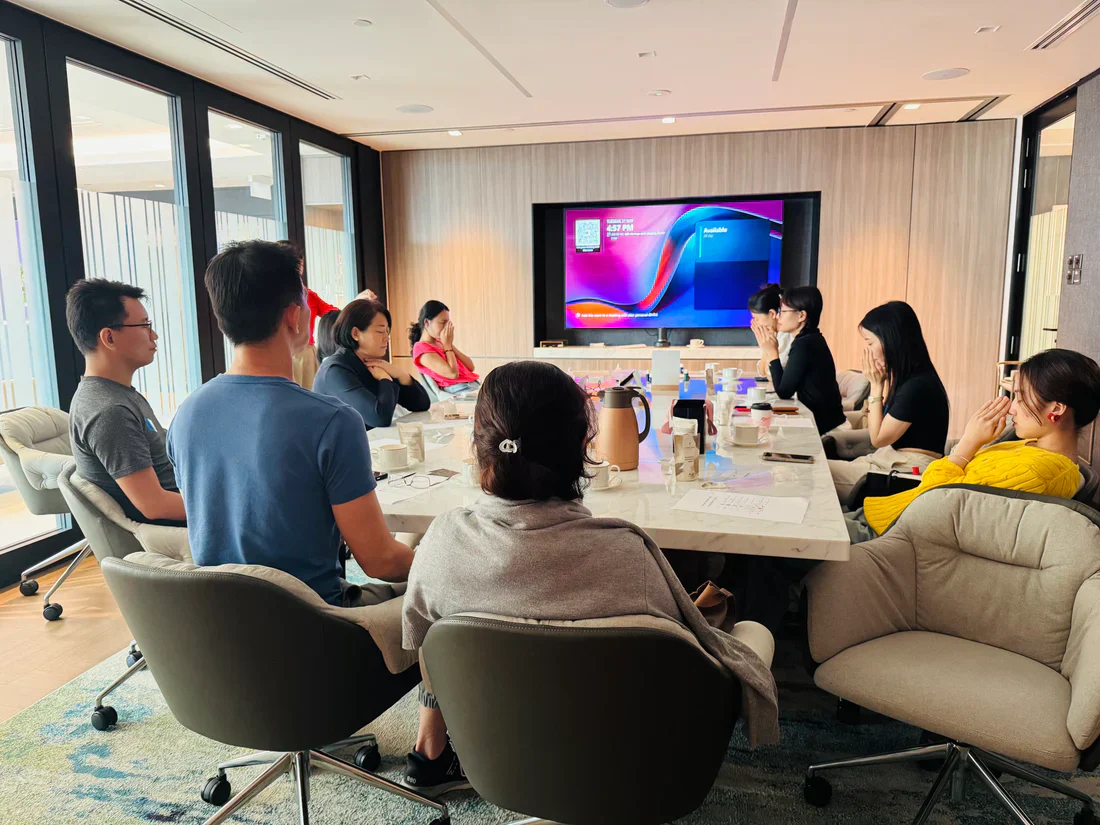
The way people work in Singapore is changing fast. Long hours, digital overload and high performance pressure are now common across industries. As we move toward 2026, companies can no longer rely only on salaries, titles or perks to keep employees motivated. The real difference comes from how well organizations care for their people.
This is where a strong corporate wellness program Singapore strategy becomes essential. Companies that invest in employee wellbeing today are building healthier, more focused and more loyal teams for the future.
Why Workforce Performance in Singapore Needs a New Approach
Singapore has one of the most competitive and demanding work environments in Asia. According to the Ministry of Manpower Singapore, work-related stress and mental fatigue are among the top concerns affecting employee productivity and retention.
At the same time, the World Health Organization (WHO) reports that depression and anxiety cost the global economy over USD 1 trillion each year in lost productivity. These challenges are not distant problems. They are already shaping how teams perform, collaborate, and innovate in Singapore offices today.
High performance in 2026 will not come from pushing employees harder. It will come from helping them work smarter, healthier and with greater balance.
What Is a Corporate Wellness Program and Why It Matters
A corporate wellness program is a structured set of initiatives designed to support employee physical, mental and emotional health. Modern workplace wellness in Singapore goes beyond gym memberships or annual health checks.
An effective employee wellness program Singapore companies adopt today often includes stress management, mental health support, mindfulness practices, lifestyle education and preventive care.
According to the Global Wellness Institute, organizations with well-designed wellness initiatives see higher engagement, lower absenteeism and stronger overall performance. Wellness is no longer a “nice to have.” It is a business strategy.
The Link Between Wellness and High Performance
High-performing teams share common traits. They are focused, resilient, collaborative, and motivated. These qualities are deeply connected to wellbeing.
Research published by the National University of Singapore (NUS) highlights that employees with better mental health show stronger decision-making, improved concentration, and better teamwork. When stress levels remain unmanaged, errors increase and creativity drops.
Workplace wellness Singapore programs help employees manage pressure before it turns into burnout. This creates a steady workforce that can perform consistently, even during demanding periods.
Why 2026 Is a Turning Point for Corporate Wellness in Singapore
Several trends are shaping the future of work in Singapore. Hybrid work models, digital tools, and rapid innovation cycles are increasing mental load. At the same time, younger employees entering the workforce expect employers to care about wellbeing.
A survey by Deloitte Southeast Asia found that more than 70 percent of employees consider wellbeing support when choosing an employer. Companies that ignore this shift risk losing talent to organizations that prioritize employee wellbeing initiatives Singapore workers value.
By 2026, corporate wellbeing solutions Singapore businesses invest in today will directly affect their ability to attract, retain, and motivate top talent.
What Makes an Effective Corporate Wellness Program in Singapore
Not all wellness programs deliver results. Generic or one-size-fits-all initiatives often fail to engage employees. Effective corporate health and wellness Singapore strategies share a few key qualities.
First, they take a holistic approach. Physical health, mental wellbeing, emotional balance, and social connection are treated as equally important. Second, they are practical and accessible. Employees can easily participate without feeling overwhelmed or judged.
Third, successful programs align with company culture. A fast-growing tech startup may need different wellness solutions than a hospitality or finance firm. Custom corporate wellness programs Singapore companies adopt tend to show better long-term outcomes.
The Role of Mental Wellness in Workplace Success
Mental health is now one of the most critical factors in employee performance. The Institute of Mental Health Singapore reports rising awareness and demand for workplace mental health programs.
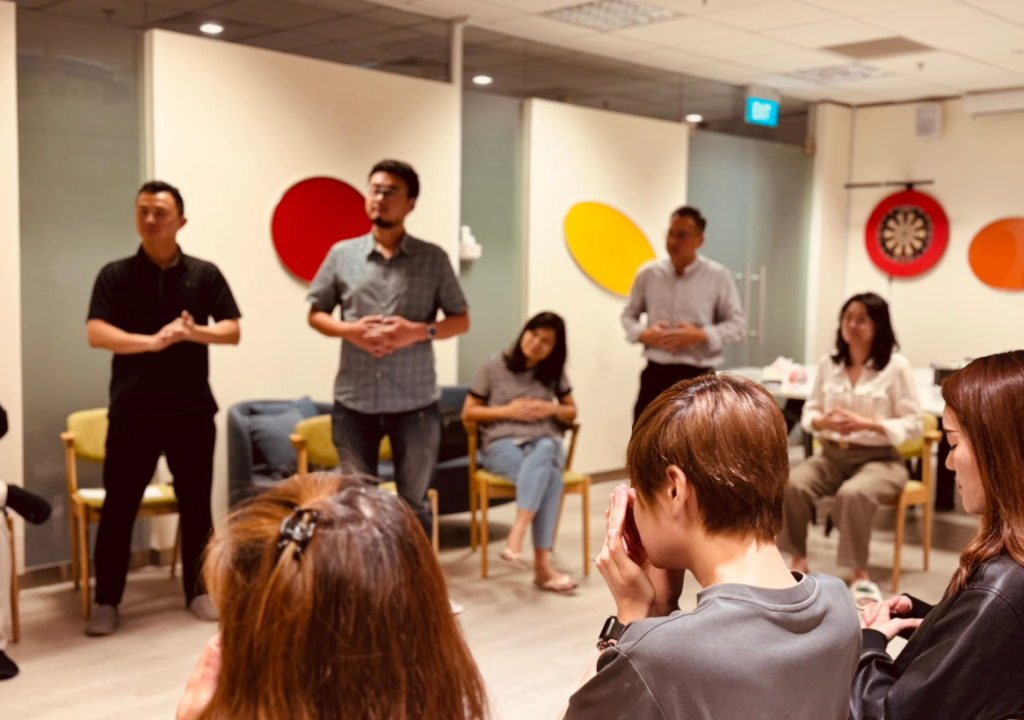
Mental wellness programs for employees Singapore organizations offer help employees manage anxiety, improve focus, and handle pressure in healthy ways. Mindfulness sessions, sound healing, guided relaxation, and stress management workshops are becoming popular because they deliver immediate relief and long-term skills.
When mental wellness is supported, employees feel safer speaking up, collaborating, and contributing ideas. This directly impacts innovation and productivity.

How Wellness Programs Improve Productivity and Engagement
Productivity is not about working longer hours. It is about energy, clarity, and motivation. According to research from Harvard Business Review, employees who feel supported in their wellbeing are more engaged and perform better at work.
Workplace wellness Singapore initiatives reduce absenteeism by addressing health issues early. They also reduce presenteeism, where employees are physically present but mentally exhausted.
Employee engagement and wellness Singapore strategies work best when leadership actively supports them. When leaders participate, wellness becomes part of daily work life, not an extra task.
Wellness as a Tool for Talent Retention in Singapore
Employee turnover is costly. The Singapore Human Resources Institute (SHRI) estimates that replacing an employee can cost up to 150 percent of their annual salary when recruitment, training, and lost productivity are considered.
Corporate wellness benefits Singapore companies by improving job satisfaction and loyalty. Employees are more likely to stay with organizations that care about their long-term health and happiness.
In 2026, retention will be driven by culture as much as compensation. Corporate wellness for organizations Singapore-based is becoming a key differentiator in competitive job markets.
Measuring the Impact of Corporate Wellness Programs
Business leaders often ask whether wellness programs deliver real results. The answer is yes, when measured correctly.
The Global Wellness Institute reports that companies with strong wellness strategies see measurable improvements in productivity, healthcare cost savings, and employee morale. Metrics such as reduced sick leave, improved engagement scores, and higher retention rates provide clear evidence of impact.
Corporate wellness consulting Singapore providers often help organizations track these outcomes to ensure programs remain effective and aligned with business goals.

Choosing the Right Corporate Wellness Partner in Singapore
Selecting the right partner is crucial. A good provider understands local workplace culture, employee needs, and modern wellness practices.
Organizations looking for trusted corporate wellness services Singapore should focus on partners who offer flexible programs, experienced facilitators, and evidence-based approaches. A well-designed program adapts as the workforce evolves.
Many companies now explore holistic corporate wellness Singapore solutions that include experiential workshops, mindfulness sessions, and lifestyle education.
For businesses seeking a meaningful and customised approach, a trusted corporate wellness program Singapore solution can support long-term workforce performance through intentional and human-centred practices.
Building a Sustainable and High-Performing Workforce in Singapore
The future of work in Singapore belongs to organizations that invest in people, not just processes. Corporate wellness programs are no longer short-term initiatives. They are long-term strategies for performance, culture, and growth.
By implementing workplace mental health programs Singapore employees genuinely benefit from, companies create environments where people feel supported and motivated. This leads to stronger engagement, better productivity, and a workforce ready for 2026 and beyond.
