

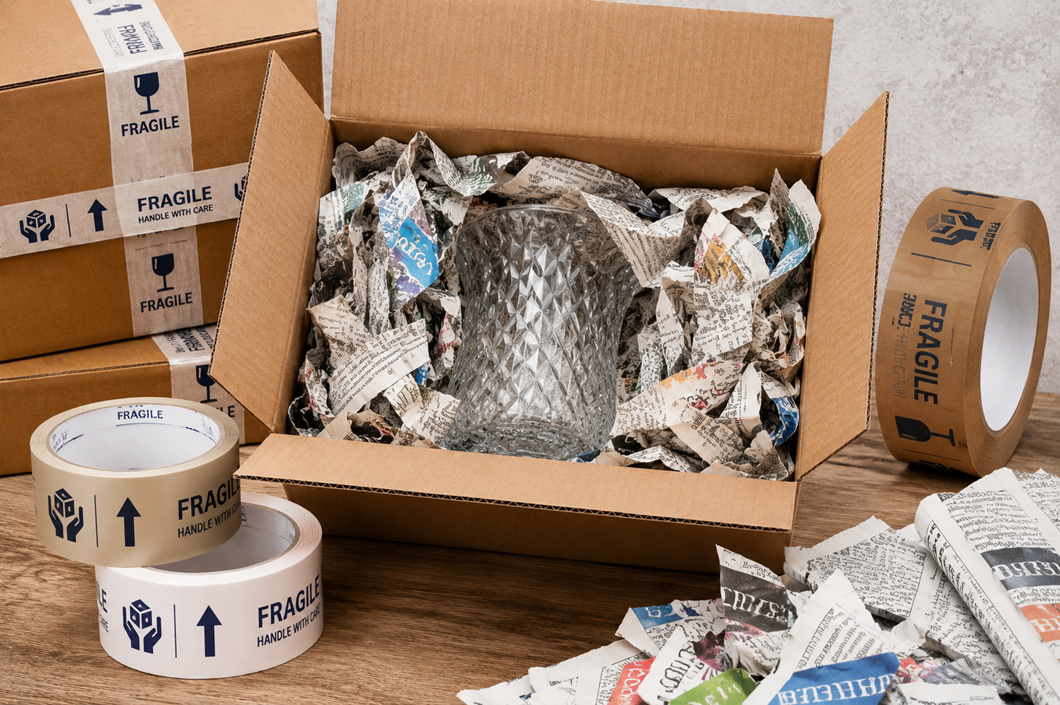
A fragile item rarely gets damaged by a single dramatic drop. More frequently, small knocks, repeated movement and pressure during handling slowly create the problem. A glass edge rubs against the side of the pack. A ceramic surface takes light impact. A framed piece shifts slightly every time the parcel changes hands.
That is why safe delivery begins long before dispatch. The outer layer matters, but what happens inside the pack often matters even more. Thoughtful protective packaging absorbs movement, reduces friction and helps vulnerable surfaces avoid unnecessary pressure.
In practical packing environments, the difference between a clean arrival and a disappointing one usually comes down to choosing the right materials rather than simply adding more.
Why Do Fragile Items Need More Than a Strong Outer Box?
Many people assume a rigid box is enough. In reality, fragile products are usually damaged by movement inside the package rather than the outer shell itself.
A good outer pack creates structure. Internal cushioning controls motion.
Packing specialists usually pay attention to three things:
- how much empty space remains inside
- whether edges or corners are exposed
- how many handling points the parcel is likely to pass through
That practical approach is why fragile goods are usually packed in layers rather than relying on a single material.
Which Cushioning Materials Help Prevent Surface Damage?
Newspaper Offcuts
For lighter products, newspaper offcuts remain a practical cushioning option.
They help fill small gaps, support awkward corners and reduce internal shifting. They are especially useful for wrapping lightweight ceramics, framed prints, and decorative pieces, where even minor movement can create visible marks.
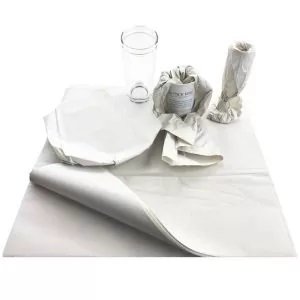
In packing rooms, offcuts are commonly used because they adapt easily around irregular shapes. That flexibility helps build support without forcing pressure against delicate surfaces.
Bubble Cushioning
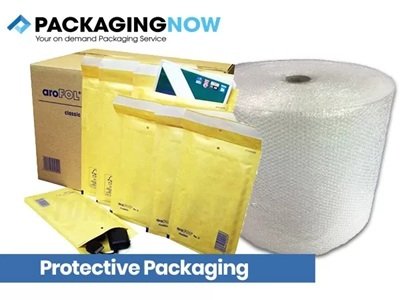
Bubble cushioning is generally used where surface protection matters as much as impact absorption.
A light wrap around glassware, decorative objects or polished homeware helps soften contact points during movement. It also creates a protective layer between the item and the outer pack.
In retail fulfilment, this extra barrier often prevents the small abrasions that tend to appear during repeated handling.
How Important Is the Outer Structure?
The outer shell plays a much bigger role than many buyers expect.
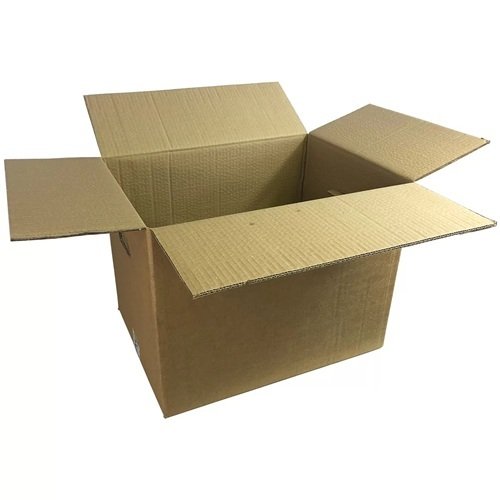
Corrugated Cartons
Strong cardboard boxes help distribute pressure more evenly during transport.
The structure helps protect against stacking weight, side compression and contact from surrounding parcels. For fragile goods, choosing the correct box size matters just as much as choosing the board strength.
Oversized cartons allow too much movement. A closer fit usually creates better control.
Double-Wall Protection
Heavier, fragile products often need additional rigidity. Double-wall structures are usually chosen for:
- ceramics
- small mirrors
- heavier glass items
- decorative home accessories
That extra strength becomes particularly useful where parcels pass through multiple handling stages.
Can Small Details Make a Big Difference?
They often do. Fragile items are usually most vulnerable at edges, seams, and corners. Those are the areas that take pressure first.
That is why experienced packing teams usually reinforce:
- corners
- exposed rims
- raised surfaces
- delicate protruding details
Even a carefully placed internal layer can make a visible difference to the condition of the item on arrival.
A useful example can be seen in the decorative retail sector. Candle holders, glass vases and ceramic bowls often travel safely not because the outer packaging looks heavy, but because the internal contact points have been properly controlled.
Why Does Sealing Matter More Than People Think?
A carefully packed parcel can still fail if the closure is weak. Reliable printed tapes help keep cartons secure throughout movement, loading and stacking.
Strong sealing keeps the base stable and reduces the chance of flaps loosening during repeated handling. Printed sealing also helps handlers identify parcels more clearly, especially where fragile instructions need to remain visible.
In practical dispatch environments, a clean and secure seal helps protect the internal packaging from structural damage during transit.
How Do Professionals Pack Fragile Goods More Safely?
The safest results usually come from layering rather than overpacking.
A practical approach often includes:
- internal cushioning around the product
- controlled filling of empty spaces
- a correctly sized outer carton
- secure sealing at load-bearing points
This method keeps the contents stable without creating unnecessary bulk.
That balance matters because too much packing can sometimes create pressure rather than protection.
What Should Buyers Consider Before Choosing Materials?
The product itself should guide the decision. A ceramic vase, a framed print and a glass candle holder may all be fragile, but they need different support. Weight, shape, finish and surface sensitivity all affect the packing choice.
That is why experienced buyers usually match materials to the product rather than relying on one universal format. Thoughtful protective packaging almost always performs better than simply using more material.
Conclusion
Fragile products are rarely damaged by a single impact. More often, repeated handling, internal movement and small points of pressure slowly create visible wear.
From newspaper offcuts to strong cardboard boxes and secure printed tapes, the right materials work together to control movement and reduce risk. When the packing fits the product properly, fragile items arrive looking exactly as they should—clean, secure and ready to impress.
