

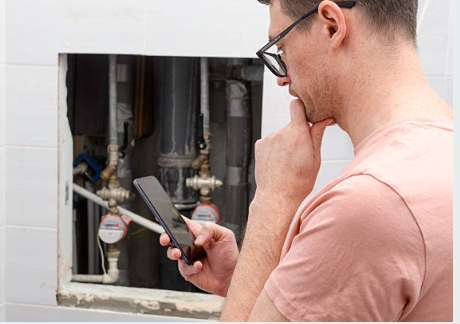
A plumbing issue can damage walls, flooring, cabinets, ceilings, and personal property within hours. Yet many homeowners lose time in the claims process because they focus only on cleanup and miss the steps that protect the claim itself.
A plumbing damage claim often slows down when the insurer lacks clear evidence, receives late notice, or sees gaps between the reported cause and the visible damage. The good news is that most of these delays are avoidable with faster action and better documentation.
Why Plumbing-Related Claims Get Stuck So Easily
Water damage claims often look simple from the outside.
- A pipe bursts, a supply line fails, or a hidden leak shows up after damage spreads. However, insurers usually review more than the damage itself.
- Look at cause, timing, mitigation, maintenance, supporting records, and policy language before moving a claim forward.
- Claims can be delayed or denied when the damage appears gradual instead of sudden, when reporting happens too late, or when the evidence does not clearly show what happened and when.
That is why plumbing losses need a careful response from the start. The first few hours matter not only for drying and cleanup, but also for preserving proof. If the damage changes before it is documented, the claim can become harder to explain.
Waiting Too Long to Report the Loss
One of the most common mistakes is delay. Many policyholders wait because they are trying to stop the leak, call a plumber, move belongings, or understand whether the damage is serious enough to report.
That delay can create problems. Insurers often have reporting timeframes, and they may question whether later damage happened because the original water loss was not addressed quickly enough. Several claim-guidance sources specifically warn that late reporting can reduce, invalidate, or complicate a water damage claim.
You do not need every answer before you notify the insurer. Early notice protects your timeline. You can usually provide more documentation afterward. A same-day report, or as close to it as possible, puts the claim in motion and reduces room for doubt about when the loss was discovered.
Failing to Document the Damage Before Cleanup
Another mistake is starting the cleanup before creating a full record. That often happens when homeowners panic, start drying immediately, throw away damaged materials, or move items without taking photos. While mitigation is important, the claim still needs evidence.
Multiple insurance-claim guides recommend taking clear photos and videos of all affected areas, keeping receipts, and preserving records of emergency repairs and mitigation work. They also caution against discarding damaged items too soon unless they were documented first or the insurer approved disposal.
A stronger file usually includes:
| What to Document | Why It Helps |
| Photos of the leak source | Helps connect the damage to the plumbing failure |
| Wide and close-up damage photos | Shows both the overall spread and the specific impact |
| Videos of wet areas | Captures active conditions and severity |
| Plumber’s findings | Helps explain cause and timing |
| Drying or mitigation invoices | Shows you acted to prevent further damage |
| Receipts for temporary repairs | Supports claim-related expenses |
A plumbing damage claim moves more smoothly when the insurer can see the damage clearly and follow the timeline without guessing.
Ignoring the Difference Between Sudden Damage and Long-Term Leaks
Not every plumbing-related loss is treated the same way.
- One important issue is whether the damage was sudden and accidental or gradual over time.
- A burst pipe or unexpected appliance line failure may be treated differently from a slow leak that went unnoticed for months.
- Some insurers deny claims when they believe the problem came from wear and tear, poor maintenance, or chronic seepage rather than a sudden event.
This matters because homeowners sometimes describe the damage too loosely. Saying there was water damage may not be enough. The claim becomes stronger when you can show when the issue was discovered, what caused it, what steps were taken immediately, and whether a plumber identified a sudden plumbing failure.
That does not mean every claim will be covered. It does mean the cause should be described carefully and backed by records, photos, and professional findings.
Overlooking Policy Terms and Exclusions
Many delays begin because the homeowner assumes all water damage is covered. In reality, policy language matters. Some policies draw important distinctions between plumbing leaks, flood damage, repeated seepage, maintenance issues, and resulting property damage.
Several published guides stress the importance of reviewing policy details, especially exclusions, deductibles, and the difference between covered sudden water damage and excluded long-term issues.
This is where many readers save time by asking better questions early:
- Does the policy cover the sudden escape of water?
- Are long-term leaks excluded?
- Is access to the failed pipe covered, or only the resulting damage?
- Are mold-related costs limited?
- Does the policy require specific mitigation steps?
A plumbing damage claim is easier to manage when you understand what the insurer is reviewing under the policy.
Not Bringing in Qualified Help Early
Many homeowners try to handle the whole process alone at first. Sometimes that works. Sometimes it creates more confusion. Professional help can matter when the leak source is unclear, hidden moisture is likely, the insurer questions the cause, or the scope of repair seems incomplete.
Published guidance on water claims recommends using professional restoration or other qualified experts to document damage accurately and help keep the claim organized.
Useful professionals may include:
- A licensed plumber to identify the failure source
- A mitigation company to dry the affected areas
- A contractor to estimate full repairs
- A claim professional if the loss becomes disputed or underpaid
Professional records often make the claim easier to review because they add technical detail, dates, and measurable findings.
The Final Words
Most claim delays do not start with one dramatic error. They usually start with small gaps: late reporting, weak photos, missing receipts, vague explanations, or a poor understanding of policy terms. A plumbing-related loss is stressful enough without adding preventable claim problems on top of it.
The best response is fast notice, solid documentation, careful recordkeeping, and a clear explanation of what happened. When a plumbing damage claim is built on details instead of assumptions, it becomes much easier for the insurer to review and much easier for the property owner to defend.
