

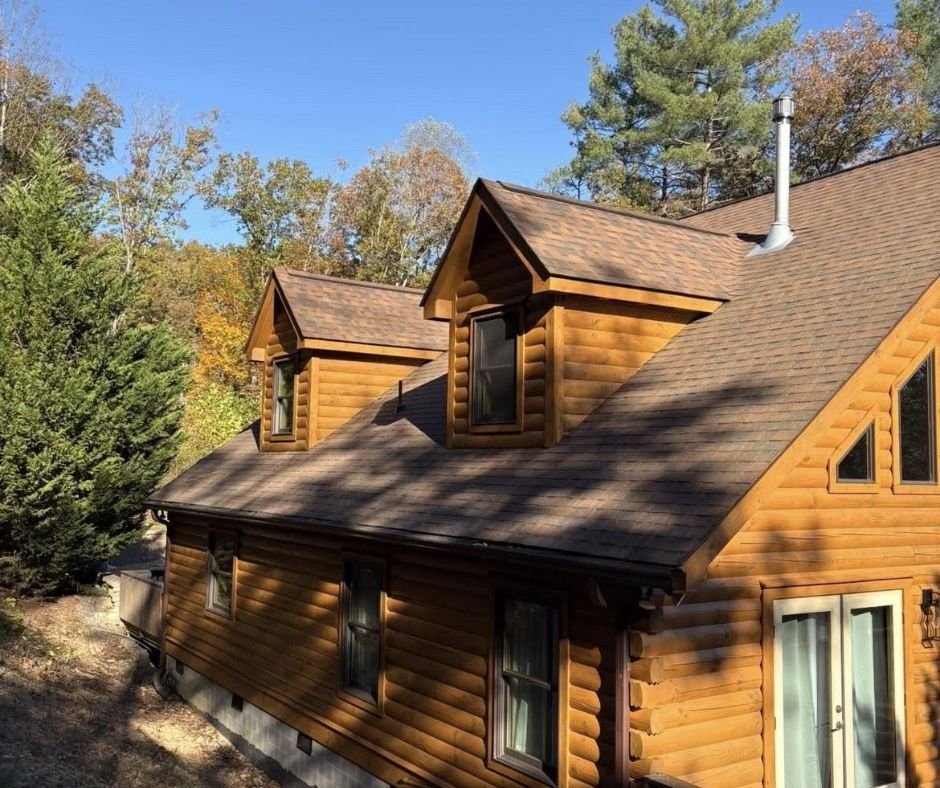
Owning a log home looks dreamy from the outside, sure. But anyone who’s lived in one knows—it’s work. Not crazy work, but steady, hands-on care. You can’t ignore it and hope things stay pretty. Somewhere after the excitement fades, people start Googling log home maintenance near me in Winchester, Virginia, trying to figure out what they missed. Truth is, most problems don’t show up overnight. They creep in. A little moisture here, a bit of sun damage there. Then suddenly… you’ve got a real issue. So yeah, better to stay ahead of it than fix a mess later.
Understanding How Weather Really Hits Your Logs
Logs take a beating. Sun, rain, wind, snow if you’ve got it—all of it chips away slowly. UV rays dry out the wood, make it fade, sometimes even crack. Water’s worse though. It seeps in, sits there, and gives rot a place to start. And once rot starts, it doesn’t politely stop. It spreads. You might not even notice until the surface feels soft or looks darker than usual. That’s already late in the game. Regular checks matter more than people think. Not detailed inspections every week, just… pay attention when you walk around your house.
Cleaning Isn’t Fancy, But It Matters
A lot of folks skip cleaning because it sounds too simple to matter. Big mistake. Dirt, pollen, mildew—they all stick to the surface and trap moisture. That’s how problems build quietly. A gentle wash once or twice a year goes a long way. Nothing aggressive. No blasting with high pressure like you’re cleaning concrete. Just a soft wash, mild cleaner, rinse it off. Done. It’s not glamorous work, I know. But it buys your home time. And time is everything with wood.
Staining and Sealing—Don’t Push It Too Long
This one’s where people procrastinate. Stain starts fading, but the house still “looks okay,” so they wait. Then they wait more. Bad move. Stain isn’t just for looks. It’s your first line of defense against moisture and UV damage. Once it weakens, your logs are exposed. You don’t always need a full restain, sometimes just a maintenance coat does the job. But ignoring it for years? That’s how you end up sanding everything down, starting from scratch, spending way more than you wanted.
Watch the Caulking and Chinking Closely
Those lines between logs—chinking, caulking, whatever you call it—they matter more than people think. They seal gaps, keep air and water out. Over time, they crack. Pull away. It happens. Temperature shifts, natural settling, all that. When gaps open up, moisture sneaks in. Bugs too, sometimes. Quick repairs here can save you a lot of hassle later. It’s one of those small things that turns into a big thing if ignored. And yeah, it’s easy to miss unless you’re actually looking for it.
Moisture Control Around the House
Water isn’t just falling from the sky. It comes from the ground too. Poor drainage, clogged gutters, short downspouts—these things quietly mess with your foundation logs. If water keeps splashing back onto the lower logs, you’re asking for trouble. Extend your downspouts. Keep gutters clean. Make sure the ground slopes away from the house, not toward it. It’s basic stuff, honestly. But a lot of homes skip this and pay for it later.
Pests… Yeah, They’re a Real Problem
Wood attracts things. Termites, carpenter ants, beetles—you name it. They don’t need an invitation. Once they’re in, getting rid of them isn’t always simple. You’ll see small holes, maybe fine dust near the base of logs. That’s a warning sign. Don’t ignore it. Regular treatment or at least inspections help. It’s not about being paranoid, just realistic. Bugs love untreated, damp wood. Keep your logs protected and dry, and you’re already ahead.
When Small Repairs Turn Into Big Jobs
Here’s the thing people don’t like hearing—sometimes maintenance isn’t enough. If damage has been ignored too long, you’re looking at repairs. Maybe replacing sections of logs. Maybe more. That’s where professionals come in. Not every issue is DIY-friendly, and forcing it can make things worse. If you’re already searching for solutions and thinking about log home restoration near me in Winchester, Virginia, chances are something needs proper attention. Better to fix it right once than patch it five times.
Don’t Ignore the Roof and Overhangs
Your roof does more than just keep rain out. The overhang protects your walls. If it’s too short, your logs take more direct exposure. If the roof’s damaged, water finds its way down the walls anyway. Keep it in good shape. Check shingles. Look for leaks. Make sure overhangs are doing their job. It’s all connected. People focus on the logs and forget what’s above them. That’s a mistake.
Conclusion
Log homes aren’t fragile, but they’re not low-maintenance either. They need attention. Not constant, not overwhelming—just consistent. Walk around your place once in a while. Notice changes. Handle the small stuff before it grows. That’s really the whole game. If you stay on top of it, your home holds up strong for years, even decades. Ignore it… well, it’ll remind you eventually, and not in a nice way.
