

Sneha had been collecting evidence for months. Same bathroom mirror, same lighting watching her part grow wider, week after week. By the time she finally visited a skin specialist in Koramangala, she’d already tried 3 shampoos, 2 hair oils, and a supplement she found on Instagram. Nothing worked. The doctor’s initial statement surprised her: “Before discussing the treatment options, we need to determine the underlying cause.”
That one sentence is the whole point of this article.
Most people in Bangalore go straight to treatments without knowing what’s actually causing their hair fall. But the best hair fall treatment in Bangalore always starts with one thing—finding the real cause. Skip that step, and you’re just guessing.
Why Is Your Hair Falling Out?
Hair fall rarely has just one cause. It’s usually a mix of things and Bangalore’s lifestyle makes that mix worse.
1. It Could Be in Your Genes
The most common reason people lose hair worldwide is simply hereditary. A hormone in your body called DHT slowly shrinks hair roots over time until they stop growing hair. Men usually notice a receding hairline or thinning at the top. Women notice their parting getting wider or their ponytail getting thinner. If your father or grandfather had it, there’s a real chance your hair is responding to the same pattern.
2. Stress and Illness Can Trigger Sudden Shedding
Had a rough few months? A high fever, surgery, or a major life disruption? You might start noticing heavy hair fall about 2 to 3 months after that event not immediately. That delay is what confuses most people.
Here’s what happens: stress pushes a large number of hair roots into a “rest” mode all at once. Then they shed together. On a normal day, most people lose around 100 hairs. During one of these episodes, that number can shoot up to 300 hairs a day.
The good news is that this type of hair loss is usually temporary. Once the trigger is gone, hair typically grows back within 3 to 6 months.
3. Your Diet or Hormones Might Be the Problem
Low iron, low Vitamin D, low B12, thyroid issues, PCOS all of these affect how your hair grows. Thyroid problems are especially tricky because hair fall often shows up first, months before you notice any other symptoms like tiredness or weight changes.
If you skip meals regularly which many working professionals in Bangalore do nutritional gaps may be quietly affecting your hair without you realizing it.
4. Scalp Problems and Lifestyle Habits
Fungal infections, dandruff, and skin conditions like psoriasis all weaken hair roots over time. Tight hairstyles and harsh chemical treatments cause breakage. And while Bangalore’s hard water does dry out hair, doctors confirm it doesn’t directly cause baldness though it does make existing problems worse.
How Doctors Actually Find the Cause—5 Simple Steps
Most people expect a quick look and a prescription. A proper diagnosis is actually a step-by-step process. Here’s precisely what happens:
Step 1: The Doctor Asks Questions First
When did it start? Is it sudden or gradual? Does it run in your family? Any recent illness, stress, or change in diet? This conversation alone often points directly at the cause. A doctor who skips this and immediately recommends treatments is someone to be cautious about.
Step 2: Your Scalp Gets Examined
The doctor looks closely at your scalp for redness, flaking, scarring, or signs that hair roots are shrinking. These clues help narrow things down before any tests are done.
Step 3: The PULL TEST
The doctor gently holds about 40 to 60 hairs and pulls with light pressure. Normally, only 2 to 3 hairs come out. If six or more come out especially with small white bulbs at the ends— it means active, significant shedding is happening right now.
Step 4: A Closer Look Using a Special Camera
A small handheld device magnifies your scalp and individual hairs. This lets the doctor see things invisible to the naked eye like shrinking roots, early scarring, or the difference between 2 types of hair loss that look similar on the surface. Some advanced clinics in Bangalore use digital scanning to count hairs and track growth patterns across your entire scalp.
Step 5: Blood Tests — The Most Important Step
This stage is where hidden causes get confirmed. A proper panel checks your thyroid levels, iron stores, Vitamin D, Vitamin B12, and hormone levels. One important tip: ask specifically for a ferritin test, not just a general iron or hemoglobin check. Ferritin measures how much iron your body has stored—and low ferritin alone can cause serious hair fall, even when everything else looks normal on paper.
If the cause is still unclear after all these tests, a tiny skin sample from the scalp can be examined under a microscope. This confirms whether the hair loss is permanent or reversible, which completely changes the treatment plan.
So What Comes Next?
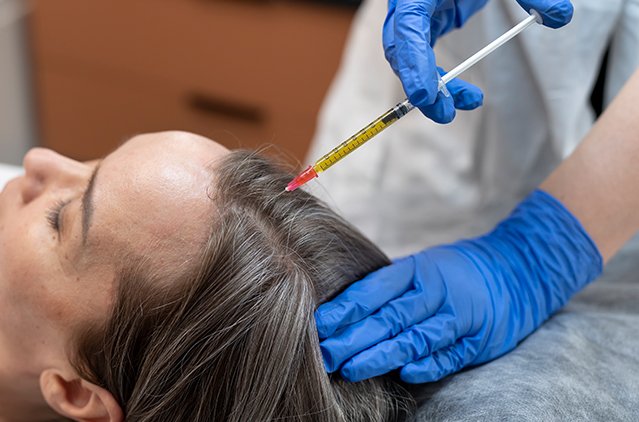
Once the cause is identified, the best hair fall treatment in Bangalore is built around that specific diagnosis. Some people need simple nutritional support. Others need medications like Minoxidil or Dutasteride. Some benefit from treatments like PRP or Exosome therapy. And for advanced hair loss, surgical options like FUE hair grafting deliver permanent results.
The best hair doctor in Bangalore will never hand you a prescription before understanding your case fully. That’s the standard worth looking for.
Final Thought
Book a proper consultation. Get your blood work done and ask for ferritin by name. Walk in with this question ready: “Why is my hair falling?”—and don’t leave without a clear answer.
That’s where real treatment begins.
