

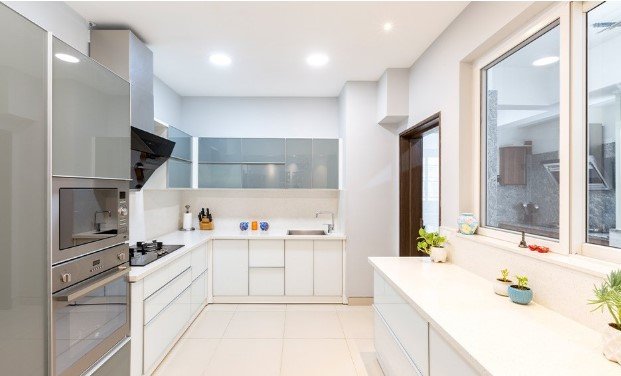
A well-designed kitchen combines aesthetics, durability, and practicality, and granite kitchen countertops are widely chosen for delivering all three qualities in a single surface. As a natural igneous stone formed under extreme heat and pressure, granite offers unique patterns, strong structural integrity, and long-lasting performance. These characteristics make it a premium material for homeowners seeking both visual appeal and functional efficiency in kitchen design.
Enhances Visual Appeal With Natural Patterns
One of the most important ways granite improves kitchen design is through its natural beauty. Each slab of granite is unique, featuring distinct mineral patterns, color variations, and organic textures. This natural variation allows homeowners to create kitchens that feel personalized and high-end. Whether used in modern minimalist kitchens or traditional designs, granite adds depth and character that engineered materials often cannot replicate. Industry sources highlight granite as a natural stone valued for its unique appearance and ability to elevate interior spaces.
Creates a Strong Focal Point in Kitchen Layouts
Granite countertops often become the visual centerpiece of a kitchen. Their polished surfaces and bold natural veining draw attention and help define the space’s overall design theme. When paired with complementary cabinetry and backsplash materials, granite can unify different design elements into a cohesive aesthetic. Designers frequently use darker granite tones for contrast in light kitchens or lighter shades to brighten compact spaces, enhancing spatial balance and visual flow.
Improves Functionality Through Durability
Beyond aesthetics, granite is valued for its exceptional strength. It is a dense natural stone that resists scratches, chips, and general wear from daily kitchen use. This makes it ideal for food preparation areas where cutting, chopping, and heavy cookware handling are common. Granite also performs well under high temperatures, allowing hot pans to be placed directly on the surface without immediate damage, although protective measures are still recommended for long-term maintenance.
Supports Long-Term Kitchen Value
Another key design advantage of granite is its contribution to property value. Kitchens are one of the most important areas in real estate valuation, and natural stone countertops are often considered a premium feature. Installing granite kitchen countertops can enhance buyer perception, making a property more attractive in competitive housing markets. Their long lifespan and timeless appearance ensure they remain relevant across changing design trends, supporting sustained value over time.
Improves Hygiene and Easy Maintenance
Another important advantage of granite kitchen countertops is their hygienic surface performance when properly sealed. Granite is naturally dense, and once sealed, it becomes highly resistant to moisture absorption, which helps reduce the risk of bacteria buildup in kitchen preparation areas. This makes it a safe and practical choice for food handling environments. Regular cleaning with mild soap and water is typically sufficient to maintain its appearance, as the surface does not easily retain stains or odors. This combination of hygiene and simple upkeep further enhances its suitability for busy modern kitchens.
Offers Versatility in Design Styles
Granite adapts well to a wide range of kitchen styles. In modern kitchens, it can be used in sleek black or grey finishes to create a clean, sophisticated look. In rustic or traditional designs, warmer tones with natural speckling add character and charm. Granite also pairs well with wood, stainless steel, and ceramic, making it a versatile choice for various interior design combinations. This adaptability allows homeowners to maintain design flexibility without compromising durability.
Conclusion
Granite continues to be a preferred choice in kitchen design because it combines natural elegance, durability, and long-term value in a single material. Granite kitchen countertops enhance interiors by introducing unique visual patterns, improving functionality through strength and heat resistance, and increasing overall property appeal. Their versatility ensures they fit seamlessly into both modern and traditional kitchen layouts. While many homeowners also explore alternatives such as marble countertops for a softer, more classic aesthetic, granite remains one of the most reliable and impactful choices for achieving a balanced and high-quality kitchen design.
