

Industrial air pollution is getting harder to ignore these days. Regulations are tighter. Communities are paying attention. And companies in the oil and gas sector are under pressure to reduce emissions without slowing operations down. That’s where companies like JATCO USA INC step in with practical systems that actually solve real problems instead of just looking good in reports.
One of the biggest environmental headaches for industrial facilities is VOC emissions. Volatile Organic Compounds are released from storage tanks, production systems, and processing units. Some are dangerous to health. Some contribute heavily to air pollution and smog. Either way, regulators don’t take them lightly anymore.
And honestly, companies can’t afford to ignore it either.
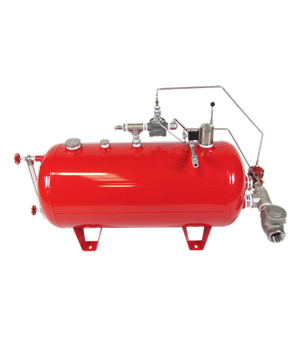
That’s why technologies like the JATCO J 7000 have become important for facilities trying to stay compliant while keeping operations efficient. The system is designed to capture and manage harmful emissions before they become a bigger issue. Simple idea. But execution matters a lot.
Why VOC Emissions Are Such a Big Problem
VOC emissions come from more places than people think. Storage tanks, loading racks, separators, wastewater systems, and even maintenance operations can release gases into the atmosphere. In oil and gas operations especially, the numbers add up fast.
The issue is not just environmental fines. VOCs can affect worker safety, nearby communities, and operational efficiency too. Some compounds are highly flammable. Others create long-term health concerns. And then there’s the public image side of things. Companies today get watched closely.
A small leak that once went unnoticed can now become a major compliance problem.
That’s why emission control systems are no longer “optional upgrades.” They’re becoming part of standard operational planning.
How JATCO USA INC Approaches VOC Control
What makes JATCO USA INC different is that the company focuses heavily on practical environmental solutions built for industrial conditions. Not theoretical setups. Real-world systems that can survive harsh field environments and continuous usage.
A lot of emission control equipment looks good on paper but struggles in demanding operating conditions. Heat, moisture, pressure fluctuations, heavy hydrocarbon loads — industrial environments are rough. Systems need to work consistently, not just during testing.
That’s where the company’s engineering approach stands out a bit.
Instead of offering generic solutions, they focus on systems designed specifically for VOC recovery and BTEX emission management. BTEX compounds — benzene, toluene, ethylbenzene, and xylene — are among the most concerning pollutants in oil and gas operations. They require serious handling.
The company’s systems are designed to reduce those emissions while helping operators maintain productivity. Because if a system constantly interrupts operations, nobody wants it around for long. That’s just reality.
The Role of the JATCO J 7000 in Emission Reduction
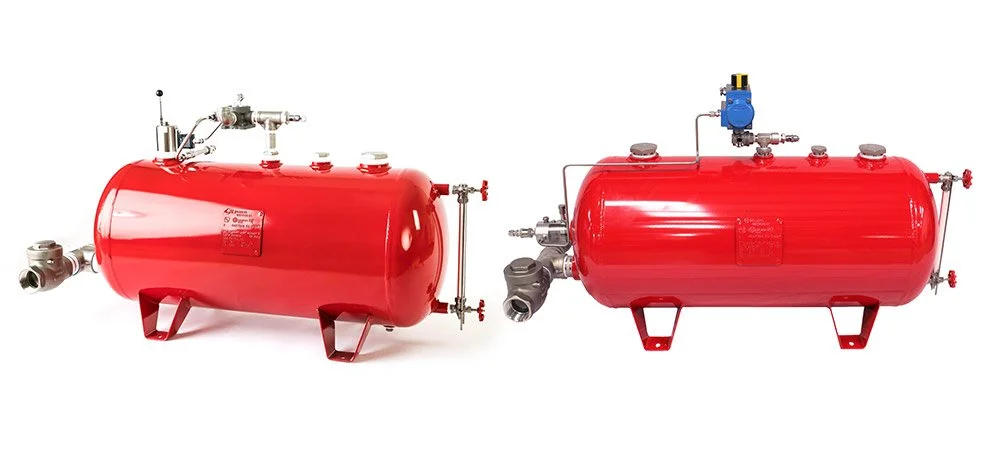
The JATCO J 7000 is one of the solutions gaining attention for VOC emission control. It’s built to manage vapor recovery efficiently while supporting cleaner operations across industrial facilities.
What operators often like about systems like this is consistency. You don’t want equipment that performs well one week and struggles the next. Industrial teams need stability because downtime gets expensive very quickly.
The JATCO J 7000 is designed to capture vapors before they escape into the atmosphere. That means facilities can reduce environmental impact while also improving compliance with air quality standards.
And honestly, avoiding penalties matters too.
Regulatory violations related to emissions can cost companies a lot more than installing proper control systems in the first place. There’s legal exposure, environmental reporting, shutdown risks, and reputation damage. None of it is cheap.
So investing in better VOC control becomes less about “extra environmental spending” and more about operational survival long term.
Better Compliance Without Slowing Operations
One thing industrial operators constantly worry about is efficiency loss. Some environmental systems sound great until they start interfering with production targets.
That’s a fast way to create resistance internally.
What companies usually want is a solution that fits into operations smoothly. Something reliable. Something manageable. That’s one reason why systems from JATCO USA INC are being looked at seriously in sectors where emission compliance is critical.
The goal isn’t just reducing VOC emissions. It’s doing it without creating new operational headaches.
Facilities dealing with storage tanks and hydrocarbon processing often face fluctuating vapor loads. Emission systems need to adapt without becoming unstable or inefficient. The engineering behind the JATCO J 7000 focuses heavily on handling those real-world conditions.
And honestly, that matters more than flashy marketing language.
Supporting Environmental Goals in Oil and Gas
The oil and gas industry gets criticized heavily for emissions. Some criticism is deserved. Some gets exaggerated. But either way, the pressure to improve environmental performance is very real now.
Investors look at ESG metrics. Regulators monitor emissions more aggressively. Communities demand cleaner operations. Everything is under more scrutiny than it was ten years ago.
Because of that, companies are actively searching for environmental technologies that deliver measurable improvements. Not vague promises.
JATCO USA INC focuses on environmental solutions for oil and gas facilities that need practical VOC management systems. Their approach helps facilities move toward cleaner operations while maintaining production efficiency.
That balance is difficult sometimes.
Cutting emissions is important, but industrial facilities still need to stay profitable. Systems that can reduce environmental impact without damaging productivity are the ones that survive long term in the market.
Why Vapor Recovery Systems Matter More Now
There’s also another side to VOC control people don’t always mention — product recovery.
When vapors escape into the atmosphere, companies lose usable hydrocarbons. That’s literally lost product. Over time, those losses become significant financially.
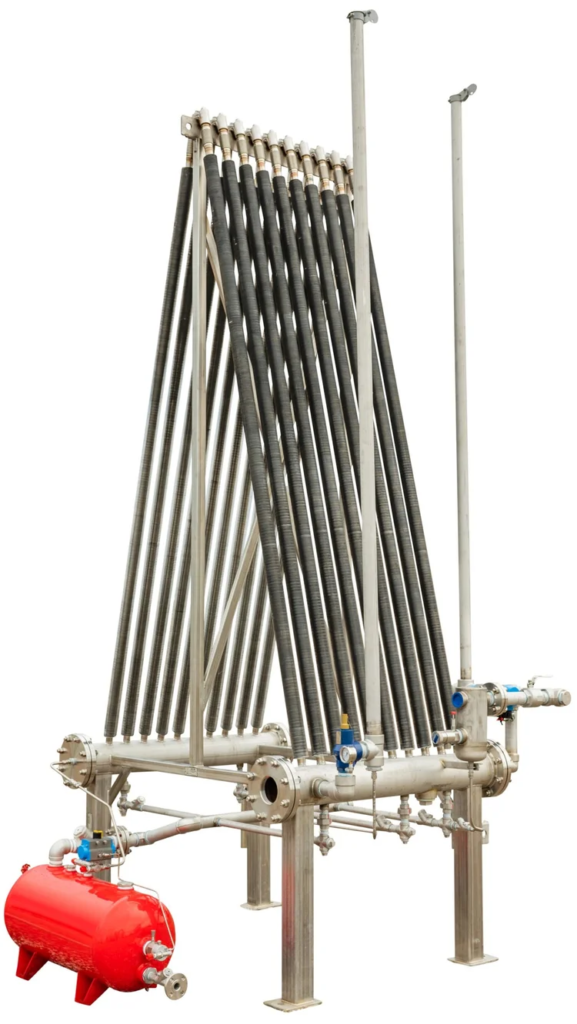
Vapor recovery systems help capture materials that would otherwise be wasted. So besides environmental benefits, there can also be economic advantages. Less waste. Better resource efficiency. Improved operational control.
The JATCO J 7000 supports that process by helping facilities recover vapors more effectively while lowering harmful emissions.
And honestly, when environmental responsibility also improves efficiency, adoption becomes much easier internally.
The Future of Industrial Emission Control
Industrial emission standards probably won’t get looser anytime soon. If anything, they’ll continue tightening. Companies that invest early in reliable emission management systems will likely avoid bigger compliance problems later.
That’s why technologies focused on VOC reduction are becoming more important across industrial sectors, especially oil and gas.
What companies need now are solutions that are realistic. Durable equipment. Efficient operation. Strong engineering support. And systems that can handle demanding field conditions without constant failures.
JATCO USA INC continues focusing on those practical environmental solutions, helping industrial operators reduce VOC emissions while supporting long-term operational goals.
At the end of the day, cleaner operations are no longer just about public image. They’re becoming part of how serious industrial businesses stay competitive and compliant moving forward.
FAQs
What does JATCO USA INC specialize in?
JATCO USA INC specializes in environmental solutions for industrial sectors, especially systems designed to reduce VOC and BTEX emissions in oil and gas operations.
What is the JATCO J 7000 used for?
The JATCO J 7000 is used for vapor recovery and VOC emission control. It helps industrial facilities capture harmful vapors before they are released into the atmosphere.
Why is VOC emission control important?
VOC emission control is important because these compounds can harm air quality, create safety risks, and lead to regulatory penalties. Reducing VOC emissions also supports cleaner industrial operations.
Can vapor recovery systems improve operational efficiency?
Yes. Vapor recovery systems can reduce product loss by capturing usable vapors that would otherwise escape into the air. That can improve both environmental performance and operational efficiency.
