

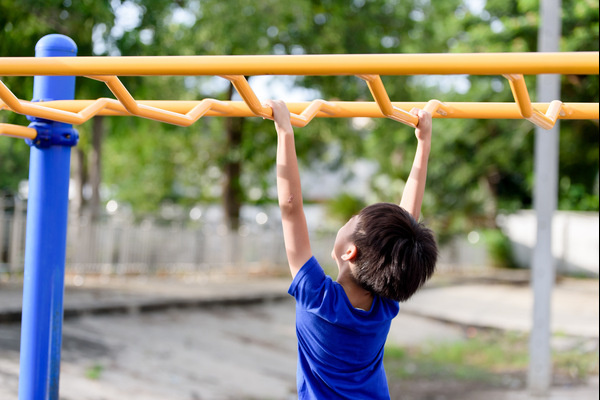
Encouraging young children to play outside sounds simple. In reality, it can feel like a slow process, sometimes even uncertain. Parents wonder when to step back and when to stay close. Independent outdoor play matters more than you sometimes realise. It builds confidence, sparks creativity, and supports physical development in ways structured activities cannot. Even something as simple as children’s monkey bars can turn an ordinary backyard into a place where children test their limits and discover their capabilities.
This article mentions the importance of independent outdoor play, its benefits, and practical ways to create a safe and supportive environment for children to grow at their own pace.
- Why Independent Outdoor Play Truly Matters
Children learn differently when they are not constantly guided. Without instructions, they begin to think, decide, and sometimes fail. That might sound uncomfortable at first. But those small struggles are where growth happens.
Outdoor spaces give children room to move freely. They climb, run, pause, and try again. Over time, they become more aware of their abilities. There is also a subtle shift in confidence. A child who figures out how to balance or climb without help carries that sense of achievement quietly, but it stays with them.
At the same time, independence does not mean absence of safety. It is more about giving children freedom within clear boundaries. That balance can take some trial and error.
- How Outdoor Play Supports Growth
- Building Thinking and Decision Skills
When children play on their own, they constantly make small decisions. Should they climb higher or stay where they are? Can they jump from that step? These choices may seem minor, yet they shape problem-solving skills.
- Growing Confidence and Resilience
There is a noticeable difference between guided success and self-achieved success. When children accomplish something on their own, the confidence feels real.
- Supporting Physical Strength and Coordination
Outdoor play improves coordination, balance, and stamina. Climbing, jumping, and running all contribute to physical development. Activities like using children’s monkey bars, for example, help strengthen muscles while improving grip and coordination.
- Setting Up a Safe Outdoor Space
- Focus on Safety Without Over-Controlling
A safe environment does not have to be complicated. Soft ground surfaces, secure play equipment, and clear open space can make a big difference. It helps children explore without unnecessary risk.
- Establish Boundaries and Simple Rules
Children benefit from knowing their limits. Clear boundaries, such as where they can play or what equipment they can use, provide structure without taking away independence.
- Choosing the Right Play Equipment
- Encourage Self-Guided Activities
Play equipment should allow children to use it without constant help. Slides, small climbing frames, and activity tables work well because they are simple and intuitive.
Children tend to return to equipment they understand and can manage independently.
- Add Variety Without Overcrowding
Too many options can overwhelm young children. A few well-chosen pieces work better than a crowded play area.
- Children’s Monkey Bars as a Valuable Addition
Adding children’s monkey bars allows kids to challenge themselves safely, improving coordination and self-confidence while playing independently. They offer enough difficulty to keep children engaged without making the task feel impossible.
- Final Thoughts
Independent outdoor play offers long-term benefits that go beyond physical activity. It shapes how children think, respond, and see themselves. Confidence grows slowly in small moments that are easy to miss.
Creating a safe and engaging outdoor space plays a key role in this process. Equipment like children’s monkey bars can support physical growth and independent exploration, giving children opportunities to challenge themselves in a controlled environment.
