

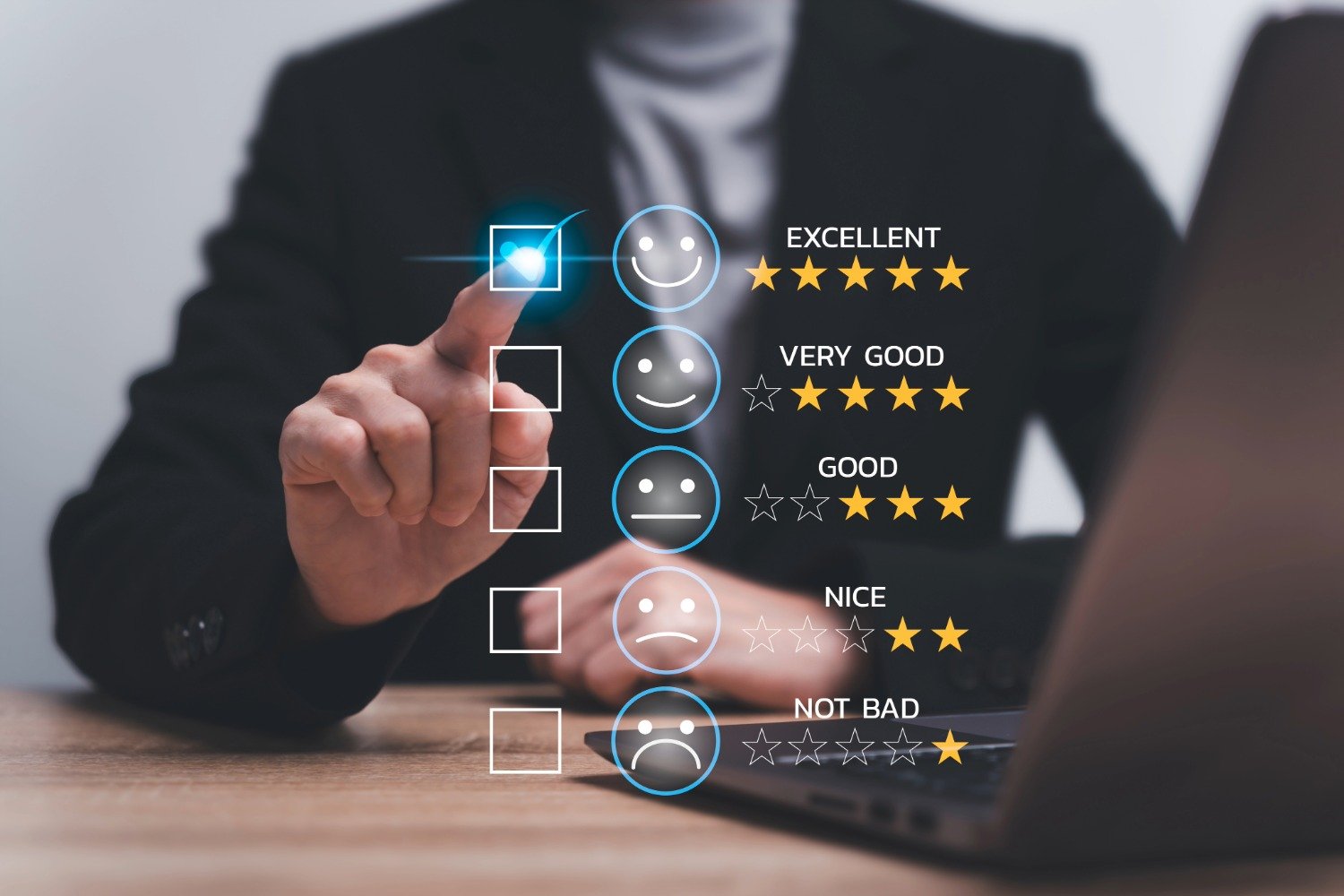
For most businesses, online reviews feel like a double-edged sword.
On one side, negative reviews feel risky, public, and permanent. On the other, having no reviews at all feels invisible and awkward. Many brands quietly assume that silence is safer than criticism. In reality, silence often does more damage than a few honest complaints ever could.
Modern buyers do not expect perfection. They expect signals of honesty, relevance, and transparency. When those signals are missing, trust erodes quickly. In many cases, it erodes faster than it would because of a handful of negative ratings.
To understand why, we need to look at how people actually think, research, and make decisions today.
Why Online Reviews Matter More Than Ever
Online reviews are no longer optional. They are a core part of how trust is formed.
Before making a decision, buyers routinely check reviews on Google, marketplaces, SaaS directories, and social platforms. This happens whether the business asks for reviews or not.
Reviews serve three critical purposes:
- They validate that a business is real
- They reduce perceived risk
- They replace word of mouth in a digital world
For many users, reviews are the final checkpoint before taking action. If reviews are missing, the decision often stops right there.
Reviews as Social Proof, Not Just Feedback
Reviews are not simply opinions. They are public proof of experience.
When a potential customer lands on your business profile, they are silently asking:
- Has anyone actually used this product or service?
- Did real people have real experiences here?
- Is this business active and operating today?
Reviews answer these questions instantly. No amount of polished website copy can replace that reassurance.
No reviews, however, leave these questions unanswered. And unanswered questions create doubt.
The Psychological Impact of Seeing No Reviews
When users encounter a business with zero or very few reviews, their brain fills in the gaps. Usually, it lands on one of these conclusions:
- The business is new or untested
- Customers were not satisfied enough to leave feedback
- Reviews are being avoided, filtered, or controlled
Even if none of these are true, perception matters more than intent.
In trust-sensitive industries such as healthcare, legal services, SaaS platforms, education, or local services, absence of proof feels more dangerous than visible imperfection.
Silence creates uncertainty. And uncertainty is one of the biggest conversion killers.
Why Imperfection Feels More Trustworthy Than Silence
Human beings do not trust perfection. They trust patterns.
A business with mixed feedback feels familiar. It mirrors real life, where experiences vary and mistakes happen. A business with no visible feedback feels incomplete and unproven.
From a buyer’s perspective:
- Negative reviews suggest honesty
- No reviews suggest risk
This is why many users scroll past businesses with zero reviews, even if everything else looks good.
What Negative Reviews Actually Communicate to Buyers
Negative reviews are often misunderstood.
While business owners see them as threats, buyers often see them as context.
In reality:
- Buyers are suspicious of businesses with only five-star ratings
- A small number of negative reviews increases perceived authenticity
- Review responses matter more than the review itself
Negative reviews communicate important signals:
- Real customers are engaging
- The business is operating at scale
- There is room for accountability and improvement
A critical review does not automatically drive customers away. A poorly handled or ignored review does.
The Role of Review Responses in Building Trust
Most buyers do not read every review. They skim patterns and responses.
When they see a negative review followed by a calm, respectful, and solution-focused response, trust often increases instead of decreasing.
Strong responses show:
- Emotional maturity
- Professionalism
- Commitment to customer experience
Weak responses, or no responses at all, signal neglect.
This is where many brands fail. They either respond emotionally, defensively, or not at all.
Negative Reviews vs No Reviews: A Side-by-Side Reality Check
Let’s compare both scenarios clearly.
Businesses with Negative Reviews
- Appear real and active
- Show customer engagement
- Allow response and context
- Still rank and convert when managed well
Businesses with No Reviews
- Appear untested or inactive
- Create uncertainty
- Offer no social proof
- Struggle with trust and visibility
Across industries, businesses with some negative reviews consistently outperform businesses with no reviews when it comes to trust and conversions.
Why Review Velocity Matters More Than Star Rating
Many businesses obsess over star ratings. Buyers rarely do.
What buyers notice more is recent activity.
A business with:
- 4.3 stars
- 150 recent reviews
- Consistent responses
often feels safer than a business with:
- 5.0 stars
- 5 total reviews
- No visible engagement
Review velocity signals that:
- Customers are actively using the business
- Feedback is ongoing
- The business is not stagnant
Search engines and users both interpret activity as relevance.
No reviews mean no activity signals.
SEO and Visibility Implications of No Reviews
From a search perspective, reviews influence more than reputation.
They affect:
- Local rankings
- Click-through rates
- Engagement signals
Businesses with no reviews often struggle to appear competitive in local and branded searches. Even when they rank, users are less likely to click.
Negative reviews do not automatically harm SEO. Ignored profiles do.
When Negative Reviews Become Genuinely Harmful
Negative reviews can hurt trust when specific patterns appear.
These include:
- Repeated complaints about the same issue
- No responses over long periods
- Reviews highlighting safety or ethical concerns
- Aggressive or dismissive responses
The problem is not criticism. The problem is lack of management.
Unaddressed feedback suggests deeper operational issues.
Why Businesses Avoid Reviews in the First Place
Most businesses do not avoid reviews intentionally. They avoid them out of fear or confusion.
Common reasons include:
- Fear of public criticism
- Lack of internal response processes
- Uncertainty about how to ask for reviews
- No ownership of reputation management
Unfortunately, avoidance creates a bigger problem.
The Hidden Cost of Avoiding Reviews
When businesses avoid reviews, they experience:
- Lower trust signals
- Reduced visibility
- Missed customer insights
- Slower growth
Feedback is not just public perception. It is operational intelligence.
Businesses that avoid reviews lose both.
Trust Is Built Through Transparency, Not Perfection
Customers do not expect flawless experiences. They expect honesty and responsibility.
A review profile with:
- Mixed opinions
- Real responses
- Ongoing engagement
Feels safer than a silent profile with no proof of experience.
Modern reputation management is not about deleting negativity. It is about owning the narrative.
What High-Trust Businesses Do Differently
Businesses that build strong reputations follow consistent practices:
- They actively request reviews at the right moments
- They monitor sentiment trends over time
- They respond calmly and professionally
- They use feedback to improve processes
They understand that reviews are not a threat. They are leveraged.
Where AI and ORM Tools Fit In
As review volume grows, manual management becomes difficult.
This is where structured ORM systems and AI-assisted tools help by:
- Monitoring sentiment patterns
- Flagging urgent issues
- Supporting consistent response workflows
The goal is not automation for the sake of speed. The goal is consistency and clarity at scale.
Final Answer: Which Hurts Trust More?
No reviews hurt trust more than negative reviews.
Silence creates doubt. Honest imperfection builds credibility.
The real risk is not criticism. The real risk is being invisible.
Closing Perspective
If your business is not part of the review conversation, customers will assume that conversation does not exist.
And in a trust-driven economy, absence speaks louder than criticism ever could.
