

A successful construction or property development project always begins with proper planning. One of the most important documents in this process is a site plan. Whether you are building a house, renovating a property, or applying for municipal approval, understanding site plans is essential.
In this detailed guide, we will explain what a site plan is, how it differs from a plot plan, why it is required for permits, and how you can get a site plan easily for your project.
What is a Site Plan?
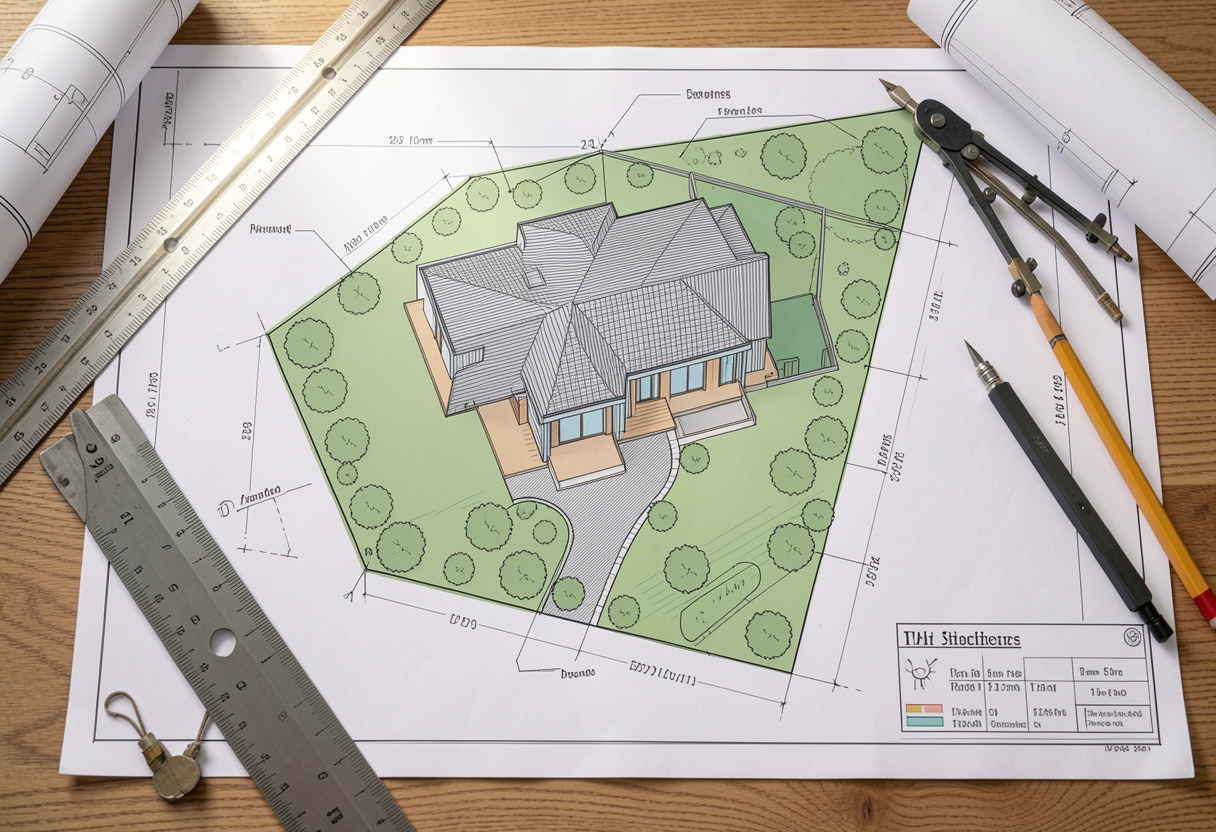
A site plan is a detailed architectural drawing that shows the layout of a property. It illustrates how a building or structure sits on a piece of land and includes surrounding features.
A typical site plan includes:
- Property boundaries and dimensions
- Location of existing and proposed buildings
- Setbacks from roads and neighbors
- Driveways, walkways, and parking areas
- Landscaping and open spaces
- Utility connections (water, electricity, drainage)
In simple words, a site plan is a visual map of your property development layout. It helps architects, engineers, and authorities understand how a project will be constructed on the land.
Site Plan vs Plot Plan: Key Differences
Many people confuse site plan vs plot plan, but they are not exactly the same. While both documents are related, their purpose and level of detail differ.
1. Site Plan
- More detailed and technical
- Includes buildings, landscaping, utilities, and infrastructure
- Used for construction approvals and permits
- Created by architects or surveyors
2. Plot Plan
- Simpler drawing of land boundaries
- Focuses mainly on land division and location
- Less detailed than a site plan
- Often used in real estate transactions or early planning
Key Difference
A plot plan shows what land you have, while a site plan shows how you will use that land for development.
Understanding this difference is important because authorities usually require a full site plan for permits, not just a basic plot plan.
Why Site Plans Are Important for Permits
If you are planning any construction project, you will likely need approval from local authorities. A site plan for permits is a mandatory requirement in most regions.
Here’s why site plans are so important:
1. Legal Approval
Government departments use site plans to verify that your project follows zoning laws and building codes.
2. Safety Compliance
Site plans ensure your building is safe and properly positioned, considering fire safety, drainage, and access routes.
3. Proper Land Use
Authorities check if your construction respects land boundaries, setbacks, and environmental rules.
4. Avoiding Legal Issues
Without a proper site plan, you may face construction delays, fines, or even project rejection.
5. Smooth Construction Process
A clear site plan helps contractors and builders execute the project without confusion or errors.
In short, no matter how small or large your project is, a site plan is the foundation of legal and organized construction.
How to Get a Site Plan Easily
If you are wondering how to get a site plan, the process is more structured than many people think. Here are the common steps involved:
Step 1: Land Survey
A professional land surveyor visits your property and measures boundaries, elevations, and existing structures.
Step 2: Collect Property Documents
You will need legal documents such as:
- Property deed
- Land registry papers
- Tax records
- Previous layout maps (if available)
Step 3: Design Preparation
An architect or planning expert creates a detailed site plan using CAD software or manual drafting methods.
Step 4: Review and Adjustments
You review the plan and request changes if needed (for example, adjusting building placement or driveway access).
Step 5: Approval Submission
The final site plan is submitted to local municipal or planning authorities for permit approval.
Step 6: Final Approved Plan
Once approved, this document becomes the official reference for construction.
💡 Pro Tip: Today, many online services also help you get a site plan quickly without visiting multiple offices.
Key Components of a Professional Site Plan
A high-quality site plan includes more than just a building outline. It provides a complete view of the property layout.
Here are the essential components:
1. Property Boundaries
Clearly marked edges of the land with measurements.
2. Building Footprint
Exact position and size of existing or proposed structures.
3. Setback Lines
Distance between buildings and property boundaries as required by law.
4. Access Points
Driveways, roads, entry gates, and pathways.
5. Utility Layout
Water supply, sewerage, electricity lines, and drainage systems.
6. Landscaping Details
Gardens, trees, green spaces, and outdoor design elements.
Each of these elements ensures that your construction plan is practical, legal, and efficient.
Common Mistakes to Avoid in Site Plans
Even small errors in a site plan can cause big problems during construction approval or execution. Here are common mistakes to avoid:
1. Incorrect Measurements
Even minor measurement errors can lead to rejection or redesign.
2. Ignoring Local Regulations
Every area has different building codes and zoning laws.
3. Missing Utility Information
Incomplete utility planning can delay construction work.
4. Overcrowding the Land
Trying to maximize space without leaving proper setbacks is a common issue.
5. Using Outdated Maps
Always use updated land surveys and property records.
Avoiding these mistakes ensures a smooth approval and construction process.
Final Thoughts
A site plan is not just a technical drawing—it is the foundation of every successful construction or property development project. Whether you are a homeowner, builder, or investor, understanding your site plan ensures better planning, legal safety, and efficient use of land.
Knowing the difference between a site plan vs plot plan, understanding site plans for permits, and learning how to get a site plan will help you move your project forward without delays or complications.
If you are starting a new project, always prioritize a professionally prepared site plan—it saves time, money, and future problems.
