

In the rapidly changing world of agriculture, embracing cutting-edge technology has become a necessity rather than just a luxury. Drones, especially in farming, are transforming how we cultivate crops, making our processes more efficient and cost-effective. But the real magic happens with the precision-engineered agriculture drone parts that enable these flying machines to tackle a variety of tasks with unmatched accuracy.
The Role of Agriculture Drone Parts
Agriculture drones aren’t just ordinary flying devices; they’re sophisticated UAVs (Unmanned Aerial Vehicles) outfitted with advanced components that support a wide range of agricultural applications. Whether it’s monitoring crops or spraying pesticides, each part of the drone plays a crucial role in its performance.
Key Components of Agriculture Drones
To appreciate what agriculture drones can do, it helps to understand their key components and the technological advancements that have made them so effective:
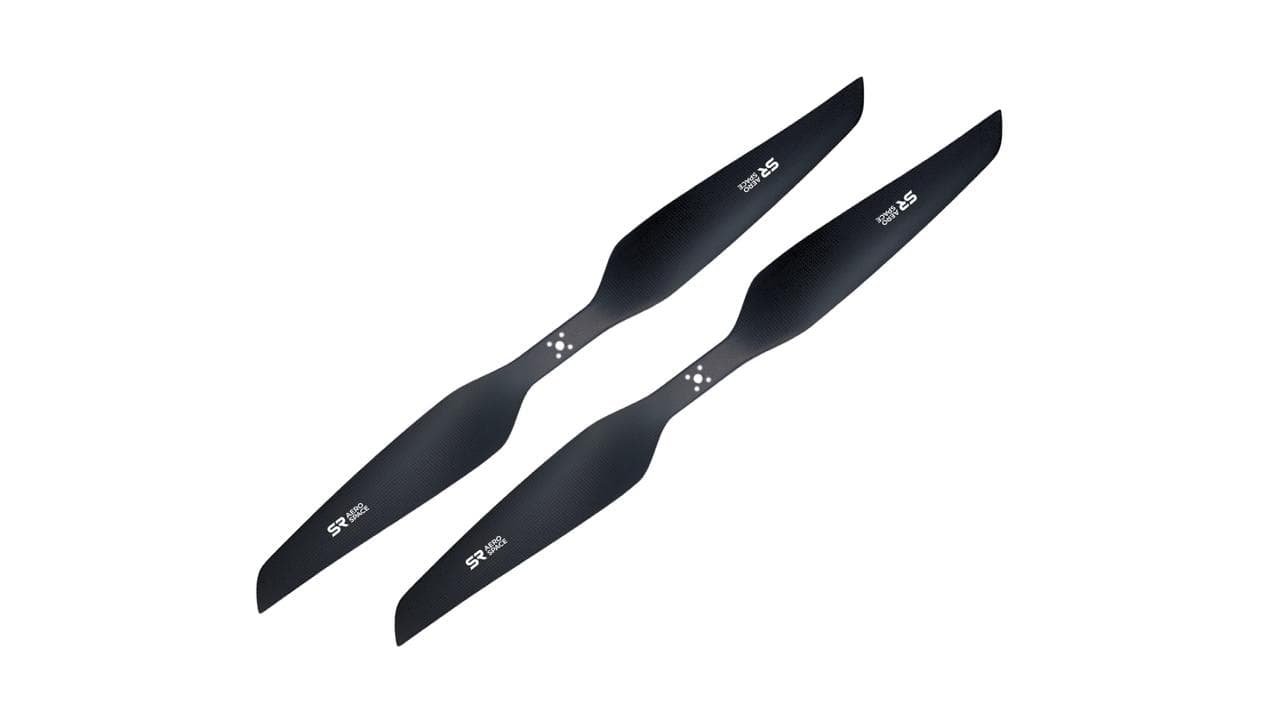
1. Propulsion System: This includes motors and propellers that keep the drone stable in flight. The precision of these components is vital for maintaining balance and maneuverability, especially when weather conditions change.
2. Navigation and Control Systems: Drones are equipped with GPS, gyroscopes, and accelerometers, enabling precise navigation and the execution of pre-programmed flight paths.
3. Sensors and Cameras: These tools are essential for gathering data. High-resolution cameras and advanced multispectral sensors capture detailed images of crops, allowing farmers to assess health and yield effectively.
4. Power Supply: Thanks to advancements in battery technology, drones can enjoy longer flight times, which is crucial for covering expansive agricultural fields.
5. Payload Mechanism: This includes the systems used to carry and dispense materials like fertilizers and pesticides efficiently across the fields.
Advancements in UAV Technology
The agricultural sector has experienced significant leaps in UAV technology, driven by the need for greater productivity and sustainability. Here are some of the key advancements:
– Automation and AI Integration: Today’s drones come with AI algorithms that allow for real-time data processing and decision-making, which significantly boosts the precision of agricultural tasks.
– Enhanced Battery Life: Innovations in battery technology have resulted in longer flight times, enabling drones to cover more ground with ease.
– Improved Sensor Technology: The development of advanced sensors capable of detecting even the slightest changes in crop health has been transformative for farmers looking to optimize their yield.
Custom Manufacturing in Aerospace
As the demand for tailored solutions in drone manufacturing grows, so does the trend toward custom manufacturing in the aerospace industry. Businesses now need components that are not only reliable but also customizable to fit specific agricultural requirements. Precision-engineered parts are designed to enhance performance, ensuring that each drone is ready to tackle the unique challenges of the field.
Safety and Performance Standards
When it comes to drone operations in agriculture, safety and performance aren’t just important; they’re essential. Following strict safety guidelines and performance standards is crucial for minimizing risks and maximizing efficiency. The components found in agriculture drones must undergo rigorous quality checks to ensure they remain resilient and reliable under various operating conditions.
The Make in India Initiative
The Make in India initiative has been instrumental in fostering innovation and manufacturing in the aerospace sector. By promoting domestic production of advanced UAV components, this initiative has not only boosted local economies but also made cutting-edge technology more accessible to the agricultural sector.
The Future of Agriculture with Drones
The integration of drones into agriculture is merely the beginning. With ongoing advancements in technology and manufacturing, the potential for drones to reshape farming practices is substantial. Here are a few trends to keep an eye on:
– Precision Agriculture: The use of drones in precision agriculture is set to grow, allowing for more targeted interventions and efficient resource management.
– Sustainability: Drones provide an eco-friendly approach to managing resources, reducing waste, and promoting sustainable farming practices.
– Data-Driven Decisions: As drones evolve, the data they collect will increasingly influence agricultural policies and practices.
By gaining a deeper understanding of agriculture drone parts and their applications, businesses can make more informed decisions that align with their operational goals and sustainability ambitions. As technology and manufacturing continue to advance, the future of agriculture appears bright, with drones at the forefront of innovation and efficiency.
In conclusion, the significance of agriculture drone parts goes beyond mere functionality. They form the backbone of a technological revolution poised to redefine farming practices around the globe. For businesses and commercial operations eager to stay ahead, embracing these advancements and leveraging precision-engineered UAV components will be key to success in the agricultural landscape.
For more information on precision-engineered UAV components, visit SR Aerosolutions.
