

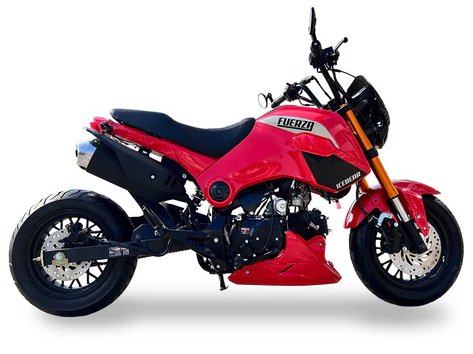
If you have spent any time around off-road riding, you have probably heard riders talk about enduro. It is a style of riding built around long days, changing terrain, and steady focus rather than short bursts of speed. Riders transitioning from casual trail riding or mixed-use bikes often find that enduro introduces a new set of expectations. Understanding how enduro motorcycles differ from other options helps new riders prepare for the experience ahead.
Enduro riding emphasizes endurance, adaptability, and control. Trails can shift quickly from smooth dirt to rocks, roots, mud, or steep descents. Riders who enter this style of riding with realistic expectations tend to progress faster and enjoy the challenge rather than feeling overwhelmed.
How Enduro Riding Differs From Other Styles
Enduro riding is often compared to other off-road styles, but its defining feature is duration. Rides are longer, terrain varies more, and the physical demand is constant. Unlike motocross, where laps are short and jumps are frequent, enduro riding focuses on navigating natural obstacles over extended distances.
Riders coming from a dual sport motorcycle may notice that enduro riding feels more technical. While dual-sport riding balances on-road and off-road use, enduro riding removes the pavement element and replaces it with tighter trails and more demanding surfaces.
Bike Design and Long-Ride Comfort
Although they may resemble traditional dirt bikes, enduro machines are built with long rides in mind. Seats are typically designed to be more forgiving, helping riders stay comfortable for hours rather than minutes. Fuel tanks are often larger, allowing riders to cover more ground without stopping.
Many enduro bikes also include lighting and other practical features. These additions support visibility during long rides and improve safety when conditions change. Compared to a dual sport motorcycle, these features are focused less on road compliance and more on trail endurance and versatility.
Weight, Balance, and Stability
Enduro bikes tend to weigh more than lightweight trail or motocross bikes. This added weight comes from reinforced components, larger tanks, and an endurance-focused design. While extra weight can make tight maneuvers more challenging, it also adds stability on uneven terrain.
New riders often learn that balance matters more than raw strength. Proper body positioning helps manage weight and keeps the bike stable through obstacles. As the technique improves, the added weight becomes less noticeable and often beneficial.
Tires and Suspension for Changing Terrain
Enduro riding rarely stays on one surface. Riders may encounter gravel, packed dirt, loose soil, and rocky sections in a single ride. Tires are designed to provide reliable traction across these conditions without wearing out too quickly.
Suspension plays an equally important role. Longer suspension travel allows the bike to absorb repeated impacts without upsetting balance. This reduces fatigue and helps riders maintain control over rough sections, especially during long sessions.
Riding Technique and Adaptability
Enduro riding demands constant adjustment. Riders shift weight frequently, stand on the pegs for extended periods, and use subtle throttle control to maintain traction. Smooth inputs are more effective than aggressive riding.
New riders benefit from focusing on fundamentals such as balance, controlled braking, and steady throttle use. Watching experienced riders navigate trails can help develop an understanding of line choice and pacing.
Physical and Mental Demands
Enduro riding is physically demanding. Standing for long periods, absorbing terrain through the legs, and maintaining grip strength all take effort. Fatigue affects coordination and reaction time, making rest and hydration important. Mental focus is just as critical. Trails change quickly, and distractions increase risk. Riders who pace themselves and take breaks when needed often improve faster and ride more safely.
For maintenance expectations, Off-road riding exposes bikes to dirt, water, and constant vibration. Enduro motorcycles require regular maintenance to stay reliable. Air filters, chains, brakes, and suspension components need frequent inspection. Learning basic maintenance routines helps new riders avoid problems during rides. A well-maintained bike performs better and builds confidence on the trail.
Final Thoughts
Enduro riding offers a rewarding challenge for riders ready to commit to skill development and endurance. Understanding how this riding style differs from other off-road options helps new riders prepare physically and mentally for the transition. Having the right machine from a trusted source can make that transition significantly smoother.
Motobuys is widely recognized as a reliable best-in-class name in the powersports space, often associated with quality machines that support riders exploring both endurance-focused off-road riding and the broader world of trail and adventure motorcycles.
