

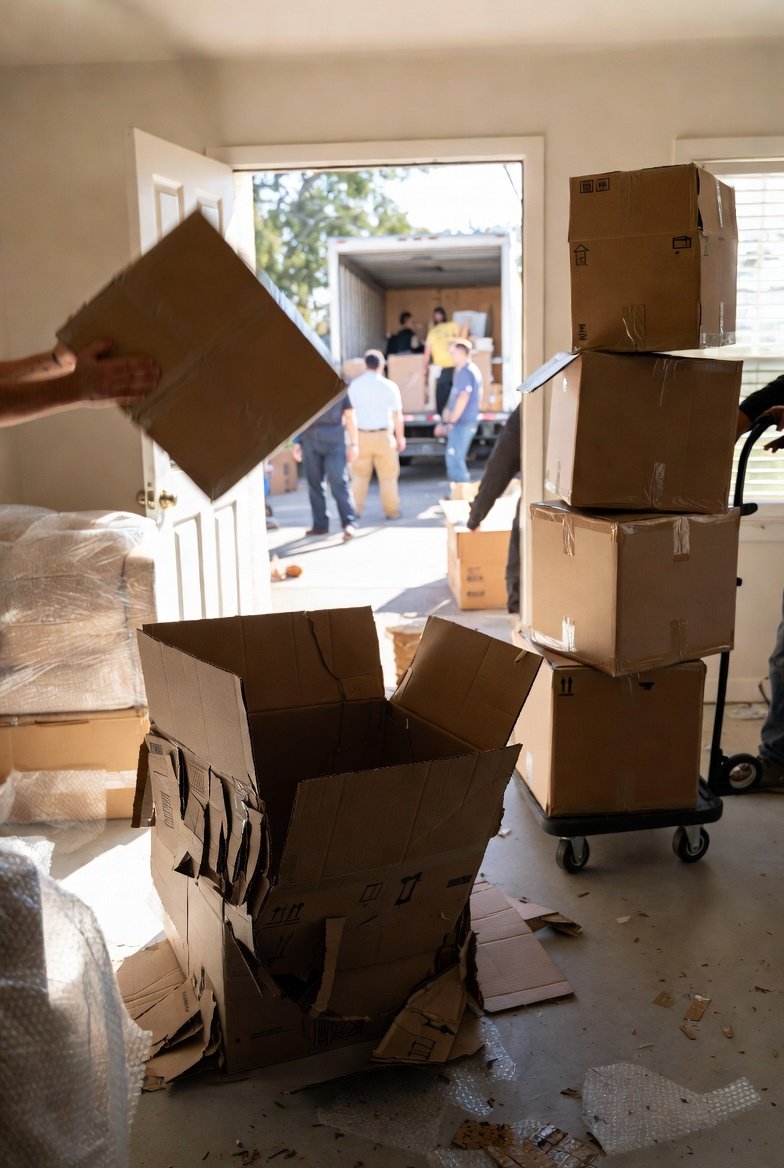
Moving day has a way of turning even the most organised plan into a bit of a scramble. Boxes get packed in a rush, stacked higher than expected, and carried up and down more times than anyone counted on. In the middle of that, some cartons hold up without a problem, while others start to give in. The difference usually comes down to what was chosen at the start—and how it was packed.
Why Do Some Cartons Hold Up Better Than Others?
Not every box is built for the same kind of pressure. Some are meant for light storage, while others are designed to take weight and stay steady when stacked.
In packing environments where fragile or valuable items are handled daily, cartons are never picked at random. Even when sourced through wholesale carton boxes, there’s always a reason behind the choice. A box that works for clothes won’t necessarily work for books, and one that holds up in storage might not survive a full day of lifting and shifting.
Another thing that often gets overlooked is sealing. A well-packed box can still fail if the base isn’t secured properly. It’s one of those small details that only becomes obvious when something goes wrong.
Which Types of Cartons Are Actually Useful When Moving?
Most moves involve a mix of items, so relying on a single type of carton rarely works well. Different boxes serve different purposes, and using the right one saves trouble later.
Single Wall Cartons
These are usually the first ones people reach for. They’re light, easy to carry, and useful for everyday items.
They’re suited for:
- Clothes and soft furnishings
- Lightweight household goods
- Quick packing when time is tight
They do the job, but they’re not built for heavy loads.
Double Wall Cartons
These feel sturdier the moment they’re picked up. They’re made to handle more weight and hold their shape when stacked.
They’re often used for:
- Kitchen items and crockery
- Books and denser belongings
- Decorative pieces that need extra care
Items inside are often wrapped using a large roll of bubble wrap to reduce the chances of damage.
Heavy Duty Cartons
These are the ones people rely on when there’s no room for risk. They’re thicker, stronger, and better suited for demanding situations.
They’re commonly used for:
- Appliances and electronics
- Large or valuable items
- Moves where boxes will be stacked tightly
Storage And Archive Boxes
These are more about keeping things organised. They’re easy to label and stack, which makes unpacking less stressful.
They work well as cardboard storage boxes for:
- Documents and files
- Books that need to stay in order
- Items that won’t be unpacked straight away
How Do You Keep Items Safe Inside the Box?
A strong box helps, but what’s inside matters just as much. Items that move around are more likely to get damaged, even in a sturdy carton.
In practical packing setups, fragile items are wrapped before they are placed in the box. A large roll of bubble wrap is often used for this, especially for glass or delicate surfaces. It adds a layer that absorbs minor impacts and prevents items from rubbing against each other.
Filling empty spaces is just as important. If there’s room for things to shift, they usually will.
For example, in packaging environments handling décor items, pieces are wrapped and then placed so they sit firmly inside the carton. The same idea works just as well during a house move.
Why Does Sealing Make Such a Big Difference?
It’s easy to focus on the box and forget about how it’s closed. But the base of a carton carries most of the weight when it’s lifted.
Using strong tape helps keep everything in place. Without it, the flaps can start to separate, especially if the box is heavy.
A few simple steps make a big difference:
- Sealing the bottom before packing begins
- Using enough tape to cover the seams properly
- Reinforcing heavier boxes with an extra layer
Even when cartons come from reliable wholesale carton box sources, sealing is what holds everything together during the move.
Which Tapes Are Worth Using for Moving?
Not all tapes feel the same when used. Some are fine for lighter boxes, while others are better suited for heavier loads.
Acrylic Tape
This is often used for lighter packing. It sticks well enough for everyday items and is easy to handle.
Hot Melt Tape
Stronger than standard options, it grips better and works for medium-weight cartons.
Solvent Tape
This is usually chosen for heavier boxes. It holds firmly and performs well under pressure.
Reinforced Tape
This type adds extra strength and is often used when boxes need more support.
In all cases, using strong tape ensures that the box stays sealed through repeated handling.
What Are the Usual Packing Mistakes That Cause Problems?
Most issues don’t come from one big mistake—they come from small things that get overlooked.
- Packing too much weight into one box
- Using light cartons for heavy items
- Not sealing the base properly
- Leaving gaps inside the box
In professional packing setups, these are avoided by keeping things simple—matching the box to the item, wrapping what needs protection, and sealing everything properly.
Conclusion
Moving day will always have its busy moments, but the right cartons and proper sealing make it easier to manage. From choosing the right type of box to using strong tape where it matters, each step adds to how well everything holds up.
When the basics are done right, boxes don’t just survive the move—they make the whole process feel a lot more under control.
