

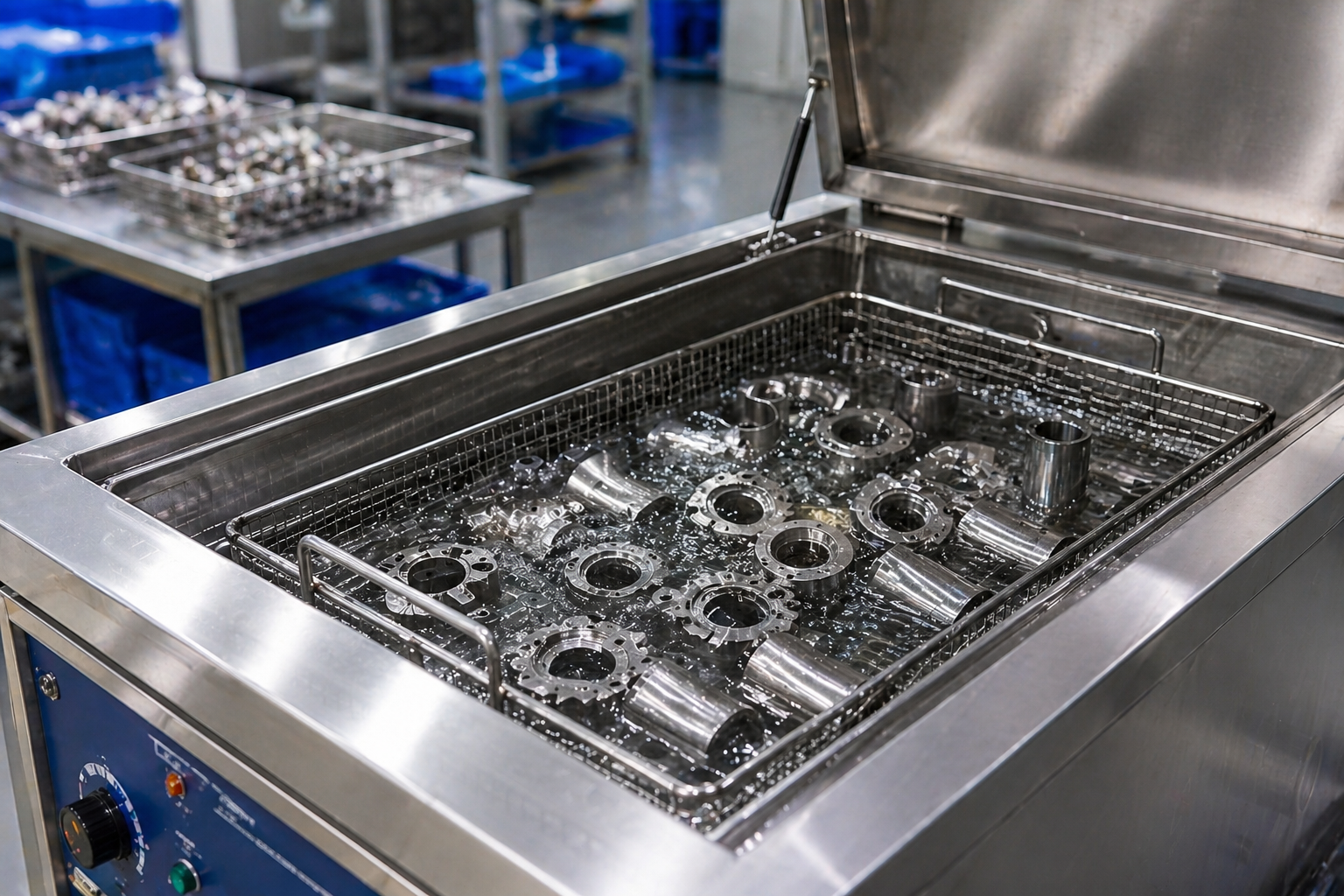
In today’s fast-paced industrial environment, maintaining cleanliness and precision is no longer optional, it is a necessity. From manufacturing units to healthcare and electronics industries, the demand for advanced cleaning solutions has grown significantly. Traditional cleaning methods often fail to remove microscopic contaminants, leading to compromised product quality and reduced efficiency. This is where an Ultrasonic Cleaning Machine emerges as a game-changing solution, offering unmatched precision, speed, and reliability.
Ultrasonic cleaning technology uses high-frequency sound waves to create microscopic bubbles in a liquid solution. These bubbles implode with force, effectively removing dirt, grease, oil, and other contaminants from even the most complex surfaces. This process, known as cavitation, ensures thorough cleaning without causing any damage to delicate components. As industries continue to evolve, the adoption of ultrasonic technology has become essential for maintaining high standards of quality and hygiene.
Understanding the Working of Ultrasonic Cleaning Machines
An Ultrasonic Cleaning Machine operates by generating ultrasonic waves through a transducer placed inside the cleaning tank. These waves create millions of tiny bubbles that penetrate deep into crevices and hard-to-reach areas. When these bubbles collapse, they release energy that dislodges contaminants from the surface of the object being cleaned.
This process is highly effective for cleaning intricate parts such as circuit boards, surgical instruments, automotive components, and jewelry. Unlike manual cleaning, which can be inconsistent and time-consuming, ultrasonic cleaning ensures uniform results every time. It eliminates the need for harsh chemicals and reduces human intervention, making it a safer and more efficient alternative.
Applications Across Multiple Industries
The versatility of ultrasonic cleaning technology makes it suitable for a wide range of industries. In the jewelry sector, an Ultrasonic Jewelry Cleaner is widely used to restore the shine and brilliance of precious items. It gently removes dirt and residues from delicate pieces without causing scratches or damage.
In the electronics industry, precision is critical. An Electronic Cleaning Machine powered by ultrasonic technology ensures that sensitive components are cleaned without affecting their functionality. This is especially important for printed circuit boards and microchips, where even the smallest impurity can lead to malfunction.
Manufacturing industries rely heavily on advanced systems such as a Fully Automatic Ultrasonic Cleaning Plant. These systems are designed for large-scale operations, offering automated cleaning cycles, temperature control, and consistent performance. They help improve productivity while maintaining high cleaning standards.
Advantages of Using Ultrasonic Cleaning Technology
One of the most significant benefits of using an Ultrasonic Cleaning Machine is its ability to provide deep cleaning without physical contact. This reduces the risk of damage, making it ideal for fragile and precision components. The technology also saves time, as multiple items can be cleaned simultaneously in a single cycle.
Another key advantage is its eco-friendly nature. Ultrasonic cleaning requires less water and fewer chemicals compared to traditional methods. This not only reduces operational costs but also minimizes environmental impact. Additionally, the process is highly efficient, ensuring that even the smallest contaminants are removed effectively.
Industries looking to improve their operational efficiency often choose to Buy Industrial Ultrasonic Cleaner systems for their facilities. These machines offer long-term value by enhancing productivity, reducing labor costs, and ensuring consistent quality.
Why Precision Cleaning Matters in Modern Industries
Precision cleaning plays a crucial role in ensuring the performance and longevity of industrial components. In sectors such as aerospace, medical, and electronics, even the slightest contamination can lead to serious consequences. Ultrasonic cleaning technology addresses this challenge by delivering a level of cleanliness that is difficult to achieve with conventional methods.
For example, in the medical field, surgical instruments must be completely free from contaminants to prevent infections. Ultrasonic cleaning ensures thorough sterilization, enhancing patient safety. Similarly, in the automotive industry, clean components contribute to better performance and reduced wear and tear.
Choosing the Right Ultrasonic Cleaning Solution
Selecting the right Ultrasonic Cleaning Machine depends on several factors, including the type of items to be cleaned, the level of contamination, and the required cleaning capacity. Small-scale applications may benefit from compact units, while large industries often require fully automated systems for continuous operation.
It is important to consider features such as frequency range, tank size, temperature control, and automation capabilities. Investing in a high-quality system ensures better performance, durability, and return on investment. Businesses should also look for reliable suppliers who offer after-sales support and technical assistance.
Future of Ultrasonic Cleaning Technology
As industries continue to advance, the demand for efficient and sustainable cleaning solutions is expected to grow. Ultrasonic cleaning technology is constantly evolving, with innovations aimed at improving efficiency, reducing energy consumption, and enhancing user convenience. The integration of smart technologies and automation is likely to further expand its applications in the coming years.
The increasing focus on quality control and environmental sustainability will continue to drive the adoption of ultrasonic cleaning systems. Businesses that invest in this technology today are better positioned to meet future challenges and maintain a competitive edge.
Frequently Asked Questions (FAQs)
1. What is an Ultrasonic Cleaning Machine used for?
An Ultrasonic Cleaning Machine is used to remove dirt, grease, and contaminants from various objects using high-frequency sound waves. It is widely used in industries such as electronics, healthcare, automotive, and jewelry.
2. Is ultrasonic cleaning safe for delicate items?
Yes, ultrasonic cleaning is safe for delicate items as it does not involve physical scrubbing. It gently cleans surfaces without causing damage, making it ideal for precision components and jewelry.
3. How does an Ultrasonic Jewelry Cleaner work?
An Ultrasonic Jewelry Cleaner uses sound waves to create tiny bubbles that remove dirt and residues from jewelry. It restores shine and cleanliness without harming the material.
4. Why should businesses buy industrial ultrasonic cleaner systems?
Businesses should buy industrial ultrasonic cleaner systems to improve cleaning efficiency, reduce labor costs, and achieve consistent results. These machines are highly reliable and suitable for large-scale operations.
5. What industries benefit the most from ultrasonic cleaning technology?
Industries such as electronics, healthcare, automotive, aerospace, and manufacturing benefit significantly from ultrasonic cleaning due to its precision and effectiveness.
Contact Us
If you are looking to enhance your cleaning processes with advanced ultrasonic technology, now is the perfect time to explore the right solution for your needs. Whether you need an Ultrasonic Cleaning Machine for small-scale applications or a Fully Automatic Ultrasonic Cleaning Plant for industrial use, expert guidance can help you make the best decision. Contact us today to learn more about our range of solutions, get personalized recommendations, and discover how ultrasonic cleaning can transform your operations.
