

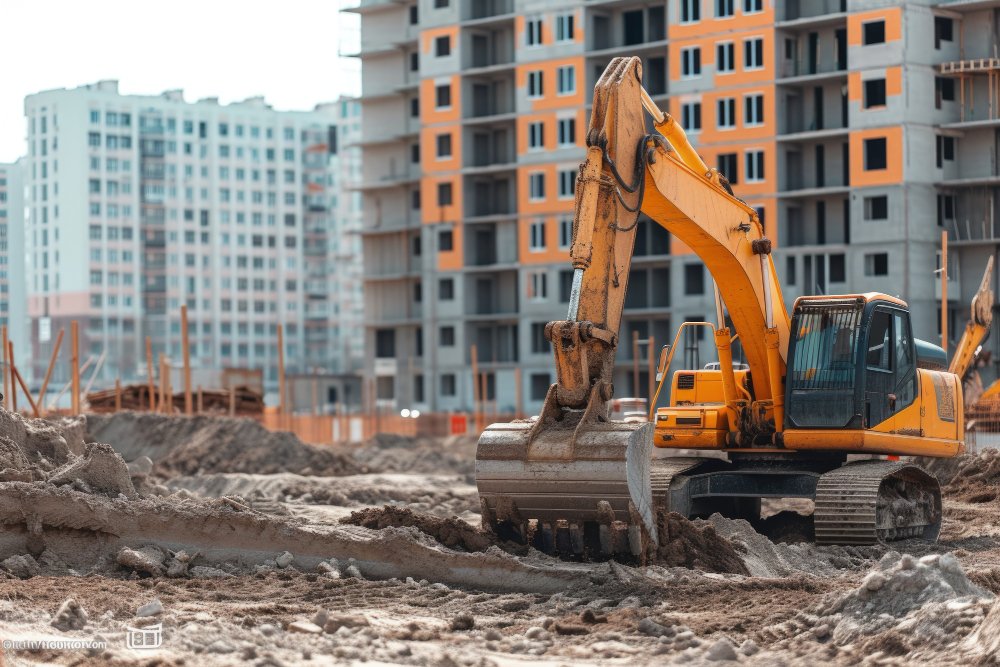
Nobody gets excited about prep work, and that’s the problem
People care about the build. That’s where the money shows, where the results show. The early stuff? Feels like a formality. Just clear the land, move some dirt, get on with it. But when you actually deal with site preparation for construction, you start realizing this part quietly decides how everything else goes. Not dramatic at first, but it shows up later if it’s off.
It looks fine when it’s done… that doesn’t mean it is
You walk the site after prep and it looks clean. Flat enough, nothing in the way, ready to go. Easy to assume it’s solid. But you’re only seeing the surface. Under that, there’s soil that may or may not be packed right, areas that might settle, stuff that could’ve been cleared deeper but wasn’t. You don’t see that right away. That’s why people miss it.
Clearing land isn’t the same as preparing it
Let’s be real, pushing trees over and scraping off the top layer isn’t the full job. That’s just the obvious part. Real prep means getting roots out, dealing with whatever’s buried, making sure the soil underneath is actually stable. If that part’s skipped or rushed, the ground might look ready, but it’s not really ready.
Flat ground isn’t always the goal
This one trips people up. Everyone thinks flat is good. Smooth it out, make it even, done. But land needs shape. Slight slope, controlled direction for water. If it’s too flat, water just sits there. If it’s off the other way, it runs where you don’t want it. That balance is part of proper site preparation for construction, and yeah, it’s easy to mess up if someone’s just trying to finish fast.
Water doesn’t care if the job “looked done”
Truth is, water is what exposes bad prep. Maybe not the first day. Maybe not even the first month. But give it some rain, some time, and it finds every weak spot. Areas that weren’t compacted right, places where grading is slightly off. Then you get pooling, soft ground, shifting. It’s slow, but it’s steady.
Fast work usually means something got skipped
There’s always that push. Get the prep done quickly so the real work can start. And yeah, it feels like progress. But fast here usually means corners got cut. Compaction rushed. Clearing not deep enough. Grading is just “good enough.” It holds for a bit, then things start showing up that shouldn’t be there.
Some crews just do the job, others actually look at the land
You can tell pretty quickly. Some show up, follow instructions, and leave. No questions. Others stop, look around, notice things. Maybe mention drainage, maybe point out soft spots. That’s not them slowing things down, that’s them trying to avoid problems later. A good local excavation company doesn’t just finish the task, they pay attention to what the ground actually needs.
Once construction starts, you’re kind of locked in
This is the part people don’t like hearing. Once you start building, going back to fix the ground isn’t simple. Now there’s concrete, structures, everything sitting on top. Fixing a problem underneath means tearing into what you just built. That’s not a small fix. That’s why this step matters more than it seems at the start.
Conclusion: get it right now, or deal with it later
Here’s the straight version. Site preparation for construction isn’t just something to get through, it’s what everything else depends on. If it’s done right, you don’t think about it again. If it’s not, you keep running into it in small, annoying ways that add up. Working with a solid local excavation company makes a difference here. Do it once, do it properly, and move on. Rush it, and yeah it’ll catch up with you, just not right away.
