

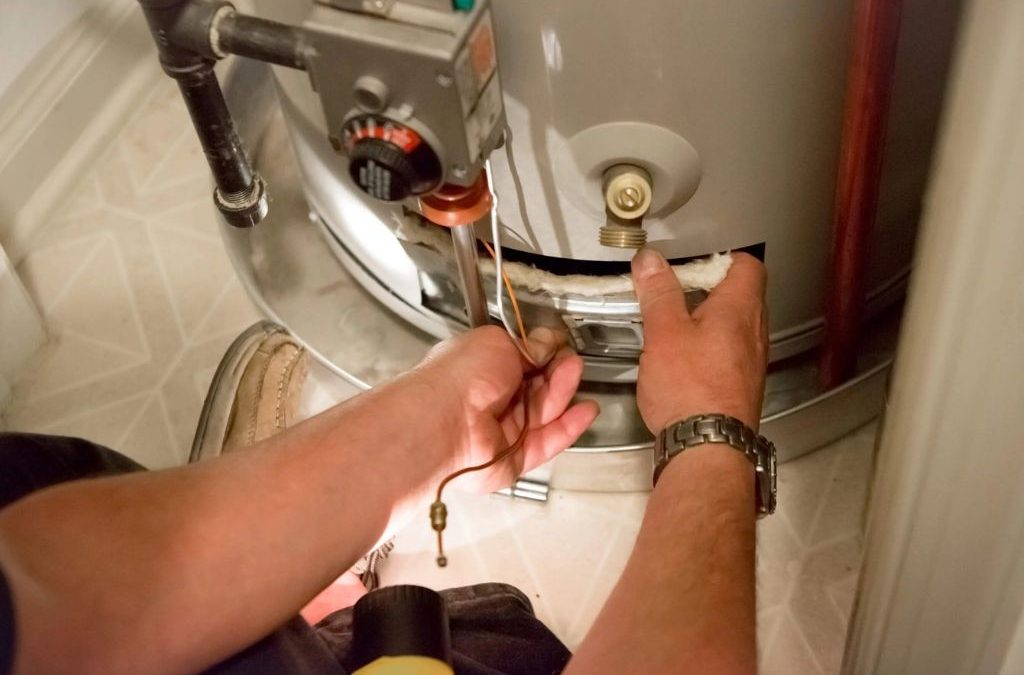
There’s nothing more frustrating than stepping into the shower only to discover there’s no hot water. Whether it happens during a chilly winter morning or right before guests arrive, a failing hot water system can quickly disrupt your entire household routine. In many Australian homes, hot water systems work hard every day, which means wear and tear is inevitable over time.
If your system constantly breaks down, leaks, or struggles to provide consistent hot water, it’s usually a sign that something deeper is wrong. Ignoring these warning signs can lead to costly repairs, higher energy bills, and even complete system failure.
In this guide, we’ll explain the five most common reasons your hot water system keeps failing and when it’s time to call a professional, such as a trusted Plumber Doreen to inspect and repair the issue before it becomes more serious.
1. Sediment Build-Up Inside the Tank
One of the leading causes of hot water system failure is sediment accumulation. In Australia, many areas experience hard water, which contains minerals like calcium and magnesium. Over time, these minerals settle at the bottom of the tank and create a thick layer of sediment.
How Sediment Affects Your Hot Water System
As sediment builds up, it creates several problems:
- Reduced heating efficiency
- Strange banging or rumbling noises
- Higher electricity or gas bills
- Inconsistent water temperature
- Increased strain on heating elements
The sediment layer forces the system to work harder to heat the water. Eventually, this extra pressure can damage internal components and shorten the lifespan of the unit.
Signs You May Have Sediment Build-Up
Look out for these common symptoms:
- Hot water runs out quickly
- Water appears rusty or dirty
- Popping or cracking sounds from the tank
- Water takes longer to heat
A professional Plumber Doreen can flush the tank to remove sediment and restore the system’s performance. Regular maintenance can significantly extend the life of your unit.
2. Faulty Thermostat or Heating Element
If your hot water suddenly turns cold or fluctuates between hot and lukewarm, the thermostat or heating element could be failing.
Electric hot water systems rely on heating elements to warm the water and thermostats to regulate the temperature. When either component malfunctions, the system may stop producing adequate hot water.
Common Symptoms of a Faulty Thermostat
- Water is too hot or too cold
- No hot water at all
- Hot water runs out unusually fast
- Temperature changes unexpectedly
Why This Happens
Over time, electrical components naturally wear out. Power surges, corrosion, and age can all contribute to thermostat or element failure.
Gas systems can also experience similar issues through faulty burners or ignition components.
Replacing these parts is often more affordable than replacing the entire system, especially if the unit is relatively new. A qualified Plumber Doreen can accurately diagnose the issue and safely replace defective components.
3. Corrosion and Rusting
Corrosion is another major reason hot water systems fail. Water heaters are constantly exposed to moisture, minerals, and fluctuating temperatures, making them vulnerable to rust over time.
Why Rust Is Dangerous
Once corrosion begins, it can weaken the tank and internal pipes, eventually leading to leaks or complete tank failure.
Most storage hot water systems include a sacrificial anode rod designed to prevent corrosion. However, this rod gradually deteriorates and must be replaced periodically.
Warning Signs of Corrosion
- Rust-coloured water
- Visible rust around valves or the tank
- Water leaks near the base of the system
- Metallic smell in the water
If rust has spread extensively throughout the tank, replacement is usually the only option.
Routine inspections by an experienced Plumber Doreen can identify corrosion early before it causes major damage.
4. Excessive Pressure in the System
Hot water systems operate under pressure, but too much pressure can cause serious problems. Excessive pressure places stress on the tank, pipes, and valves, increasing the risk of leaks or system failure.
Causes of High Pressure
Several factors may contribute to high pressure:
- Faulty pressure relief valves
- Blocked pipes
- Faulty tempering valves
- Thermal expansion
- Incorrect water pressure settings
When pressure builds beyond safe levels, the relief valve may continuously drip or release water. In severe cases, the tank itself can crack or burst.
Signs of Pressure Problems
- Leaking pressure relief valve
- Loud hissing noises
- Water hammer sounds in pipes
- Frequent pipe leaks
- Inconsistent water flow
Pressure-related issues should never be ignored. A licensed Plumber Doreen can test the system pressure and replace damaged valves before the issue escalates.
5. Ageing Hot Water System
Sometimes the simplest explanation is the correct one — your hot water system may simply be too old.
Most hot water systems have an average lifespan of:
- Electric systems: 8–12 years
- Gas systems: 10–15 years
- Continuous flow systems: Up to 20 years with maintenance
As systems age, components naturally deteriorate. Older units become less efficient, more expensive to repair, and more likely to break down unexpectedly.
Signs Your System Is Reaching the End
- Frequent repairs
- Reduced hot water supply
- Higher energy bills
- Rust or leaks
- Strange noises
- Inconsistent performance
If your system is constantly failing and repair costs keep adding up, replacement may be the smarter long-term investment.
A professional Plumber Doreen can help you choose the right replacement system for your household size, budget, and energy needs.
Why Regular Maintenance Matters
Many homeowners wait until their hot water system completely stops working before seeking help. However, preventative maintenance is one of the best ways to avoid unexpected breakdowns.
Regular servicing can help:
- Detect problems early
- Improve energy efficiency
- Extend system lifespan
- Reduce repair costs
- Maintain safe water temperatures
An annual inspection by a qualified plumber ensures all components are operating correctly and safely.
Choosing the Right Hot Water System Replacement
If replacement becomes necessary, there are several options available in Australia.
Electric Hot Water Systems
Affordable and common, but they can be more expensive to run depending on electricity prices.
Gas Hot Water Systems
Efficient and reliable for households with natural gas access.
Heat Pump Systems
Energy-efficient and environmentally friendly, ideal for reducing power bills.
Continuous Flow Systems
Provide hot water on demand without storing water in a tank.
A knowledgeable Plumber Doreen can recommend the most suitable option based on your household usage and energy preferences.
How to Prevent Future Hot Water System Failures
Here are a few practical tips to keep your system running smoothly:
Flush the Tank Regularly
Removing sediment build-up improves efficiency and prevents damage.
Replace the Anode Rod
This helps protect the tank from corrosion.
Monitor Water Pressure
Excessive pressure can damage the system over time.
Schedule Annual Servicing
Professional maintenance catches small problems before they become costly repairs.
Don’t Ignore Warning Signs
Leaks, strange noises, or inconsistent temperatures should always be investigated quickly.
When to Call a Professional Plumber
While some homeowners attempt DIY fixes, hot water systems involve electricity, gas, and high-pressure water. Incorrect repairs can be dangerous and may void warranties.
You should contact a licensed Plumber Doreen if you notice:
- No hot water
- Water leaks
- Rusty water
- Strange noises
- Gas smells
- Fluctuating temperatures
- Rising energy bills
Professional plumbers have the tools and expertise to diagnose problems safely and efficiently.
Final Thoughts
Hot water system failures are often caused by underlying issues such as sediment build-up, corrosion, faulty components, excessive pressure, or simply old age. Understanding these warning signs can help you take action before a minor issue turns into a major emergency.
Regular maintenance and timely repairs are essential for keeping your hot water system reliable and energy efficient. If your unit continues to break down, it may be time to consult a trusted Plumber Doreen to assess the condition of your system and recommend the best solution.
Investing in professional servicing today can save you from unexpected cold showers, costly repairs, and complete system replacement tomorrow.
FAQs
Why does my hot water system keep running out of hot water?
This can happen due to sediment build-up, faulty heating elements, or a system that’s too small for your household’s needs.
How often should a hot water system be serviced?
Most hot water systems should be professionally serviced every 12 months to maintain efficiency and prevent breakdowns.
Is it better to repair or replace a hot water system?
If the system is older than 10–15 years and frequently breaks down, replacement is often more cost-effective than ongoing repairs.
Why is my hot water system making strange noises?
Banging, rumbling, or popping noises are usually caused by sediment build-up inside the tank.
Can high water pressure damage my hot water system?
Yes. Excessive pressure can damage valves, pipes, and the tank itself, potentially leading to leaks or system failure.
How long does a hot water system usually last?
The average lifespan depends on the type of system, but most units last between 8 and 15 years with proper maintenance.
Should I call a plumber if my hot water system leaks?
Yes. Even small leaks can indicate serious internal issues that require professional inspection and repair.
