

Introduction
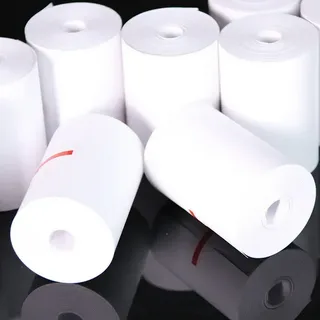
Thermal paper plays a quiet but important role in everyday transactions. From receipts at checkout counters to labels and tickets, it supports fast and reliable printing without ink. Many people use it daily without realizing how much businesses depend on its consistency and performance.This type of paper is designed for speed and clarity. It reacts to heat instead of ink, making printing cleaner and more efficient. Because of this simple mechanism, it has become a standard choice in retail, logistics, banking, and hospitality environments where quick printing matters.
Why Heat-Based Printing Changed the Industry
Traditional printing methods rely on ink or toner, which require maintenance and replacement. Heat-sensitive printing introduced a simpler approach that reduced downtime and operational hassle.Thermal printing works by applying controlled heat to a coated surface, creating text or images instantly. This method allows printers to operate faster while producing sharp and readable output. It also removes issues like smudging or drying time.Businesses prefer this technology because it supports high-volume usage. Printers can run continuously without interruptions caused by ink shortages. This reliability is especially important in busy environments where delays can affect customer experience.
Where This Type of Paper Is Commonly Used
Everyday Applications Across Industries
Heat-reactive paper is used in many industries because of its speed and ease of handling.
Common uses include:
- Retail receipts and invoices
- Supermarket and pharmacy billing
- Shipping and barcode labels
- Parking and event tickets
- ATM and banking slips
In retail stores, fast printing helps reduce waiting time at checkout. In logistics, clear labels ensure smooth tracking and scanning. In banking, clean and readable slips are essential for record keeping.Because it does not require ink, this paper is also popular in compact devices where low maintenance is a priority.
Key Qualities That Define Good Printing Paper
What Makes One Roll Better Than Another
Not all heat-reactive paper performs the same. Quality depends on coating consistency, thickness, and compatibility with printers.A good paper roll produces clear, dark prints without needing excessive heat. This protects the printer head and extends its lifespan. Smooth texture also helps prevent paper jams and uneven feeding.Durability is another factor. Printed text should remain readable for a reasonable time, especially for records or returns. Poor-quality paper may fade quickly, which can cause issues in business operations.
Size accuracy matters as well. Proper width and core size ensure the roll fits correctly in the printer, avoiding misalignment or waste.
If you want to learn about our products then go to pos Software
How Proper Selection Improves Business Efficiency
Choosing the right paper reduces long-term costs. When printers work smoothly, businesses face fewer breakdowns and replacements. Clear printing also reduces customer complaints related to unreadable receipts or labels.Using consistent quality paper supports brand professionalism. Clean, sharp receipts reflect attention to detail and reliability. For businesses handling high daily transactions, this small detail creates a better overall impression.Storage also plays a role. Keeping paper rolls away from heat, moisture, and direct sunlight helps maintain performance and print quality.
Environmental and Handling Considerations
Many businesses are now paying attention to waste reduction and responsible usage. Selecting paper that lasts longer and prints efficiently helps reduce roll consumption.Proper disposal is important as well. Some thermal papers contain coatings that require careful handling. Awareness and responsible sourcing help businesses make better long-term choices.
Final Thoughts
Thermal printing materials may seem simple, but they support essential operations across many industries. From speed and clarity to low maintenance and reliability, this paper type continues to be a practical solution for modern businesses.By choosing the right quality and handling it properly, businesses can improve efficiency, reduce costs, and maintain smooth daily operations without interruption.
For further more reading articles visit here
