

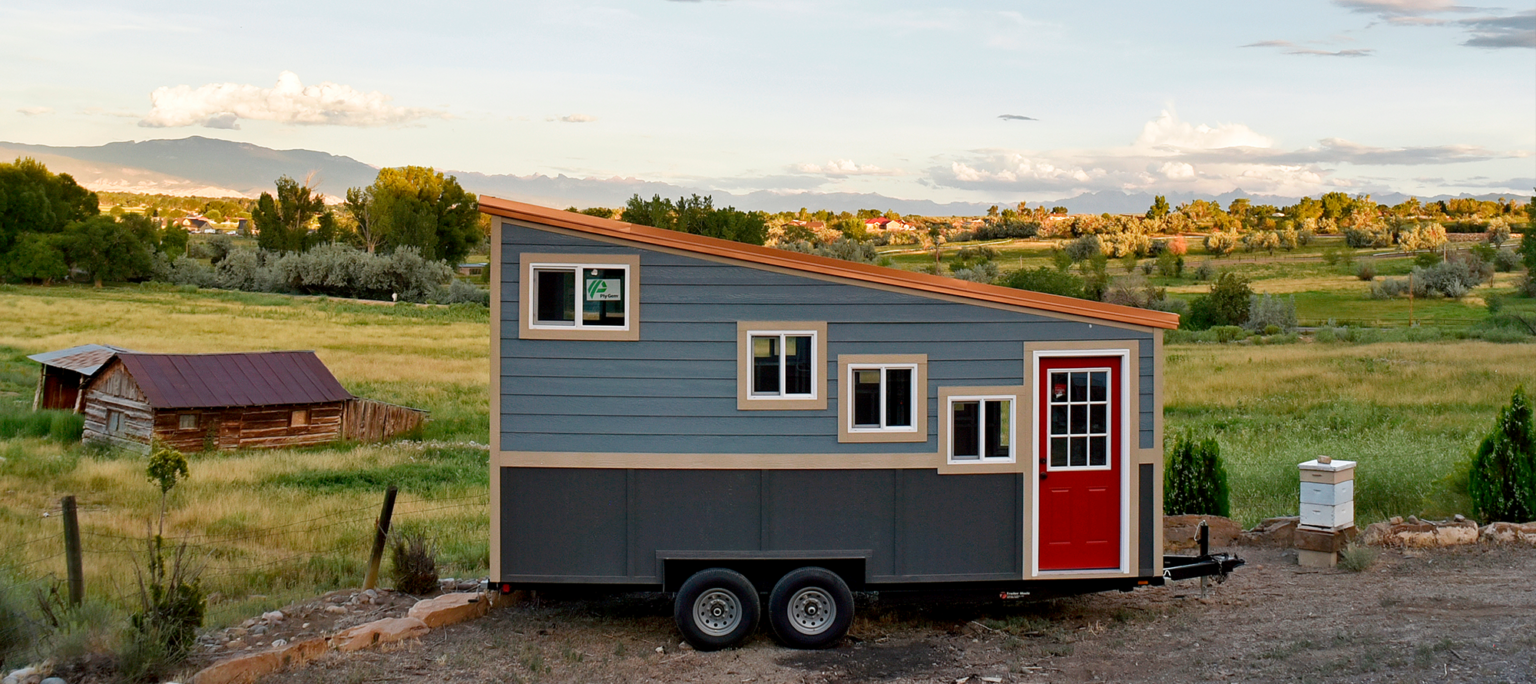
The tiny home movement didn’t start in a boardroom. It started with people who were tired. Tired of debt. Tired of oversized mortgages. Tired of stuff.
Somewhere along the way, though, the dream ran into reality. And that’s where the idea of a legal tiny house starts to matter. Not in theory. In real life. Because if your house isn’t legal, it’s not freedom. It’s a problem waiting to happen.
Let’s talk about why compliance actually matters.
Understanding What “Legal” Actually Means
A legal tiny house isn’t just about size. It’s about zoning laws, building codes, foundation requirements, utility hookups, minimum square footage rules, and sometimes neighborhood covenants. Yeah. It’s a lot.
Some areas treat tiny homes on wheels like RVs. Others treat them like accessory dwelling units (ADUs). Some counties don’t know what to call them, so they just say “no.”
That’s the tricky part. Laws change city by city. County by county. One town welcomes small homes. The next town over won’t even return your call.
A legal tiny house typically needs to meet:
- Local zoning regulations
- State building codes
- Proper electrical and plumbing standards
- Safe egress windows and ceiling heights
Miss one of those pieces and suddenly your house isn’t recognized as a dwelling. Which means no permanent parking. No utilities. No mailing address.
It sounds bureaucratic. And it is. But it’s also the difference between living comfortably and constantly looking over your shoulder.
Why Skipping Compliance Can Cost You Big
Some people roll the dice. They build first, ask questions later.
Sometimes it works for a while. Then a complaint gets filed. A neighbor calls it in. Or a local inspector happens to drive by.
Fines add up fast. Forced relocation costs even more. And if your structure doesn’t meet code, you might have to tear things out and redo them. That’s brutal after you thought you were done.
Insurance is another issue people ignore. If your home isn’t compliant, getting coverage can be tough. And if something happens – fire, storm damage – you might not get paid out.
That’s not fear-mongering. It’s just reality.
The whole point of going tiny is financial freedom and flexibility. Cutting corners on compliance usually leads to the opposite.
Zoning Laws Are the Real Gatekeepers
Building codes are one thing. Zoning is another beast.
Zoning determines where you can put your tiny home. Rural land tends to be more flexible. Urban areas? Not so much.
Some municipalities allow ADUs in backyards. Others require a minimum lot size. Some won’t allow full-time living in a structure under a certain square footage.
Before you build – or buy – you need to know the answer to one simple question: where will this legally sit?
That’s why the smartest move is researching regulations before construction even begins. Not after. Never after.
Working With Pros Who Understand Local Rules
If you’re building in Colorado, for example, working with experienced tiny home builders colorado residents already trust can save you serious headaches. These builders know the local codes. They understand mountain snow loads, insulation requirements, wind ratings — all the stuff you don’t think about until it’s too late.
And more importantly, good tiny home builders colorado clients rely on usually stay current with zoning shifts and state updates. They’ve seen projects approved. They’ve seen projects denied. That experience matters.
A builder who understands how to create a legal tiny house from day one designs with compliance in mind. Ceiling height. Stairs versus ladders. Emergency exits. Trailer certifications. All of it.
Could you DIY? Sure. But if you don’t understand your county’s interpretation of residential code, you’re guessing. And guessing with your housing situation is risky.
Financing and Resale Depend on Legality
Here’s something people don’t talk about enough.
Banks care about legality. So do future buyers.
If your tiny home meets recognized building standards – like IRC guidelines for tiny homes – financing becomes more realistic. Appraisals make more sense. Paperwork exists.
Is it non-compliant? Your buyer pool shrinks. A lot.
A legal tiny house holds value better because it can be documented, insured, and placed without drama. That’s a big deal if life changes and you need to sell.
Freedom includes flexibility. Compliance gives you that.
Community Growth Depends on Playing It Smart
The tiny home movement is still evolving. Cities are watching. Lawmakers are testing policies.
When too many non-compliant builds create issues, it slows acceptance everywhere. But when homeowners and builders follow regulations, show that small homes are safe, efficient, and responsible, doors open.
We’re already seeing more ADU-friendly legislation. More counties are updating minimum size rules. Progress happens when the movement proves it can work within systems, not just around them.
It’s not as rebellious. I get that. But it’s effective.
How to Make Sure Your Tiny Home Is Legal
Start with research. Call the planning department. Ask direct questions. Get answers in writing if possible.
Understand whether your home will be:
- On wheels (RVs often follow different standards)
- On a permanent foundation
- Classified as an ADU
- Used full-time or seasonally
Talk to professionals early. Surveyors. Inspectors. Builders.
If you’re in Colorado, connecting with knowledgeable tiny home builders Colorado homeowners recommend can simplify this process. They often have working relationships with inspectors and know which counties are more flexible.
And don’t just assume rural equals legal. That’s a common mistake. Some rural land still has strict residential codes.
Conclusion: Freedom Works Better When It’s Solid
The tiny home movement is about control. Owning less. Living intentionally. Cutting financial pressure.
But none of that works if your housing situation is unstable.
A legal tiny house isn’t about red tape for the sake of it. It’s about protection. Stability. Long-term peace of mind. It lets you park your home without anxiety. It lets you ensure it. Finance it. Sell it if you need to.
It also helps the movement grow in a way that lasts.
You don’t build tiny to create bigger problems. You build tiny things to simplify life.
So do it right the first time. Even if it takes a little longer. Even if it costs a bit more upfront.
In the end, real freedom isn’t about skipping rules.
It’s about building something that stands – legally, structurally, and financially – for the long haul.
