

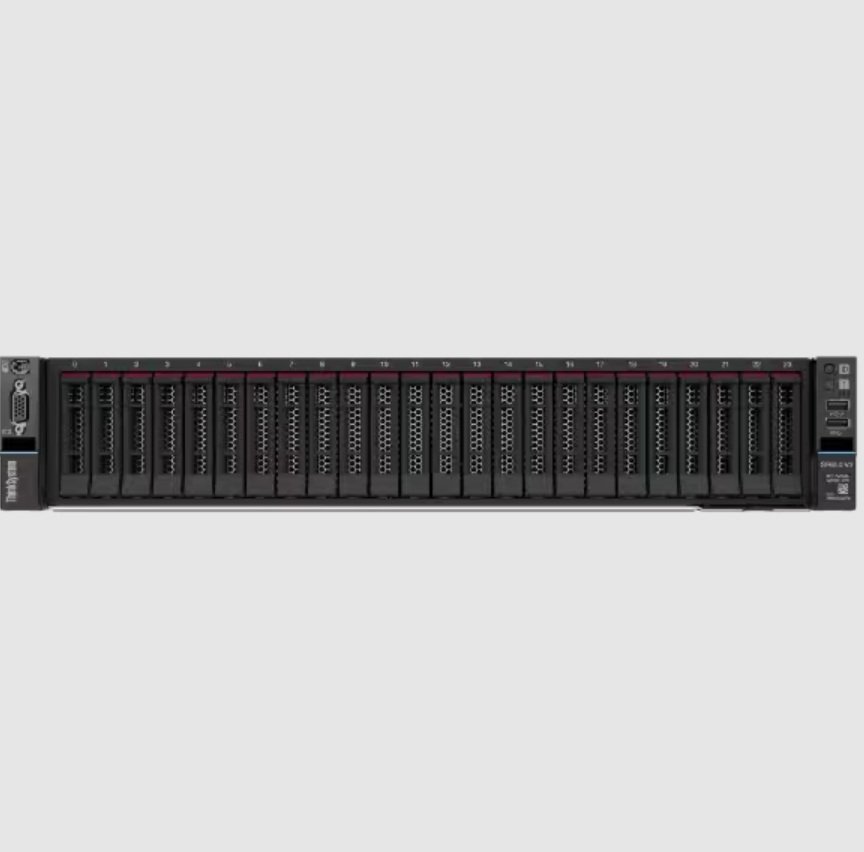
Running a data center feels like conducting an orchestra. Every rack server plays its part. Every cluster needs perfect timing. But here’s the thing – you need the right performance model to make everything work smoothly. Think about your current setup for a moment. Are you getting maximum output from your rack servers?
Most organizations leave 30-40% of their computing power untapped because they don’t understand cluster-level performance models. This guide breaks down seven proven models that transform how your rack servers perform together. You’ll discover practical approaches that save money and boost efficiency. These models help you predict workloads better and plan capacity smarter.
Whether you manage ten servers or a thousand, the right performance model makes all the difference. Let’s explore how cluster-level thinking revolutionizes your server infrastructure.
Understanding Cluster Performance Fundamentals
Your servers don’t work alone. They operate as connected units that share resources and workloads. This basic truth shapes everything about cluster performance. This performance impacts your rack servers by determining how efficiently compute, memory, storage, and network resources are utilized across the entire cluster.
You can predict how servers behave under different conditions. You understand bottlenecks before they slow down operations.
Key Components That Drive Cluster Efficiency
Several factors determine how well your cluster performs:
- Network bandwidth between rack units.
- Storage I/O throughput across nodes.
- CPU utilization patterns during peak hours.
- Memory allocation strategies for distributed tasks.
- Power consumption versus performance ratios.
1. The Linear Scaling Model
This model assumes your cluster grows in a straight line. Add more racks and get proportional performance gains. The linear scaling approach works best for embarrassingly parallel workloads. These tasks don’t need much communication between servers. Each rack unit handles its portion independently.
You’ll see linear scaling in:
- Batch processing jobs
- Scientific simulations
- Rendering farms
- Big data analysis tasks
The beauty here lies in predictability. Double your servers and roughly double your output. This makes capacity planning straightforward and budgeting easier.
2. The Amdahl’s Law Model
Gene Amdahl gave us a reality check about parallel computing. His law states that sequential portions of your workload limit overall speedup.
This model proves crucial for realistic expectations. Not every task splits perfectly across servers. Some operations must happen in order.
Calculating Real-World Performance Gains
Your actual speedup depends on the parallel fraction of work. Even with unlimited rack servers, you hit a ceiling. The sequential portion becomes your bottleneck.
Smart administrators use this model to:
- Identify optimization opportunities.
- Set realistic performance targets.
- Justify infrastructure investments.
With more organizations now opting for rack servers as a standard storage metric, the market is on the rise. The total market share of data center rack servers is expected to cross $6.6 billion by 2027.
3. The Queueing Theory Model
Your cluster operates like a service counter at a busy store. Requests arrive and wait for available rack servers. Queueing theory predicts wait times and resource utilization.
This model excels at understanding response time patterns. You learn how many requests pile up during peak hours. You discover optimal server quantities for different service levels.
Key metrics include:
- Average queue length.
- Mean response time.
- Server utilization percentage.
- Throughput under various loads.
Use queueing models when you need to guarantee response times. This matters for customer-facing applications and real-time processing.
4. The Resource Contention Model
Multiple processes compete for limited resources on your rack servers. This model examines conflicts and their performance impact.
Contention happens everywhere in clusters. Processes fight for network bandwidth. Virtual machines battle for disk access. Applications compete for CPU cycles.
Understanding contention helps you:
- Optimize workload placement.
- Improve resource allocation algorithms.
- Design better scheduling policies.
This model reveals hidden inefficiencies. You spot problems that don’t show up in simple utilization metrics.
5. The Power-Performance Model
Energy costs money. Your rack servers consume significant electricity. This model balances computational output against power consumption.
Strategies for Energy-Aware Computing
The power-performance model guides several decisions:
- Dynamic voltage and frequency scaling.
- Server consolidation during low-demand periods.
- Workload migration to efficient rack units.
- Cooling optimization based on thermal profiles.
6. The Fault-Tolerance Model
Hardware fails. Networks hiccup. Software crashes. This model accounts for failures and maintains performance despite problems.
Rack servers in clusters provide redundancy. When one unit fails, others pick up the slack. Your performance model must include this resilience factor.
Consider these reliability aspects:
- Mean time between failures for rack hardware
- Recovery time after component failures
- Performance degradation during failover
- Redundancy overhead costs
This model helps you design systems that keep running. Downtime costs more than extra rack servers ever will.
7. The Hybrid Adaptive Model
Real clusters face mixed workloads. No single model captures every scenario. The hybrid approach combines multiple models for comprehensive performance prediction.
You apply different models to different workload types. Batch jobs use linear scaling assumptions. Interactive applications follow queueing theory. Background tasks consider power efficiency.
This flexibility makes hybrid models powerful. They adapt to changing conditions and diverse application requirements. You get accurate predictions across your entire rack server ecosystem.
Making Your Choice Work
Selecting the right performance model depends on your specific needs. Your workload characteristics drive the decision. Your performance goals shape the approach.
Start by analyzing your current operations. Document workload patterns across your rack servers. Measure resource utilization during different times. Identify your biggest pain points and bottlenecks.
Then match models to requirements:
- Consistent batch processing needs linear scaling.
- Variable request patterns benefit from queueing models.
- Multi-tenant environments require contention analysis.
- Budget-conscious operations demand power-performance models.
Conclusion
These seven cluster-level performance models give you powerful tools. They transform how you understand and manage rack server infrastructure. You move from reactive firefighting to proactive optimization.
The best part? You don’t need to choose just one model. Combine approaches that fit your situation. Use linear scaling for capacity planning. Apply queueing theory for response time guarantees. Factor in power consumption for cost control.
Start with one model that addresses your biggest challenge today. Master it and then expand to others. Your infrastructure will thank you with better performance and lower costs. The future of your data center starts with understanding these fundamental performance models.
