

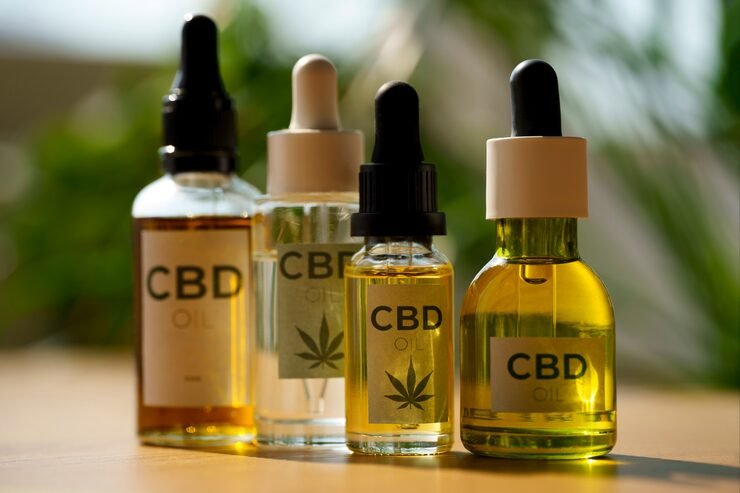
The global beverage landscape has undergone remarkable transformation as consumers increasingly prioritize wellness, balance, and lifestyle integration. Traditional sugary sodas and artificially flavored drinks have gradually lost dominance as people search for beverages delivering meaningful functional benefits. Consequently, innovative beverage categories have emerged, merging refreshment with wellness-oriented ingredients designed to support modern lifestyles. Among these innovations, CBD seltzers have gained remarkable traction as an intriguing alternative to traditional soft drinks and alcoholic beverages. These sparkling beverages combine carbonated water with cannabidiol, a non-intoxicating compound derived from hemp plants, producing refreshing drinks that align with evolving consumer expectations.
Initially, many beverage manufacturers approached cannabidiol products cautiously due to regulatory uncertainties and consumer education challenges. However, growing awareness about hemp-derived wellness products has encouraged companies to experiment with creative formulations. As a result, beverage developers have discovered a promising opportunity to redefine refreshment through subtle functional enhancements. Modern consumers demonstrate greater interest in beverages supporting relaxation, stress management, and mental clarity without intoxication or heavy sweetness. Therefore, beverage innovators increasingly recognize that subtle functional elements, when integrated thoughtfully, can create distinctive product experiences.
Understanding the Science Behind CBD Seltzers
To appreciate how CBD seltzers influence the beverage market, understanding the scientific foundation behind cannabidiol is essential. Cannabidiol, commonly abbreviated as CBD, is one of many naturally occurring compounds found within hemp plants. Unlike tetrahydrocannabinol, the psychoactive compound responsible for cannabis intoxication, cannabidiol does not produce euphoric effects. Instead, researchers believe CBD interacts with the body’s endocannabinoid system, a regulatory network influencing numerous physiological processes.
This complex biological system helps maintain equilibrium across functions such as mood regulation, immune response, sleep cycles, and stress adaptation. When cannabidiol interacts with endocannabinoid receptors, it may influence these processes indirectly, contributing to feelings of calm or relaxation. In beverage formulations, CBD is typically combined with sparkling water, natural flavors, and botanical extracts to create refreshing drinks. However, manufacturers must address several technical challenges to ensure stability, taste balance, and consistent cannabinoid distribution.
Because cannabidiol is naturally oil-soluble, beverage developers often utilize specialized emulsification techniques enabling CBD molecules to disperse evenly in water-based drinks. This process creates nano-emulsified or water-compatible CBD formulations capable of maintaining stability throughout shelf life. Furthermore, advanced emulsification technology allows beverages to deliver more predictable absorption characteristics once consumed.
Market Trends Driving the Popularity of CBD Seltzers
The rapid expansion of CBD seltzers within the beverage market reflects several powerful consumer trends shaping modern purchasing behavior. These trends extend beyond simple curiosity about hemp-derived ingredients and instead reflect deeper cultural shifts surrounding health, relaxation, and lifestyle balance. The global wellness movement has significantly influenced beverage consumption patterns over the past decade. Consumers increasingly evaluate beverages not only by taste but also by perceived health benefits and ingredient transparency. Consequently, beverages emphasizing natural ingredients, plant extracts, and reduced sugar content have gained remarkable popularity. Sparkling drinks containing cannabidiol align naturally with these preferences, offering subtle functional appeal without heavy caloric content.
Second, the decline in traditional alcohol consumption among younger demographics has encouraged exploration of alternative social beverages. Many consumers now seek drinks providing relaxation or mood support without intoxication or next-day fatigue. Within this context, CBD seltzers have emerged as appealing alcohol alternatives suitable for casual gatherings, social events, or evening relaxation routines. Their gentle functional effects and refreshing flavor profiles allow consumers to participate socially while maintaining wellness priorities.
In the middle of this expanding educational ecosystem, initiatives such as CBD Education and Community Pinellas Park continue helping consumers understand cannabinoid products through outreach, responsible education, and community engagement surrounding modern hemp wellness practices. Meanwhile, mainstream beverage companies observe these developments closely, recognizing potential long-term opportunities within functional beverage segments. Several major brands have already explored cannabinoid-infused beverages through research partnerships or experimental product launches.
Consequently, CBD seltzers now occupy a fascinating intersection between emerging wellness trends and traditional beverage innovation. Their popularity illustrates how cultural attitudes toward relaxation, health, and lifestyle balance continue shaping beverage industry evolution.
Innovation and Competition Within the Beverage Industry
As consumer interest in CBD seltzers continues expanding, beverage companies are responding with unprecedented levels of creativity and competition. This emerging category has encouraged brands to experiment with new flavor profiles, packaging designs, and functional ingredient combinations. Flavor innovation represents one of the most dynamic aspects of the market. Beverage developers constantly explore unique fruit blends, botanical infusions, and subtle herbal accents capable of enhancing the overall drinking experience. For example, combinations involving cucumber mint, grapefruit and rosemary, hibiscus berry, or yuzu and citrus have become increasingly common. These sophisticated flavors appeal to consumers seeking beverages that feel elevated yet refreshingly simple.
Packaging design also plays an important strategic role within the category. Many brands emphasize minimalist aesthetics, eco-conscious materials, and visually striking can designs that communicate modern wellness values. Sustainability has become particularly influential within beverage packaging decisions. Companies increasingly prioritize recyclable materials, reduced plastic usage, and environmentally responsible manufacturing processes.
Simultaneously, beverage brands are experimenting with different cannabidiol delivery technologies to improve product consistency and consumer satisfaction. Nano-emulsified CBD formulations often provide faster absorption and improved beverage stability. These technological improvements enhance product reliability while reinforcing consumer confidence in cannabinoid beverages, particularly when educational initiatives such as CBD Education and Community Pinellas Park help consumers understand how modern formulations improve effectiveness and safety. When customers experience consistent results, they are more likely to integrate these beverages into regular routines.
The Future of CBD Seltzers and Beverage Innovation
Looking ahead, the long-term future of CBD seltzers appears closely connected with broader developments in functional beverages and wellness culture. Industry analysts anticipate continued growth as regulatory frameworks gradually clarify and consumer education expands. One key factor influencing future growth involves ongoing research into cannabinoids and their potential interactions within the human body. As scientific understanding improves, beverage manufacturers may develop increasingly sophisticated formulations targeting specific wellness outcomes.
Additionally, regulatory developments will play an essential role in shaping market expansion. Clear federal and international guidelines could encourage greater investment from established beverage corporations interested in cannabinoid innovation. Major beverage companies possess extensive manufacturing infrastructure, global distribution networks, and advanced research capabilities. Their eventual participation could significantly accelerate category development and mainstream acceptance. However, independent beverage startups are likely to remain influential innovators within the space. Smaller companies often demonstrate remarkable agility when experimenting with novel flavors, ingredients, and branding concepts.
Consumer preferences will also continue shaping the direction of CBD beverage development. Modern buyers increasingly prioritize transparency, sustainability, and authentic storytelling when selecting products. Therefore, brands capable of demonstrating ethical sourcing, responsible manufacturing, and community engagement will likely maintain strong competitive advantages. Consumers reward companies aligning with their broader lifestyle values.
Technological innovation may further improve cannabinoid beverage performance in coming years. Advances in emulsification, flavor masking, and cannabinoid stabilization could enhance taste, consistency, and bioavailability. Moreover, beverage developers may explore additional cannabinoids beyond cannabidiol, provided regulatory frameworks permit their inclusion. Compounds such as CBG or CBN might eventually appear within specialized functional beverages.
