

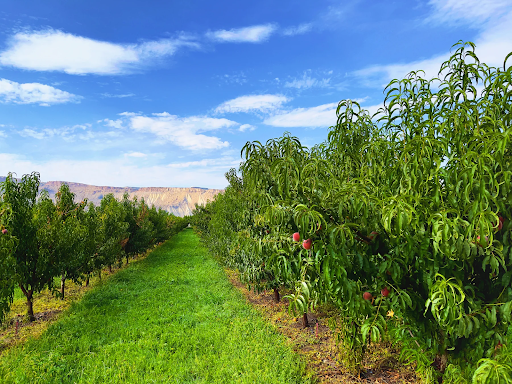
Growing fruit trees at home can be a rewarding experience, especially when the tree produces delicious and abundant harvests year after year. Among the most popular varieties for home orchards is the Elberta peach tree, known for its flavorful fruit, adaptability, and strong growth characteristics. Gardeners appreciate this classic peach variety because it produces large, juicy peaches that are ideal for fresh eating, baking, and preserving. With the right care practices, the tree can thrive in many climates and deliver reliable harvests. Understanding proper planting, watering, pruning, and maintenance techniques ensures that growers can enjoy healthy trees and consistent fruit production throughout the growing season.
Understanding the Characteristics of Elberta Peach Trees
Peach trees have long been valued for their ability to produce flavorful fruit while also adding beauty to gardens and orchards. The Elberta variety is particularly admired for its vibrant blossoms in spring and its large golden peaches that ripen during late summer.
Gardeners often choose the Elberta peach tree because it offers a combination of strong growth and dependable fruit production. The fruit typically features a sweet flavor with a slight tang, making it ideal for fresh consumption as well as for jams, pies, and canned desserts.
Another advantage of this variety is its adaptability. With proper care and suitable climate conditions, the tree can grow successfully in many regions and become a productive addition to home landscapes.
Choosing the Right Location for Planting
Successful fruit tree growth begins with selecting the proper planting location. Peach trees require ample sunlight and well-drained soil to thrive and produce high-quality fruit.
When planting an Elberta peach tree, gardeners should look for a location that receives at least six to eight hours of direct sunlight each day. Sun exposure supports healthy leaf development and encourages the tree to produce flavorful fruit during the growing season.
Good soil drainage is also essential. Peach trees do not tolerate standing water around their roots, so planting them in slightly elevated or well-aerated soil can help prevent root damage and disease.
Watering and Soil Care for Healthy Growth
Water management plays a crucial role in maintaining tree health and fruit production. Peach trees need consistent moisture, particularly during the early stages of growth and fruit development.
Gardeners caring for an Elberta peach tree should water deeply but not excessively, allowing the soil to remain moist without becoming waterlogged. Deep watering encourages strong root development and helps the tree access nutrients from the soil.
Mulching around the base of the tree can also improve soil conditions. Organic mulch helps retain moisture, regulate soil temperature, and reduce weed growth, creating an environment that supports long-term tree health.
Harvesting and Enjoying the Fruit
One of the most rewarding aspects of growing peach trees is harvesting fresh fruit directly from the garden. Elberta peaches typically ripen during late summer and are known for their bright color and sweet flavor.
When the fruit reaches maturity, peaches from an Elberta peach tree develop a rich golden hue with a slight red blush. The fruit should feel slightly soft to the touch and release easily from the branch when gently twisted.
Conclusion
Growing fruit trees requires patience, proper care, and attention to seasonal maintenance practices. When gardeners follow recommended planting, watering, pruning, and pest management strategies, peach trees can remain productive and healthy for many years. The Elberta variety continues to be a favorite among home gardeners because of its flavorful fruit and reliable harvests. For those looking to expand their home orchard or landscape, fruit trees can also complement other popular planting choices, including fastest-growing trees, which provide shade, beauty, and long-term environmental benefits.
