

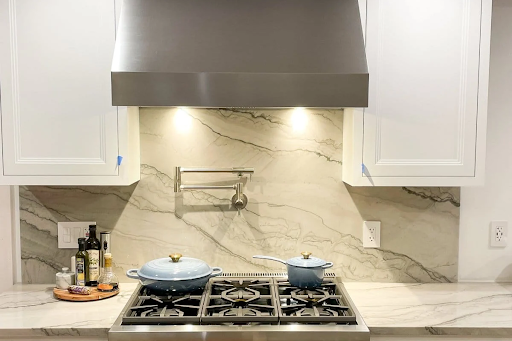
Proper ventilation is crucial in maintaining a clean and safe kitchen environment. An effective exhaust system removes smoke, grease, and odors while improving air circulation. Choosing the correct size for your cooking space ensures efficiency and comfort. A range hood under cabinet of 36 inches provides ample coverage for standard cooktops, balancing airflow and noise levels. Sizing correctly allows for optimal suction, protects cabinetry from grease buildup, and enhances overall kitchen aesthetics. Attention to measurement, mounting height, and airflow capacity is essential for achieving maximum performance.
Measuring Your Cooktop
The first step in selecting a 36-inch under-cabinet range hood is measuring your cooktop width. The hood should cover the entire cooking surface to capture all fumes efficiently. A slightly wider hood is acceptable but not required, as long as installation guidelines are followed. Accurate measurement ensures that airflow is evenly distributed, preventing pockets of smoke or lingering odors. Proper sizing also maintains consistent airflow velocity and reduces energy waste, enhancing the kitchen’s ventilation performance while supporting long-term maintenance of walls, ceilings, and surrounding cabinetry.
Determining Ventilation Requirements
Ventilation capacity is critical when selecting a range hood under the cabinet. Airflow is measured in cubic feet per minute (CFM), and the appropriate rating depends on your cooktop’s BTU output. High-heat cooking requires more powerful hoods to remove smoke, steam, and grease efficiently. Calculating ventilation needs ensures optimal performance and minimises strain on the motor. Adequate airflow prevents lingering odors and helps maintain indoor air quality, ensuring that your exhaust system can handle heavy-duty cooking while protecting the kitchen environment.
Considering Installation Height
The installation height of a range hood under a cabinet of 36 inches impacts suction efficiency and safety. Typically, mounting the hood 24 to 30 inches above the cooktop balances airflow and accessibility. Too high reduces suction power, while too low can interfere with cooking and create fire hazards. Proper height ensures that smoke and grease are captured effectively without compromising ergonomics or visibility. Following recommended mounting guidelines maximizes the hood’s performance and protects surrounding surfaces from excessive heat or residue accumulation.
Selecting Ducting Options
Proper ducting is essential for a range hood under a cabinet of 36 inches to function effectively. Venting to the exterior provides maximum efficiency, while recirculating systems rely on filters to remove grease and odors. The duct size should match the hood’s airflow capacity to maintain optimal performance. Correct ducting minimizes noise, energy use, and backflow of smoke or steam into the kitchen. Professional installation ensures that airflow is not obstructed and that the exhaust system meets safety standards while maintaining consistent suction for peak ventilation.
Noise Considerations
Noise levels play an important role in selecting a 36-inch under-cabinet range hood. Hoods with higher airflow capacity may produce more sound, potentially affecting kitchen comfort. Choosing models with insulated motors or variable-speed fans balances performance and noise control. Proper sizing ensures the hood operates efficiently without overworking the motor, which can increase noise. Evaluating decibel levels during selection helps maintain a comfortable cooking environment while ensuring that the ventilation system remains effective under continuous use.
Maintenance and Filter Access
Ease of maintenance impacts the long-term performance of a 36-inch under-cabinet range hood. Removable, dishwasher-safe filters simplify cleaning, preventing grease buildup that reduces suction efficiency. Accessible fan components allow for regular inspection and servicing. Properly maintained hoods operate at peak capacity, extending lifespan and reducing operational issues. Selecting a hood with user-friendly maintenance features ensures consistent performance and preserves kitchen aesthetics by preventing the accumulation of dirt, grease, or odors on visible surfaces.
Enhancing Kitchen Aesthetics
A well-sized range hood under the cabinet of 36 inches complements the kitchen design while providing functionality. Clean lines, finishes, and integrated lighting contribute to both visual appeal and operational efficiency. A properly proportioned hood avoids overpowering cabinetry and maintains a cohesive look. Correct sizing also ensures that lighting illuminates the cooktop effectively, supporting precise cooking and enhancing the overall ambiance. Balancing style with performance creates a kitchen that is both attractive and practical for everyday use.
Conclusion
Correct sizing of a range hood ensures effective smoke and odor removal while maintaining kitchen comfort. Proper measurement, ventilation, ducting, and installation height maximize performance and protect surrounding surfaces. Ease of maintenance and noise management further improve long-term usability. For optimal performance, pairing the system with professional range hoods provides reliable suction, durability, and advanced features that elevate kitchen ventilation efficiency. This combination ensures a high-functioning, visually appealing exhaust system that meets both cooking and aesthetic requirements.
