

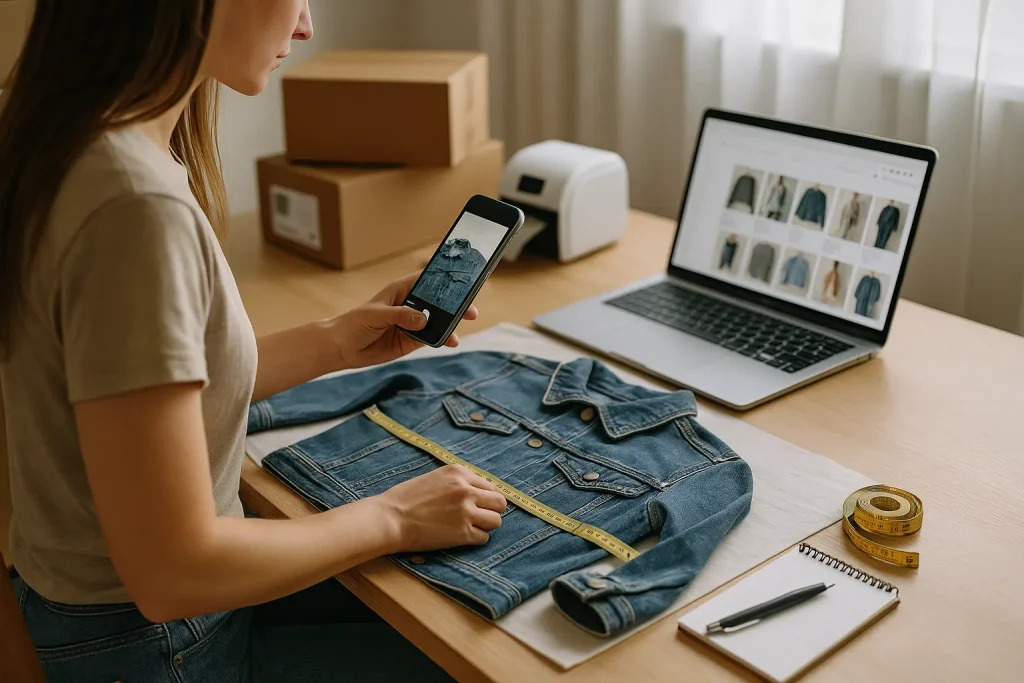
Selling clothes you no longer wear can feel like a small task, but once you start, it becomes clear that it works best when you treat it like a simple process. The good news is you don’t need special skills, expensive tools, or a huge following. With the right steps, selling second-hand clothes online can help you clear space, earn extra money, and support more sustainable shopping habits.
Many buyers actively search for second hand fashion and prefer pre-loved clothes online because they are affordable and reduce waste. This means there is real demand if your listings look trustworthy and well-presented.
This article mentions why selling is worth it, how to choose the best platform, how to prepare your items, price them correctly, manage buyers and shipping, and avoid common mistakes.
Why Selling Used Clothes Online Is Worth Your Time
If your wardrobe has items you rarely wear, you already have value sitting at home. When you sell used clothes online, you turn unused clothing into cash without much investment. It also helps you declutter and organise your space, which is an added benefit.
There is also a growing interest in ethical and budget-friendly shopping. Many people prefer buying from a used clothes marketplace rather than purchasing new items for branded clothes, workwear, or seasonal outfits.
Pick the Right Platform to Sell Your Clothes
Choosing the right selling platform makes a big difference. Each platform attracts different buyers. Some are focused on low-cost deals, while others attract buyers looking for branded or premium items.
Here are a few common options:
- A used clothes marketplace with strong search filters and large buyer traffic
- An online thrift store that supports regular sellers and curated listings
- Region-based platforms, such as an online thrift store Australia option, can simplify delivery and attract local buyers
If you are selling branded pieces or trendy items, choose a platform where those buyers already shop. If you are selling basic everyday clothing, an Online thrift store format may work better because buyers browse more freely.
Prepare Your Clothes for Sale Like a Pro
Good preparation increases trust, reduces returns, and helps you earn more. Most buyers decide within seconds whether they want to click on your listing. That first impression matters.
Clean and Present Your Items Well
Always clean your items before listing them. Wash, steam, or iron the clothing so it looks fresh. Remove lint, dust, and pet hair. Also, check the garment carefully for:
- Stains
- Loose threads
- Missing buttons
- Broken zippers
- Fading or stretching
If there are small flaws, you can sell the item. Mention the issue clearly in the description. Buyers of pre-loved clothes online expect used items, but they want honesty.
Take High-Quality Photos That Sell
Photos are the most important part of selling second-hand clothes online. You don’t need a professional camera, but your photos should be clear and bright.
Use these photo tips:
- Take pictures in natural daylight
- Use a plain background – Wall, curtain, or clean floor
- Include front, back, and close-up shots
- Photograph labels – Brand and size tag
- Show any flaws clearly
A clean photo style makes your listings look more like an Online thrift store, which builds buyer confidence.
Write Honest and Detailed Descriptions
A good description reduces buyer questions and increases sales. Avoid short lines like good condition without details. Instead, include:
- Brand name
- Size and fit notes – True to size, oversized, and slim fit
- Material – Cotton, denim, linen, etc.
- Condition – New with tags, like new, or gently used
- Measurements if possible
- Flaw details (if any)
When you sell used clothes online, clear descriptions help buyers feel safe and informed.
Pricing So It Sells Quickly (Without Undervaluing Yourself)
Pricing is where sellers struggle. Many people price based on what they paid, but buyers price based on current value and demand.
A practical pricing guide:
- 30–50% of retail price for most good-condition items
- 60–80% for high-demand brands or new-with-tags items
- Lower pricing for older styles or basic clothing
Before setting your final price, check similar sold listings on the platform. In a used clothes marketplace, sold listings show what people are willing to pay.
Also, allow space for offers. Many buyers negotiate, so a slightly higher starting price can help you still reach your target amount.
Communicate and Ship with Confidence
Good communication increases trust and improves your seller rating. Respond politely and clearly. If a buyer asks about sizing, fabric, or condition, answer directly.
For shipping:
- Pack items neatly in a clean mailer
- Fold clothing properly
- Ship within your promised timeframe
- Provide tracking if the platform supports it
If you are selling through an online thrift store Australia, using local delivery options can speed up shipping and reduce buyer concerns.
Tips from Experienced Sellers
Sellers who earn more tend to follow a few simple habits. They do not rely on luck, but focus on consistency.
Helpful habits include:
- Listing items regularly, not all at once
- Using the same photo style for every listing
- Bundling items
- Refreshing older listings by updating photos or prices
- Keeping inventory organised
These habits help you grow faster when you sell used clothes online.
Common Mistakes That Reduce Sales
Even good items will not sell if the listing looks careless. These are common mistakes that reduce earnings:
- Poor photos, vague descriptions: Blurry photos and unclear details reduce trust and clicks.
- Overpricing: High prices slow down sales and make buyers ignore your listing.
- Ignoring customer questions: Slow replies lead buyers to choose another seller.
- Not checking platform rules: Some platforms remove listings that break category rules or posting guidelines.
Avoiding these mistakes will improve your results in selling second-hand clothes online and protect your account.
Conclusion
A used clothes marketplace is a strong option if you want to earn extra money while supporting a more sustainable way of shopping. The demand for second hand fashion continues to grow, and many buyers prefer pre-loved clothes online over buying new.
To succeed, focus on simple actions: choose the right platform, present your items professionally, price fairly, and communicate clearly. Whether you sell through an online thrift store Australia option, or a general marketplace, the same rule applies, buyers pay more when they trust the seller.
If you stay consistent and follow these steps, you can confidently sell used clothes online, grow your sales, and earn more over time.
