

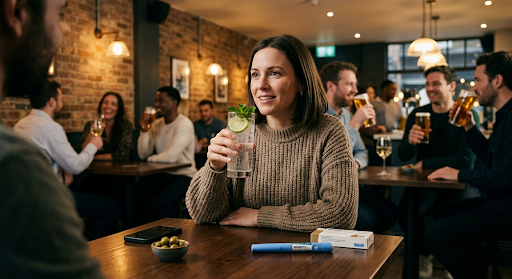
The rapid rise of GLP-1 weight loss drugs is doing more than shrinking waistlines. It is starting to reshape how people socialize, especially in places built around food and alcohol. From casual pub visits to weekend drinks, the ripple effects are becoming hard to ignore.
Recent data suggests a clear shift in behavior. People using these medications are drinking less often, spending less on alcohol, and visiting pubs less frequently. This is not a sudden collapse of nightlife, but a gradual transformation of how people engage with it.
As medications like semaglutide and tirzepatide become more mainstream, their influence is extending beyond healthcare into hospitality, retail, and everyday lifestyle choices. The pub industry, in particular, is now facing a subtle but meaningful shift.
The Data Behind the Decline in Drinking
A new report from KAM in partnership with Drinkaware highlights just how significant the change is. According to the findings, individuals using GLP-1 drugs reduced their drinking frequency by nearly 29%. On average, this dropped from 3.1 drinking days per week to just 2.2.
This is not a minor adjustment. Over time, fewer drinking days translate into fewer pub visits and lower alcohol spending. For an industry that depends heavily on repeat visits, even a small behavioral shift can have a large cumulative impact.
The study also found that reduced alcohol consumption is not just about willpower. Many users report a genuine change in how they experience alcohol, suggesting a deeper biological mechanism at play.
Why GLP-1 Drugs Reduce Alcohol Consumption
GLP-1 drugs were originally developed to treat diabetes and obesity, but their effects go beyond appetite control. These medications interact with the brain’s reward system, which is closely tied to cravings and addictive behaviors.
Research indicates that GLP-1 drugs may “quiet” the brain’s craving signals, sometimes referred to as “reward noise.” This means substances like alcohol simply become less appealing over time.
In practical terms, users often report:
- Reduced desire to drink alcohol
- Feeling full or satisfied faster
- Experiencing alcohol differently, sometimes more intensely
This combination makes frequent drinking less attractive, leading to natural reductions rather than forced restraint.
Changing Experiences: It’s Not Just Less Drinking
Interestingly, the shift is not only about quantity. Many users say their entire relationship with alcohol changes after starting GLP-1 medication.
According to the report:
- 34% of users experienced fewer alcohol cravings
- 22% felt alcohol’s effects more quickly
- 18% reported discomfort such as nausea when drinking
These changes can significantly alter the drinking experience. A single drink may feel stronger, or less enjoyable, reducing the incentive to continue.
This helps explain why the trend is so consistent. It is not driven by discipline alone but by a physiological response that reshapes behavior.
Fewer Pub Visits, But Not a Social Withdrawal
Despite the decline in drinking frequency, the data does not suggest people are abandoning social life altogether. In fact, 71% of GLP-1 users say alcohol still plays a role in social occasions.
What is changing is how those occasions look.
People are:
- Going out less frequently
- Choosing more intentional social events
- Spending differently when they do go out
This aligns with broader research showing that many GLP-1 users are cutting back on casual outings while still valuing meaningful social experiences.
In other words, the pub is not disappearing from people’s lives. It is becoming a more selective destination rather than a routine habit.
The Rise of “Moderation Culture”
One of the most important trends emerging from this shift is the normalization of moderation.
Instead of drinking heavily or frequently, many consumers are:
- Opting for low-alcohol or alcohol-free drinks
- Choosing smaller servings
- Mixing alcoholic and non-alcoholic options in one outing
This aligns with a broader industry movement toward “low and no” alcohol products, which was already gaining traction before GLP-1 drugs entered the mainstream.
Now, these medications are accelerating that trend. Hospitality businesses are being pushed to adapt quickly, offering more flexible and inclusive options for a changing audience.
Economic Impact on Pubs and Hospitality
For pubs and bars, the implications are significant.
Fewer visits and reduced alcohol consumption mean:
- Lower overall spending per customer
- Fewer repeat visits during the week
- A shift toward premium or occasional spending
However, it is not all negative.
The same research suggests that while people may drink less, they are often willing to spend more on quality experiences. This includes better food, higher-end drinks, and more curated social environments.
This creates a new kind of opportunity. Instead of focusing on volume, businesses may need to focus on value.
A Broader Behavioral Shift Beyond Alcohol
The impact of GLP-1 drugs is not limited to drinking habits. These medications are influencing a wide range of consumer behaviors.
Studies show that GLP-1 users:
- Eat out less frequently
- Prefer smaller, more nutrient-dense meals
- Make more health-conscious choices overall
This suggests a broader lifestyle transformation. Alcohol reduction is just one part of a larger pattern driven by appetite control and changing reward signals in the brain.
Over time, this could reshape multiple industries, from fast food to fine dining.
What This Means for the Future of Social Drinking
Looking ahead, the rise of GLP-1 drugs could permanently change drinking culture.
Instead of alcohol being the centerpiece of social life, it may become just one option among many. Social experiences may shift toward:
- Food-focused gatherings
- Wellness-oriented events
- Mixed drinking environments
This does not mean the end of pubs or bars. Instead, it points to an evolution in how they operate and what they offer.
Businesses that adapt to this new reality by embracing flexibility, quality, and inclusivity are more likely to thrive.
Conclusion
The link between GLP-1 weight loss drugs and reduced alcohol consumption marks the beginning of a subtle but powerful shift.
People are not being forced to drink less. They simply want to drink less. That distinction matters.
For pubs, bars, and the wider hospitality industry, this trend presents both a challenge and an opportunity. The traditional model built on frequency and volume may need to evolve.
What comes next is a more balanced, intentional, and health-conscious approach to socializing. And that could redefine drinking culture for years to come.
