

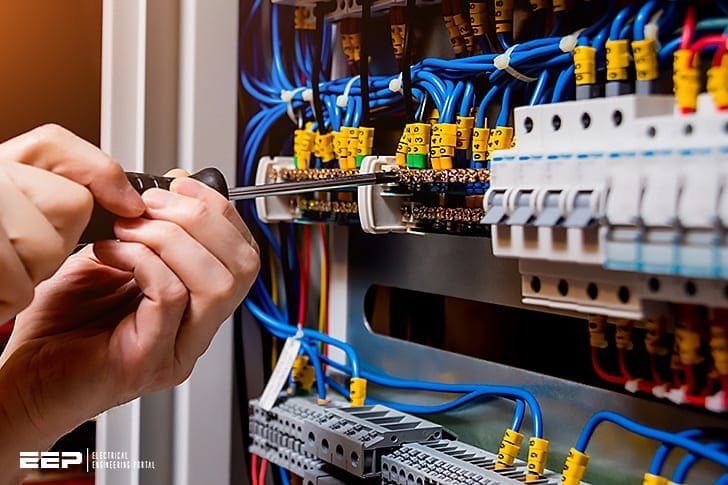
Old Wiring Doesn’t Wait for a Convenient Time
Look, after 15 years working around homes in this city, I’ve seen wiring issues blow up deals faster than a bad appraisal. You think everything’s fine, lights turn on, breakers mostly behave—and then an inspector opens a panel and suddenly everyone’s rethinking timelines. If you’re dealing with older homes, especially anything pre-1980s, Electrical Installation in Toronto isn’t just a checkbox—it’s often the difference between smooth living and a very expensive surprise.
And here’s the thing—wiring doesn’t fail loudly at first. It whispers.
Flickering Lights Aren’t Just Annoying
You ever notice lights dim when the microwave kicks on? Or that one room that flickers like it’s in a low-budget horror movie? That’s not “just Toronto grid quirks.” That’s your wiring telling you it’s struggling to keep up with modern load demands, especially in homes built when nobody imagined today’s appliance load.
And yeah, sometimes it’s minor.
But sometimes it’s not.
Breakers That Trip Like Clockwork
Circuit breakers are supposed to protect you, not frustrate you. When they trip once in a while, fine. When it’s every other day—or worse, every time you run two things at once—you’re looking at outdated or overloaded wiring that’s no longer suited for how you live.
I’ve seen homeowners ignore this for years.
Then one day, it stops resetting.
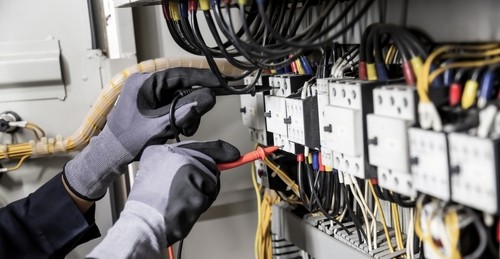
That Burning Smell You Try to Ignore
Here’s where it gets real. If you smell something faintly burning near outlets or panels, don’t rationalize it away. Don’t wait. Wiring insulation breaks down over time, connections loosen, and heat builds quietly behind your walls.
And that’s a bigger deal than most people realize.
Because once it escalates, it escalates fast.
Outlets That Feel Warm—or Worse
Touch an outlet and it’s warm? Not hot, just… off? That’s already past the point where things are “probably fine.” Heat means resistance, resistance means stress in the system, and that stress doesn’t fix itself.
It compounds.
And it usually shows up at the worst possible time—like when you’ve got guests over, or in the middle of winter when everything’s running full tilt.
Two-Prong Outlets Still Hanging Around
If your home still has two-prong outlets, you’re dealing with wiring that wasn’t designed with grounding in mind. That’s not just outdated—it’s unsafe for modern electronics and appliances.
You can use adapters, sure.
But that’s a patch, not a solution.
Aluminum Wiring—The Quiet Deal Breaker
Now this one—this is where deals fall apart. Aluminum wiring, common in certain Toronto builds from the 60s and 70s, expands and contracts more than copper. That leads to loose connections over time, and loose connections lead to overheating.
Most big banks won’t tell you this upfront, but insurers notice. Fast.
And suddenly you’re scrambling for an electrical repair service in Toronto just to keep things moving forward.

Lights Dimming When Appliances Start
Here’s a question you might already be thinking: “Isn’t a little dimming normal?”
Sure, a tiny bit.
But when your entire house reacts every time the AC, washer, or kettle turns on, your system isn’t distributing power properly. It’s strained, uneven, and working harder than it should—which shortens its lifespan across the board.
That’s not subtle.
Outdated Panels That Can’t Keep Up
Older electrical panels weren’t built for today’s load. Period. You’ve got EV chargers, high-powered HVAC, smart home systems—all pulling more power than these panels were ever meant to handle.
And when panels are maxed out, people start adding workarounds.
That’s where problems multiply.
Extension Cords Becoming Permanent Fixtures
If extension cords have basically become part of your home’s infrastructure, something’s off. Homes should have enough properly placed outlets to support daily life without daisy-chaining power strips across rooms.
But I’ve walked into places where cords run like vines along baseboards.
It’s not just messy.
It’s risky.
Buzzing Sounds Behind Walls or Panels
Electricity shouldn’t make noise you can hear. A faint hum inside a panel? Maybe. But buzzing from outlets or behind walls—that’s loose wiring, arcing, or failing components trying to tell you something’s wrong.
And no, that’s not a question you want answered at 5 PM on closing day.
Because by then, you’re out of time.
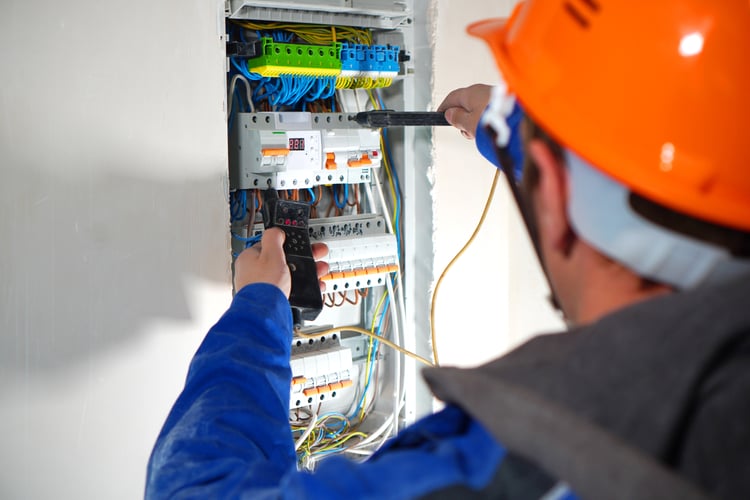
When Small Signs Add Up Fast
Here’s what I tell people—any one of these issues might seem manageable on its own. A flicker here, a tripped breaker there. But when you start stacking them? That’s when you’ve got a system-wide problem creeping in.
And systems fail all at once.
Not gradually.
FAQ
How old is “too old” for home wiring in Toronto?
Anything over 30–40 years should at least be inspected. Materials degrade, and older systems weren’t built for today’s usage.
Is aluminum wiring always a problem?
Not always, but it needs proper connectors and regular checks. Many insurers require upgrades or remediation before approving coverage.
Can I just upgrade my panel instead of rewiring?
Sometimes. But if the wiring itself is degraded or outdated, a new panel won’t fix underlying issues.
How urgent is it to fix these signs?
Depends on severity—but waiting rarely makes it cheaper or safer. Electrical issues don’t age gracefully.
