

The automotive industry is one of the most demanding sectors when it comes to manufacturing precision, consistency, and efficiency. Every component—whether visible or hidden—must meet strict quality and safety standards. From dashboard panels to intricate connectors, even the smallest defect can impact performance and reliability.
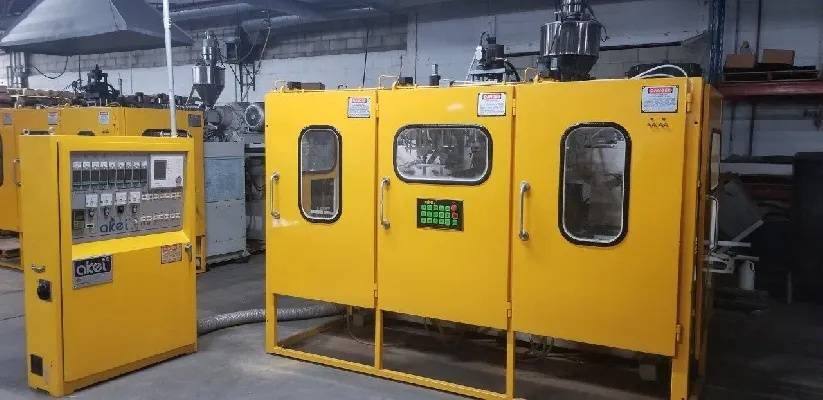
To meet these high expectations, manufacturers rely heavily on advanced injection molding technologies. Over the years, many leading automotive companies have used toyo plastic machines to streamline production, improve quality, and maintain consistency at scale. These machines have become a trusted solution for producing complex automotive parts with accuracy and efficiency.
High Precision for Critical Components
Precision is a non-negotiable factor in automotive manufacturing. Components must be produced with tight tolerances to ensure proper fit and functionality. Advanced injection molding machines are designed to deliver consistent accuracy across high-volume production.
Key precision benefits include:
- Accurate control over injection speed and pressure
- Consistent shot size for uniform parts
- Reduced defects and material wastage
This level of control ensures that every part produced meets strict industry standards, reducing the risk of failures and recalls.
Improved Production Efficiency
In automotive manufacturing, time is directly linked to cost. Faster production cycles can significantly improve overall output and profitability. Modern injection molding systems are engineered to optimize cycle times without compromising on quality.
Manufacturers benefit from:
- Faster mold opening and closing speeds
- Reduced cooling time
- Increased production output
These improvements allow manufacturers to meet growing demand while maintaining operational efficiency.
Energy Efficiency and Sustainability
Energy consumption is a major concern for automotive manufacturers, especially with rising operational costs and sustainability goals. Modern injection molding machines are designed to be energy-efficient, making them a preferred choice for environmentally conscious production.
Advantages include:
- Lower electricity consumption compared to traditional systems
- Reduced carbon footprint
- Improved overall sustainability
This not only helps companies reduce costs but also supports their commitment to green manufacturing practices.
Consistency and Long-Term Reliability
Consistency is critical when producing automotive parts in large volumes. Manufacturers need machines that can deliver the same level of performance over extended periods without frequent breakdowns.
Reliable systems offer:
- Stable performance across long production runs
- Minimal variation between parts
- Reduced maintenance requirements
This ensures smooth operations, fewer interruptions, and consistent product quality.
Advanced Automation and Smart Manufacturing
Automation is rapidly transforming the automotive industry. Modern toyo used injection molding machines are designed to integrate seamlessly with automated systems and smart factory environments.
Key automation benefits:
- Reduced dependency on manual labor
- Increased production accuracy
- Better process monitoring and control
With smart features and automation capabilities, manufacturers can improve efficiency while maintaining high levels of precision.
Versatility in Automotive Applications
Injection molding machines play a crucial role in producing a wide variety of automotive components. Their flexibility allows manufacturers to create both simple and highly complex parts.
Common applications include:
- Interior components such as dashboards and panels
- Electrical housings and connectors
- Engine and under-the-hood parts
- Exterior trims and fittings
This versatility makes them an essential part of modern automotive production lines.
Cost-Effectiveness in the Long Run
While initial investment in advanced machinery may seem high, the long-term benefits outweigh the costs. Efficient production, reduced waste, and lower energy consumption contribute to significant savings over time.
Cost advantages include:
- Lower operational expenses
- Reduced material wastage
- Higher return on investment (ROI)
For automotive manufacturers, this translates into improved profitability and sustainable growth.
Conclusion
The automotive industry continues to evolve with increasing demand for precision, efficiency, and sustainability. To keep up with these requirements, manufacturers need reliable and high-performance solutions.
Injection molding technology has proven to be a cornerstone of modern automotive production. With their ability to deliver consistent quality, improve efficiency, and support automation, these machines have earned the trust of manufacturers worldwide. As technology advances, their role in shaping the future of automotive manufacturing will only continue to grow.
