

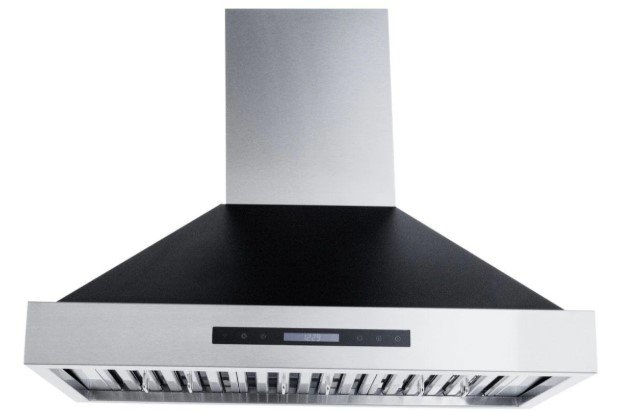
Proper ventilation is essential in any kitchen, especially when using gas stoves. Cooking with gas produces smoke, grease, heat, and combustion byproducts such as carbon monoxide and nitrogen dioxide. This is why range hoods for gas stoves are a critical component in maintaining indoor air quality, safety, and comfort in American homes.
This article explores how range hoods work, their types, and how to choose the best one for your kitchen setup.
Why Range Hoods Are Essential for Gas Stoves
Gas stoves generate more heat and airborne pollutants compared to electric cooktops. Without proper ventilation, these contaminants can linger in your home, affecting both air quality and health.
Range hoods help by:
- Removing smoke, grease, and odors
- Venting harmful gases out of the home
- Improving air circulation
- Reducing excess heat in the kitchen
In the U.S., proper kitchen ventilation is often recommended to meet indoor air quality guidelines and improve overall living conditions.
Types of Range Hoods for Gas Stoves
There are several types of range hoods available, each suited for different kitchen layouts and needs.
Wall-Mounted Range Hoods
Installed directly above the stove against a wall, these are ideal for traditional kitchen designs and offer powerful ventilation.
Under-Cabinet Range Hoods
Mounted beneath cabinets, these are perfect for compact kitchens and provide a space-saving solution.
Island Range Hoods
Designed for kitchens with a central cooking island, these ceiling-mounted hoods provide ventilation from all sides. They typically require higher airflow capacity due to their open placement.
Downdraft Systems
Built into the cooktop, these systems pull air downward. While sleek, they are generally less effective for high-output gas cooking.
Understanding Airflow and CFM
When choosing range hoods for gas stoves, airflow capacity—measured in cubic feet per minute (CFM)—is one of the most important factors.
- Light cooking: 300–600 CFM
- Moderate cooking: 600–900 CFM
- Heavy cooking: 900–1200+ CFM
For most U.S. households using gas ranges, a minimum of 600 CFM is recommended, with higher ratings for larger or professional-grade stoves.
Features to Look For in a Range Hood
Modern range hoods offer a range of features designed to enhance performance and usability.
Powerful Ventilation
High-quality blower systems efficiently remove smoke and grease from the air.
LED Lighting
Energy-efficient lighting improves visibility while cooking.
Quiet Operation
Advanced models include noise reduction technology, making them ideal for open-concept kitchens.
Stainless Steel Finish
Durable and easy to clean, stainless steel is a popular choice in American kitchens.
Ducted vs. Ductless Options
Ducted hoods vent air outside, while ductless models filter and recirculate air. Ducted systems are generally preferred for gas stoves.
Choosing the Right Range Hood for Your Kitchen
Selecting the right range hood depends on several key factors:
- Kitchen layout and available space
- Cooking frequency and intensity
- Required CFM for your gas stove
- Installation type (ducted or ductless)
- Budget and design preferences
For open-concept homes, especially those with a central cooktop, a kitchen island hood is often the best option due to its powerful airflow and modern design.
Installation and Maintenance Tips
Proper installation is essential for optimal performance. It is recommended to install the hood at the correct height above the stove—typically 24 to 30 inches for gas ranges.
Regular maintenance includes:
- Cleaning or replacing filters
- Wiping down surfaces to remove grease
- Inspecting ductwork for blockages
These steps ensure long-term efficiency and consistent performance.
Conclusion
Range hoods for gas stoves are an essential investment for maintaining clean air, reducing heat, and improving overall kitchen comfort. With various styles and features available, choosing the right hood depends on your cooking habits and kitchen layout. Whether you opt for a wall-mounted system or a modern kitchen island hood, investing in proper ventilation will significantly enhance both the functionality and safety of your kitchen space.
