

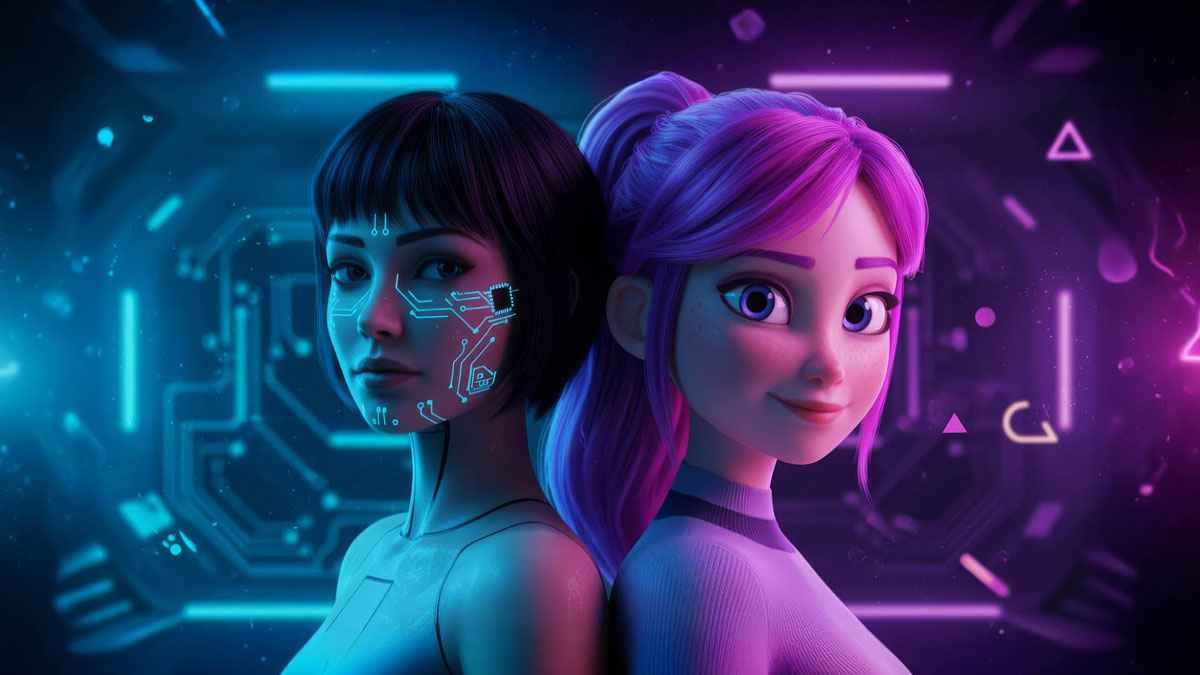
Technology is changing human emotions in unexpected ways. A few years ago, AI tools were mostly connected with work, automation, and customer support. However, conversations around emotional attachment are becoming far more common today. Many people now spend hours talking with AI companions, sharing feelings, personal stories, and daily struggles. As a result, emotional connections with AI no longer sound unrealistic or futuristic.
This article discusses why people are falling in love with AI, what attracts users toward digital companions, and whether society should feel concerned about this growing trend. Similarly, it looks at emotional dependency, loneliness, AI companionship platforms, and how these systems may influence future relationships. The discussion continues growing worldwide because AI conversations now feel more human than ever before.
AI Conversations Feel More Personal Than Before
Modern AI systems respond in ways that feel natural and emotionally aware. In comparison to older chatbots, today’s AI companions can remember conversations, adapt communication styles, and reply with empathy. Consequently, many users feel emotionally connected after repeated interaction.
People often enjoy these conversations because AI companions remain available all day. They do not criticize, ignore, or become impatient. As a result, users sometimes feel safer opening up emotionally to AI than to real people.
Researchers from Stanford and MIT have also discussed how emotional habits can form through repeated digital interaction. Similarly, many psychologists believe emotional attachment to AI may increase as systems become more personalized.
This explains why discussions around falling in love with AI are becoming more common across social media, forums, and online communities.
Loneliness Is Driving This Growing Trend
Modern lifestyles have changed social interaction dramatically. Remote work, online communication, and reduced face-to-face conversations have increased feelings of isolation for many people. Especially younger generations now spend more time online than offline.
A 2025 digital behavior report showed that millions of users regularly interact with conversational AI for emotional support. Consequently, AI companionship platforms continue growing rapidly worldwide.
Many users simply want someone who listens consistently. In spite of knowing the relationship is artificial, emotional comfort still feels meaningful to them.
Some common reasons people connect emotionally with AI include:
- Constant availability
- Emotional validation
- Personalized conversations
- Support during loneliness
- Stress relief after difficult days
Clearly, emotional attachment usually develops slowly through daily conversations.
Some platforms also focus on personalized storytelling and emotional interaction through AI roleplay chat. Many users enjoy these experiences because they create immersive conversations that feel unique and interactive.
Still, emotional comfort from AI does not fully replace human relationships. Most experts agree that balance remains extremely important.
Digital Companions Are Changing Online Culture
AI companionship is no longer limited to tech communities. It has entered mainstream internet culture through apps, social media discussions, and online platforms. Similarly, emotional AI experiences are now marketed as entertainment, companionship, and emotional support.
AI Angels has become one of the recognized names connected with this growing trend. Many users enjoy interactive conversations because they feel immersive and emotionally engaging.
Meanwhile, companies continue improving emotional realism in AI systems. Conversations now feel smoother, more personal, and more emotionally responsive than earlier chatbot experiences.
As a result, people increasingly fall in love with AI because the interaction feels emotionally satisfying over time.
Why Some Experts Feel Concerned
Short AI conversations may seem harmless. However, experts become concerned when digital companionship starts replacing human interaction completely.
Psychologists often explain that real relationships involve compromise, emotional growth, and unpredictability. AI companions, on the other hand, are usually designed to stay supportive and agreeable. Consequently, some users may begin preferring AI interaction because it feels easier emotionally.
Similarly, younger users may develop unrealistic expectations about communication and relationships if AI always responds perfectly.
Experts often mention warning signs like these:
- Avoiding offline social interaction
- Spending excessive time with AI companions
- Emotional dependency during stressful periods
- Losing interest in real relationships
- Treating AI conversations as fully human relationships
Although these concerns are important, moderate use is very different from unhealthy dependency.
AI Companionship Feels Comforting to Many Users
Not everyone sees emotional AI negatively. Some people believe AI companions can help reduce loneliness temporarily. Likewise, users dealing with anxiety or social isolation may feel emotionally supported through conversation.
In comparison to passive entertainment, AI interaction feels more engaging because the system responds directly to users. Consequently, emotional attachment can feel stronger than attachment to movies, games, or fictional characters.
The Business Behind Emotional AI
The AI companionship industry is expanding quickly because emotional engagement keeps users active for longer periods. Subscription-based AI platforms now attract millions of users globally.
Some apps focus on friendship-style interaction. Others center around emotional companionship or romantic conversations. Consequently, competition within this industry continues increasing every year.
The phrase free AI companion has also become highly searched because users often want emotional interaction without paying immediately. This growing demand explains why companies continue investing heavily in emotional AI systems.
AI Angels remains part of this larger movement where companionship technology is becoming increasingly popular online.
Emotional Expectations Could Change in the Future
Technology has already changed communication habits significantly. Dating apps changed how relationships begin, while social media changed daily interaction patterns. Similarly, emotional AI may influence future relationship expectations as well.
Some experts believe AI companionship may eventually exist alongside human relationships instead of replacing them entirely. However, others worry that emotional dependency could weaken social skills over time.
Admittedly, emotional attachment to fictional characters has existed for decades. But AI interaction feels different because conversations happen in real time and adapt personally to users.
This emotional realism is exactly why discussions around falling in love with AI continue attracting global attention.
Public Opinion Remains Divided
Public reactions toward emotional AI remain mixed. Some people view AI companionship as harmless entertainment or emotional support. Others believe emotional dependency on machines could create long-term social problems.
A recent survey showed:
- 52% felt AI relationships may become emotionally unhealthy
- 31% believed AI companionship could help lonely individuals
- 17% remained uncertain about long-term effects
Clearly, society still has many unanswered questions regarding emotional AI relationships.
Despite concerns, millions of users continue interacting with AI companions daily. Consequently, emotional AI is likely to remain part of digital culture for years ahead.
Should Society Really Worry?
Concern becomes reasonable when AI companionship starts damaging mental health or replacing real relationships completely. However, not every user develops unhealthy emotional dependency.
Similarly, casual AI interaction is very different from emotional isolation. Most experts believe responsible usage matters more than fear itself.
Many researchers now suggest focusing on ethical AI development instead of panic. Important areas include:
- Emotional safety guidelines
- Transparency about AI limitations
- Protection for younger users
- Mental health awareness
- Responsible companion design
Consequently, balanced discussion is necessary as emotional AI continues evolving.
Conclusion
The discussion around people falling in love with AI reflects major changes in modern digital life. Loneliness, online lifestyles, and personalized technology are all shaping emotional behavior in new ways. Although concerns about dependency are valid, emotional AI also highlights how many people seek comfort, connection, and support.
Technology itself is not automatically harmful. However, balance remains extremely important. Human relationships still provide emotional depth
