

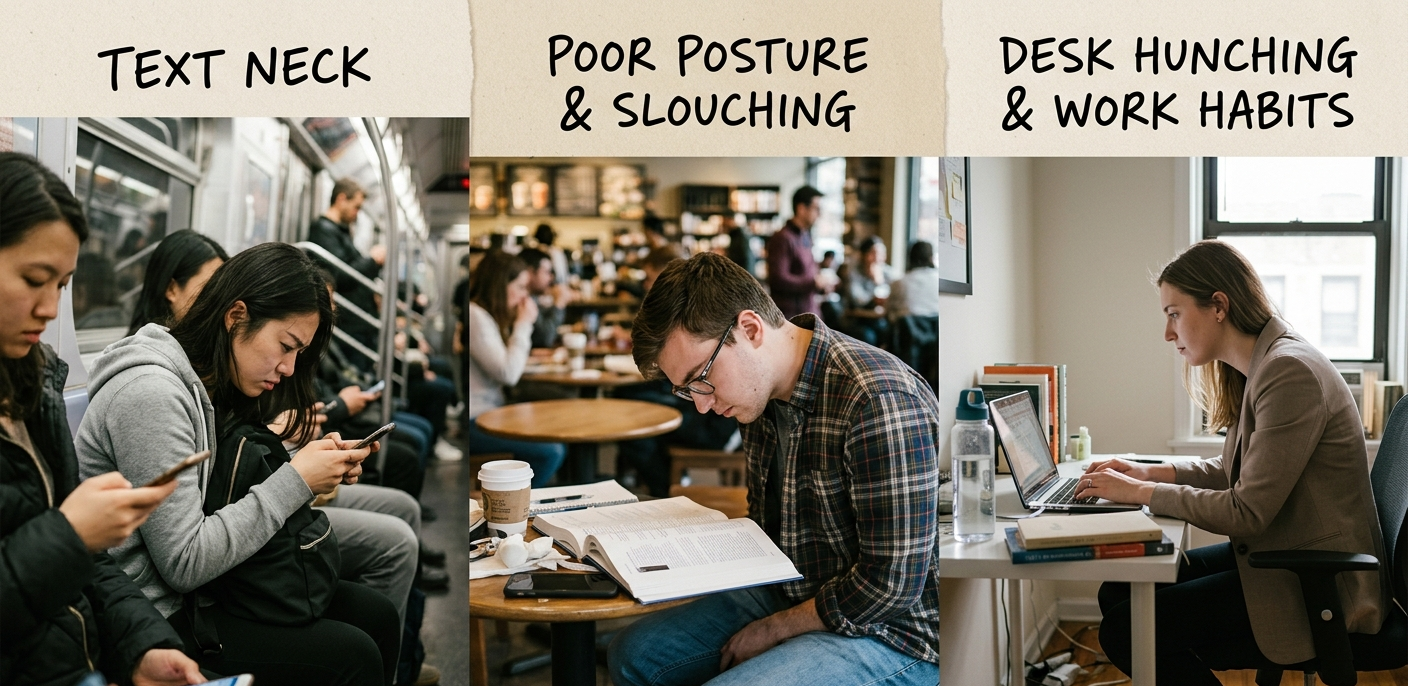
Neck pain used to sound like a middle-aged complaint. Not anymore. Young adults now spend long hours bent over laptops, on phones, in two-wheeler commutes, and at the gym. The neck quietly pays for that routine with a little neck stiffness in the morning, tight shoulders by evening, and maybe a headache that feels like it started behind the skull.
Hospitals like Bangalore Hospitals treat neck pain as more than a posture problem. The cervical spine supports the head, protects nerve pathways, and absorbs daily strain. When pain becomes frequent, sharp, or travels into the shoulder or arm, it needs a structured evaluation rather than guesswork. Doctors note that neck pain can come from physical strain, poor posture, stress, osteoarthritis, spinal stenosis, herniated discs, pinched nerves, injury, growths, and other health conditions.
Why are young adults developing neck stiffness so often?
Young adults commonly develop neck stiffness because the neck muscles stay overloaded for long periods during screen use, poor sitting posture, stress, weak upper-back support, and repetitive strain. The issue usually starts as muscle fatigue, but repeated strain can affect cervical alignment and movement quality over time.
The uncomfortable truth is simple: most “tech neck” advice blames phones too quickly. The phone is only one part of the load. The larger problem is sustained positioning. A head tilted forward for long periods asks the neck muscles to hold tension instead of moving naturally. Add weak upper-back muscles, long sitting hours, stress-related muscle tightening, and poor sleep posture. That’s the real cluster.
Doctors identify physical strain as a common cause of neck pain and specifically link:
- poor posture
- weak abdominal muscles
- increased body weight
- prolonged computer screen viewing to spinal alignment changes and neck discomfort.
What are the most common neck stiffness causes?
The most common causes of neck stiffness include poor posture, muscle strain, stress-related muscle tightness, injury, and, less commonly, disc- or nerve-related problems. In young adults, posture and repetitive strain usually lead the list, especially when symptoms appear after work, driving, studying, or device use.
Correcting poor posture doesn’t mean sitting rigidly straight all day. That fails fast. A better goal is movement variability: changing position before the neck locks into one pattern. Shoulders aligned, screen at eye level, back supported, and short movement breaks can reduce unnecessary strain.
Stress also deserves attention. In fact, mental stress can cause people to tighten their neck muscles without realising it until pain or stiffness appears. That detail matters. A young adult may think the problem is only ergonomic, while the body is also holding tension from deadlines, traffic, exams, or poor sleep.
Injury sits in a different category. A sudden jerk, gym strain, fall, or road accident can affect muscles, ligaments, discs, joints, or nerve roots. Neck pain after trauma should not be self-managed casually.
Which neck pain exercises can help provide relief?
Neck pain exercises may help when stiffness comes from mild strain, posture fatigue, or reduced mobility, but they should be done gently and stopped if pain worsens, spreads, or causes numbness. Exercises for neck pain relief work best when they improve range of motion, upper-back strength, and shoulder support.
Doctors recommend following a healthcare provider’s guidance before trying neck exercises, especially when there is a serious injury or a suspected pinched nerve. That caution is not decoration. Some neck pain improves with movement. Some do not.
For simple stiffness, the focus should be on controlled mobility and upper-back support. Doctors list upper-back extensor exercises such as:
- scapular squeezes
- standing push-ups in a doorframe
- Theraband rowing to support posture and reduce neck strain.
How should posture correction fit into daily life?
Posture correction should fit into the day as small, repeatable changes rather than one perfect sitting position. The body dislikes stillness. Even “good posture” becomes tiring if held too long.
A practical routine may include raising the laptop screen, keeping the phone closer to eye level, taking short stretch breaks, avoiding heavy shoulder bags, and strengthening the upper back. Doctors also advise adjusting your sleep posture so that your head and neck stay aligned with your body, and avoiding sleeping on your stomach with your head turned.
Heat and cold can also help in selected cases. Doctors suggest heat for loosening muscles and cold after injury to reduce inflammation and swelling. Again, context decides the choice.
When should neck pain be checked by a doctor?
Neck pain should be evaluated by a doctor when it interferes with work or daily life, does not improve after a week, follows an accident, or is accompanied by numbness, tingling, weakness, fever, dizziness, vomiting, unexplained weight loss, or loss of bladder or bowel control.
This is where young adults often delay too long. A stiff neck after a long workday may settle. Pain that shoots into the shoulder or arm, limits movement, or appears with neurological symptoms is different. Doctors describe radicular neck pain as pain that travels from the neck into areas such as the shoulders or arms.
Medical facilities like Bangalore Hospitals can be considered when symptoms persist, recur, or require medical evaluation in orthopaedics, spine care, physiotherapy, or emergency medical care. The goal is not to medicalise every stiff neck. It is to separate ordinary strain from early warning signs.
The neck pain pattern that needs faster action
| What the neck is saying | What it may suggest | Sensible next step |
| Stiff after laptop work, better with rest | Posture fatigue or muscle strain | Modify workstation and add gentle movement |
| Pain after gym strain or sudden jerk | Soft-tissue injury or joint irritation | Avoid loading; seek assessment if persistent |
| Pain travelling to the shoulder or arm | Possible nerve irritation | Medical evaluation is advisable |
| Neck pain with fever, dizziness, vomiting, weakness, or numbness | Possible serious cause | Seek urgent medical care |
| Pain not improving after a week | More than routine stiffness | Book a clinical review |
Final Thoughts
Neck pain in young adults is usually not mysterious. It often reflects the way the neck is asked to work: too still, too flexed, too tense, for too many hours. But that does not make every case harmless.The better approach is measured. Improve posture without becoming rigid. Use neck pain exercises only when they match the symptom pattern. Treat recurring neck stiffness as a signal, not background noise. And when pain spreads, persists, or presents with neurological or systemic symptoms, facilities like Hospitals like Bangalore Hospitals can help patients move from online guesswork to proper clinical guidance.
