
Running a small business used to mean keeping up with the basics a website, maybe a Facebook page, and an email list if you were feeling ambitious. That’s not enough anymore. The tools available today are changing how small businesses operate, and the gap between businesses that adapt and those that don’t is getting wider every year.
You don’t need a big budget or a tech team to keep up, though. Most of what’s shaping small businesses right now is actually more accessible than people expect. Let’s look at the technology trends that matter most heading into 2026, and why they’re worth paying attention to.
At AtechVibe, we spend a lot of time watching how these shifts play out for smaller companies, not just the big players. So this isn’t about flashy innovations you’ll never touch it’s about what’s actually useful.
Digital Transformation Isn’t Optional Anymore
A few years ago, digital transformation sounded like something only large corporations needed to worry about. That’s changed.
For small businesses, it now means things like moving records off paper, letting customers book or pay online, and using software instead of spreadsheets to track inventory or sales. None of this requires a massive overhaul. It’s usually a gradual shift one tool replaced at a time.
The businesses struggling the most right now are often the ones still running everything manually. Customers expect convenience, and digital transformation is really just about meeting that expectation without burning out your team in the process.
Automation Tools Are Doing the Boring Work
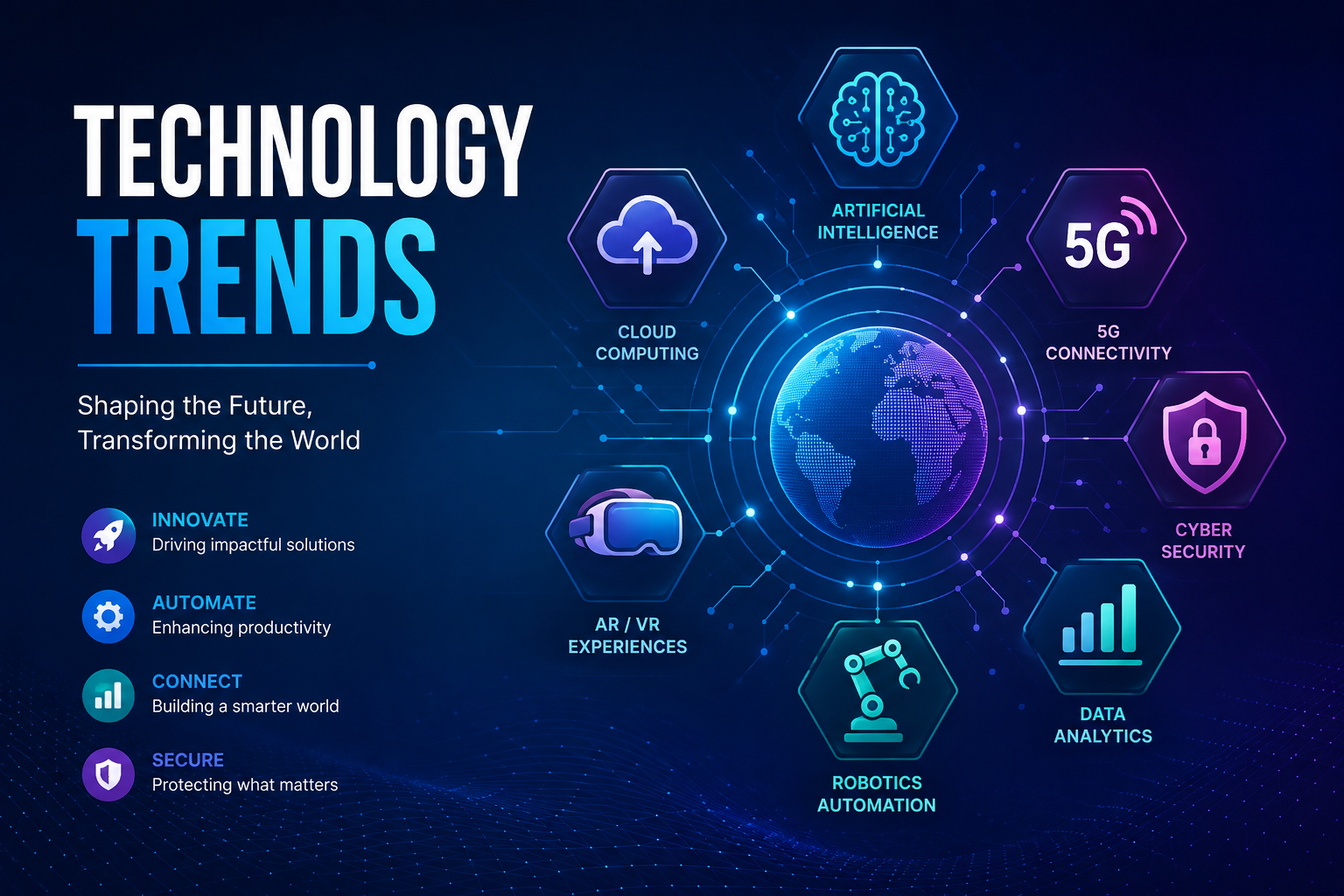
If there’s one trend that’s making the biggest difference for small businesses, it’s automation tools.
Think about the repetitive tasks that eat up hours every week sending follow-up emails, scheduling social posts, generating invoices, answering common customer questions. Automation tools handle a lot of this now, quietly, in the background.
This isn’t about replacing people. It’s about freeing up time so the people running the business can focus on things that actually need a human touch, like building relationships with customers or making bigger decisions.
A small bakery, for example, might use automation to send birthday discount emails automatically. A local repair shop might use it to confirm appointments without anyone picking up the phone. Small changes, but they add up fast.
Cloud Tools Are Leveling the Playing Field
Small businesses used to be at a real disadvantage when it came to technology. Bigger companies could afford servers, IT staff, and expensive software licenses. That gap has shrunk a lot.
Cloud-based tools now let a small team run payroll, manage projects, and store files securely without any of that overhead. You pay for what you use, and you can scale up or down as needed.
This matters especially for businesses with remote or hybrid teams. Cloud access means employees can pull up what they need from anywhere, without emailing files back and forth or worrying about version control chaos.
Cybersecurity Can’t Be an Afterthought
Small businesses are often targeted precisely because they’re assumed to have weaker defenses than larger companies. That assumption is usually correct, which is exactly the problem.
Basic protections two-factor authentication, regular backups, employee training on phishing scams are no longer optional extras. They’re baseline requirements, especially as more transactions and customer data move online.
The good news is that solid cybersecurity doesn’t have to be expensive or complicated. A lot of small businesses can cover their biggest risks with a handful of straightforward habits and a few affordable tools.
AI Is Becoming a Practical Tool, Not Just a Buzzword
AI gets thrown around a lot, but for small businesses, it’s starting to show up in genuinely useful ways. Chatbots that handle basic customer questions after hours. Tools that help draft marketing copy or product descriptions. Systems that flag unusual patterns in sales or expenses before they become real problems.
None of this requires technical expertise to use. Most small business owners are picking up AI-powered tools the same way they’d pick up any other software by trying it, seeing what sticks, and dropping what doesn’t.
Customers Expect a Smoother Experience
This ties a lot of these trends together. Whether it’s mobile payments, faster response times, or personalized recommendations, customers have gotten used to convenience and they now expect it from small businesses too, not just large retailers.
Meeting that expectation doesn’t mean copying what big companies do. It means picking the parts that fit your business and making the experience just a little easier for the people you serve.
Final Thoughts
The technology trends shaping small businesses in 2026 aren’t really about chasing what’s new for the sake of it. They’re about working smarter with the resources you already have. Digital transformation, automation tools, and better cloud and security practices aren’t reserved for big companies anymore they’re becoming standard for anyone trying to stay competitive.
As AtechVibe keeps tracking how these tools play out in the real world, one thing stands out: the small businesses thriving right now aren’t necessarily the ones with the biggest budgets. They’re the ones willing to try new tools, keep what works, and let go of what doesn’t.
