

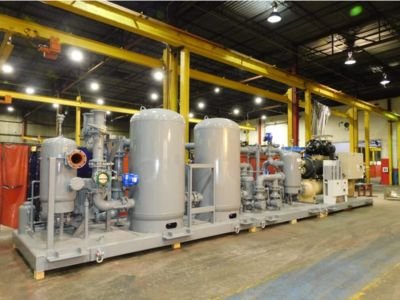
A pressure system fails slowly before it fails. First comes the uneven flow. Then the short cycling, noisy equipment, rising energy use, and service calls that always seem to come at the wrong time. Most problems begin with one mistake: treating the pump as a simple replacement part instead of the center of a complete pressure system.
Long-lasting performance starts with better planning. Building water pressure systems requires the right pump construction, correct operating range, clean material selection, and a design that can handle daily demand without strain. A system built this way not only moves water. It protects operations, reduces avoidable wear, and keeps pressure steady when people depend on it.
Pressure Stability Starts With the Right Pump Choice
Every building has a pressure personality. Some spaces need steady potable water support. Others need reliable flow for cooling water, spray systems, irrigation, water treatment, or pressure maintenance. Each use case places a different demand on the pump.
A strong pressure system begins with accurate matching. The pump must support the required flow rate, working pressure, liquid temperature, and site conditions. When teams skip this step, even a high-quality pump can feel wrong for the job.
The best systems avoid overworking the motor, oversizing the pump, or forcing the equipment to operate outside its intended range. Good selection keeps pressure steady without creating waste inside the system.
Why End Suction Pump Design Works Well
End suction pump design gives many pressure boosting jobs a clean and practical layout. Liquid enters through the suction side, passes through the impeller, and exits through the discharge connection with added pressure. This direct path supports many water-based applications without making the system harder than necessary.
A closed-coupled motor connection adds another advantage. It helps reduce the footprint and supports a more compact installation. That matters in mechanical rooms, packaged systems, and retrofit projects where space rarely feels generous.
This design can support potable water, air conditioning, cooling water, car wash systems, scrubbers, spray systems, and pressure maintenance work. It fits well where teams need dependable movement, clear service access, and a clean system arrangement.
Stainless Steel Construction Matters More Than It Seems
Wetted construction deserves close attention because it touches the liquid every time the pump runs. In clean water and process-related work, material quality affects reliability, corrosion resistance, and long-term system confidence.
Pumps with 304 and 316 stainless steel wetted construction suit many demanding water applications. These materials support cleaner contact surfaces and give engineers a stronger base for potable water, food and beverage, pharmaceutical, and ultrapure water needs.
Building Water Pressure Systems for Real Demand
Building water pressure systems should match real daily usage, not just peak numbers written during early planning. Demand can rise during morning use, drop during quiet hours, and shift again when equipment or occupants place more load on the system.
A well-planned system accounts for these changes. It uses the right pressure target, proper pump sizing, and a layout that does not create extra friction or stress. This approach gives the system a better chance to run for years without constant adjustment.
Pressure boosting work also benefits from a partnership mindset. A strong pump system team can help connect the pump, controls, piping, and application needs into one better plan. That approach reduces guesswork and supports cleaner long-term performance.
Applications That Need Durable Pressure Support
Long-life pressure systems matter across more than one industry. Potable water systems need dependable pressure for daily use. Car wash systems need repeatable flow. Water treatment setups need steady movement through process stages.
Food and beverage, pharmaceutical, and ultrapure water applications need cleaner material choices and careful planning. Cooling water and air conditioning systems need reliability because comfort and process performance often depend on them.
Irrigation and spray systems also need consistent pressure to perform correctly. In each case, the pump should match the fluid, duty cycle, pressure range, and installation environment.
What to Check Before Final Selection?
Before choosing a pump for a pressure system, decision-makers should ask practical questions. What liquid will move through the pump? What pressure must the system maintain? What temperature range will the pump face during daily operation?
The review should also include ambient heat, altitude, available space, material requirements, and maximum working pressure. A listed maximum working pressure of 115 psi gives a defined boundary for system planning.
Building water pressure systems checks may feel basic, but they prevent many costly problems. Strong pressure systems usually come from careful questions asked early, not quick fixes made later.
Final Thoughts
A durable pressure system depends on smart pump selection, clean material choices, correct sizing, and respect for operating limits. End suction pump design, stainless steel wetted construction, closed-coupled motor connection, and potable water certification all support stronger long-term planning.
The best results come from treating the pump as part of a complete system. For pressure boosting, water treatment, cooling, spray, irrigation, and potable water needs, a full system partnership can help turn a standard equipment choice into a lasting operating advantage.
For a pressure system built for years of dependable service, connect with an engineered pump systems specialist and review the application before the next project moves forward.
