

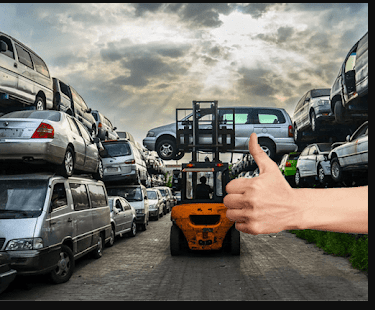
Old, damaged, or unwanted vehicles take space and lose value with time. Many vehicle owners in Sydney keep unused cars because they are unsure about the removal process. Car removal linked with wrecking services follows a clear system that helps owners remove vehicles legally and responsibly. This article explains the full car removal Sydney process for car wreckers in Sydney, step by step, using plain and clear language.
Understanding how the process works helps vehicle owners prepare documents, arrange pickup, and ensure the vehicle is handled under local rules.
Visit: https://www.carremovalsydney.com.au/
Understanding Car Removal and Wrecking Services in Sydney
Car removal is the collection of unwanted vehicles from homes, streets, yards, or business sites. Wrecking focuses on dismantling vehicles after collection. In Sydney, wreckers follow guidelines set by New South Wales authorities for handling scrap vehicles, fluids, and parts.
Vehicles accepted by wreckers include old cars, damaged vehicles, accident cars, non-running cars, rusted vehicles, and written-off cars. Most vehicles qualify if ownership can be proven.
Vehicle Assessment and Basic Details
The process begins with collecting basic details about the vehicle. Owners usually provide:
- Make and model
- Year of manufacture
- Condition of the vehicle
- Whether the car starts or not
- Location within Sydney
These details help determine whether the vehicle is suitable for wrecking. Cars with reusable parts, metal content, or repair value usually move forward in the process.
This stage focuses only on confirming eligibility and planning removal.
Ownership Confirmation and Documents
Before removal, wreckers must confirm legal ownership. This protects both the owner and the service provider.
Common documents include:
- Proof of identity
- Vehicle registration papers, if available
- Any ownership transfer form required under NSW rules
If registration has expired, the vehicle can still be removed. Plates are usually returned to Service NSW by the owner.
This step ensures the vehicle is not stolen or under dispute.
Removal Scheduling in Sydney Areas
Once details and ownership are confirmed, a pickup time is arranged. Sydney has busy traffic zones, residential areas, and commercial districts. Scheduling considers:
- Property access
- Street parking rules
- Local council restrictions
- Size of the vehicle
Tow trucks or loaders are selected based on vehicle condition. Non-drivable cars require different equipment than running vehicles.
This planning helps avoid delays on the day of collection.
Vehicle Pickup and On-Site Checks
On the day of removal, the team arrives at the agreed location. Before loading, final checks are done:
- Vehicle identification number confirmation
- Condition check
- Removal of personal belongings
Once verified, the vehicle is safely loaded. Care is taken to avoid damage to surrounding property, driveways, or fences.
The vehicle is then transported to the wrecking yard.
Transport to Wrecking Facility
After collection, the vehicle is taken to an authorised wrecking facility in or around Sydney. These facilities follow environmental and safety standards required under NSW regulations.
Transport vehicles are designed to handle scrap cars securely. This step ensures the vehicle reaches the yard without fluid leaks or road hazards.
Depollution and Fluid Removal
At the wrecking yard, the first technical step is depollution. This is a legal requirement.
Fluids removed include:
- Engine oil
- Brake fluid
- Coolant
- Fuel
- Transmission fluid
These substances are collected and stored for proper disposal or recycling. This step protects soil, water, and air quality.
Parts Inspection and Dismantling
After depollution, the vehicle moves to dismantling. Skilled workers inspect the car for reusable parts.
Common parts recovered include:
- Engines and gearboxes
- Alternators and starters
- Doors and panels
- Wheels and tyres
- Seats and mirrors
Parts that meet reuse standards are cleaned, tested, and stored. Damaged or worn parts move to recycling.
This process reduces waste and supports the reuse of materials.
Metal Separation and Recycling
Once usable parts are removed, the remaining shell is crushed. Metals are separated based on type.
Materials commonly recovered include:
- Steel
- Aluminium
- Copper
These metals are sent to recycling plants where they are melted and reused in manufacturing. Recycling reduces demand for raw materials and lowers environmental impact.
Record Keeping and Compliance
Wreckers keep records of each vehicle processed. Records include:
- Vehicle details
- Owner information
- Disposal method
These records support compliance with NSW environmental and transport laws. Authorities may inspect yards to ensure proper handling of vehicles.
Why This Process Matters for Sydney Vehicle Owners
Following a structured removal and wrecking process protects owners from legal issues. It ensures vehicles are not dumped illegally and that harmful materials are handled correctly.
This system also supports recycling efforts across Sydney by returning metals and parts back into use.
How Car Wrecking Services Fit Into This Process
Wrecking services play a central role in managing end-of-life vehicles. They handle the technical steps that owners cannot complete on their own. Their facilities are set up to dismantle vehicles safely while following local standards.
Vehicle owners benefit by clearing space and ensuring the car is handled responsibly.
A dedicated service like car wreckers Sydney becomes relevant when a vehicle reaches a point where repair is not practical. Through structured removal, dismantling, and recycling, such services manage unwanted vehicles across Sydney suburbs. For owners dealing with old or damaged cars, this type of service connects the removal stage with lawful wrecking and recycling, ensuring vehicles are not left abandoned or handled outside regulations.
Environmental Impact of Proper Car Removal
Correct car removal and wrecking reduces landfill waste. It also lowers pollution by managing fluids and materials correctly. Recycling metals saves energy compared to producing new materials.
Sydney benefits from reduced illegal dumping and cleaner neighbourhoods when vehicles follow this process.
Common Vehicles Accepted by Wreckers
Most wreckers in Sydney accept:
- Old vehicles
- Accident damaged cars
- Flood affected vehicles
- Non-running vehicles
- Rusted vehicles
The condition affects how the vehicle is processed, not whether it is accepted.
Final Thoughts on the Car Removal Sydney Process
The car removal Sydney process for car wreckers in Sydney follows a clear path. It starts with vehicle details, moves through lawful collection, and ends with dismantling and recycling. Each step exists for safety, legal compliance, and environmental care.
For vehicle owners, understanding this process removes confusion and helps make informed decisions when dealing with unwanted cars.
