

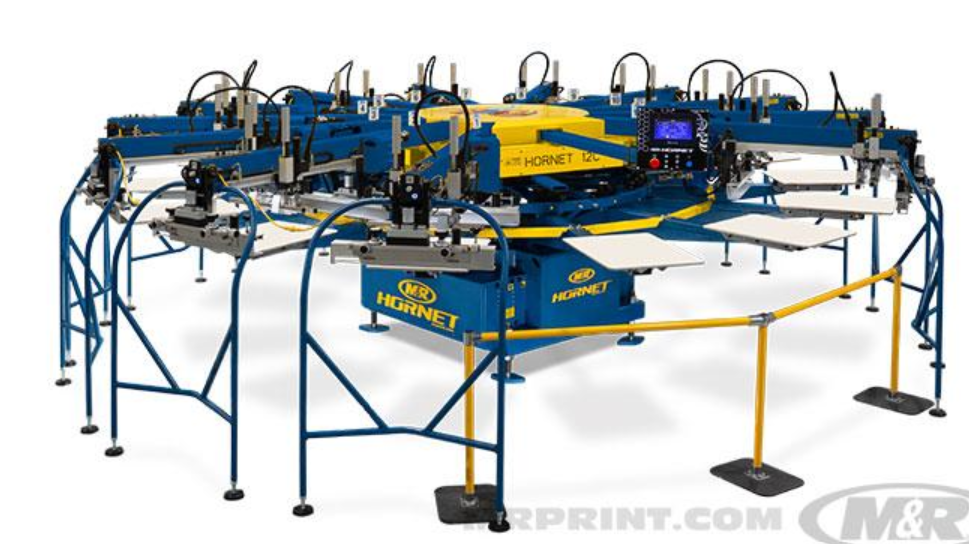
If production demand keeps rising but output stays inconsistent, your equipment may be holding you back. Many shops reach a point where manual processes slow growth and increase errors. That’s usually when the search for a fully automatic screen printing machine begins.
The right choice doesn’t just increase speed. It stabilizes quality, reduces operator strain, and makes large orders manageable. This post walks you through what actually matters when comparing machines, so you invest with confidence and avoid costly mismatches.
Understand what automation really improves.
Automation changes how work flows through your shop. Instead of constant manual adjustments, the machine controls motion, pressure, and timing. That consistency improves repeatability across long production runs. As a result, colors align better, and ink coverage stays uniform.
However, speed alone should not drive your decision. What matters more is stability under continuous operation. When movement stays smooth, and indexing remains precise, output remains predictable. Shops that upgrade often report fewer misprints after switching to a fully automatic screen printing machine. That improvement comes from controlled motion, not just faster cycles.
Also, automation reduces fatigue. Operators shift from constant handling to monitoring performance. That change allows better focus on setup accuracy and quality checks. Over time, improved workflow supports both output volume and print consistency.
Match machine capacity to real production needs
Before comparing models, evaluate your current workload honestly.
- Start with the average order size and peak demand periods. Many buyers overspecify capacity and underuse their equipment. That decision increases costs without delivering real value.
- Focus on platen size, color capacity, and indexing design. These factors determine how efficiently you handle typical jobs. For example, a machine with higher color capability supports complex designs without repeated setups. Likewise, stable indexing ensures smooth transitions between stations.
- Consider how often you switch between garment types. Frequent changeovers require quick adjustment features and reliable locking systems. When adjustments are simple and precise, you reduce downtime significantly. That efficiency is one of the main advantages of an automatic screen printing machine compared to manual setups.
Evaluate control systems and setup flexibility.
Modern machines rely heavily on digital control systems. These systems manage pressure, speed, and alignment with high precision. When controls respond predictably, operators make fewer corrective adjustments during production.
Look for interfaces that allow fine calibration rather than broad adjustments. Precise control supports consistent results across different materials. In addition, programmable settings help repeat jobs quickly. Shops handling recurring orders benefit greatly from saved configurations.
Setup time also matters. Tool-free adjustments and quick-lock features reduce preparation effort. That convenience shortens transition periods between runs. When setup becomes efficient, overall productivity rises naturally.
Another practical factor is monitoring feedback. Machines that display performance metrics help operators identify issues early. Early correction prevents defects and material waste. Therefore, clear feedback systems should influence your choice strongly.
Compare key features before making a decision.
Not every machine offers the same balance of speed, control, and flexibility.
A simple comparison helps clarify priorities and avoid confusion.
| Feature Area | Basic Automation | Advanced Automation |
| Speed consistency | Moderate stability | Highly stable indexing |
| Setup adjustments | Manual fine-tuning | Digital precision control |
| Changeover time | Longer preparation | Quick adjustment systems |
| Production monitoring | Limited feedback | Real-time performance display |
| Output reliability | Varies by operator | Consistent across long runs |
This comparison highlights a common reality. Higher precision systems reduce variability more than they increase speed. That difference becomes important when scaling production. Choosing the right automatic screen printing machine means prioritizing stability and control over raw output numbers.
Think about maintenance and long-term reliability.
Performance today matters, but reliability over time matters more. Even the best equipment requires routine care to maintain precision. Therefore, evaluate how accessible components are for cleaning and inspection.
Machines designed with serviceability in mind simplify maintenance tasks. Easy access to motion systems and adjustment points reduces downtime. In contrast, complex designs may slow repairs and increase service costs.
Preventive care also protects calibration accuracy. When components remain clean and properly adjusted, alignment stays consistent. Shops that follow structured maintenance routines experience fewer unexpected interruptions. That reliability supports predictable scheduling and steady output.
Energy efficiency and noise levels are worth considering, too. Smooth operation often signals a balanced mechanical design. Balanced systems place less strain on components, which extends equipment lifespan naturally.
Plan the transition from manual to automated production
Switching to automation changes the daily workflow. Preparation becomes more important than manual correction. Therefore, training should focus on setup accuracy and system monitoring.
- Start with small production runs to build familiarity. Gradually increase volume as operators gain confidence. This phased approach prevents costly mistakes and builds operational stability.
- Also, reorganize workspace layout if needed. Automated systems require clear movement paths and efficient material handling. A well-planned layout reduces interruptions and supports continuous operation.
- Track performance improvements. Monitor output consistency, setup time, and defect rates. These indicators confirm whether your investment delivers expected benefits.
Over time, most shops see noticeable gains after adopting a fully automatic screen printing machine.
The Final Words
Choosing the right equipment is less about speed and more about control, consistency, and workflow stability. When you match machine capacity to real production needs, evaluate control precision, and plan maintenance properly, automation becomes a reliable growth tool.
A fully automatic screen printing machine helps standardize results, reduce manual effort, and support long production runs without constant correction. Take time to assess your priorities carefully, compare features realistically, and plan the transition thoughtfully.
With the right decision, your shop moves from reactive printing to controlled, confident production every day.
