

Ever wondered what happens to all that rainwater hitting your roof during a storm? What if you could capture it, store it, and use it whenever you need? With water prices climbing and droughts becoming more frequent across Australia, more homeowners and businesses are asking themselves these exact questions.
Underground rainwater storage tanks offer a brilliant solution to these challenges. They’re essentially large containers buried beneath your property that collect and store rainwater for later use. Unlike their above-ground counterparts, these tanks remain hidden from view, freeing up valuable space in your garden or yard. Plus, they keep water cooler and fresher for longer periods.
In this guide, we’ll explore everything you need to know about high-capacity underground rainwater storage tanks. From how they work to installation costs, maintenance tips to choosing the right size, we’ve got you covered. Whether you’re looking to slash your water bills, reduce your environmental footprint, or simply become more self-sufficient, you’ll find practical advice to help you make an informed decision.
What Are High-Capacity Underground Rainwater Storage Tanks?
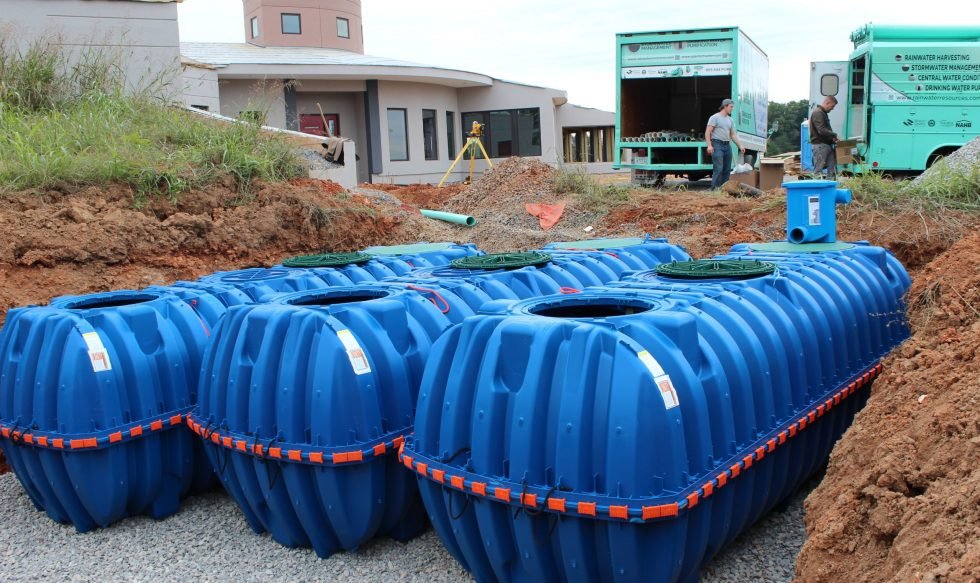
Underground rainwater storage tanks are large vessels installed beneath the ground surface to collect and store rainwater runoff from roofs and other surfaces. These systems typically hold anywhere from 2,000 to 50,000 litres or more, making them ideal for properties with significant water demands.
How Do Underground Rainwater Tanks Work?
The process is surprisingly straightforward. Rainwater falls on your roof and flows into gutters, which channel it through downpipes into a first-flush diverter. This clever device removes the initial dirty water containing dust, leaves, and debris. The clean water then flows into the underground tank through inlet pipes.
When you need water, a pump draws it from the tank and delivers it to your home or irrigation system. Many setups include filtration systems to ensure water quality meets your specific needs, whether for garden use or household applications.
Types of Underground Water Storage Tanks
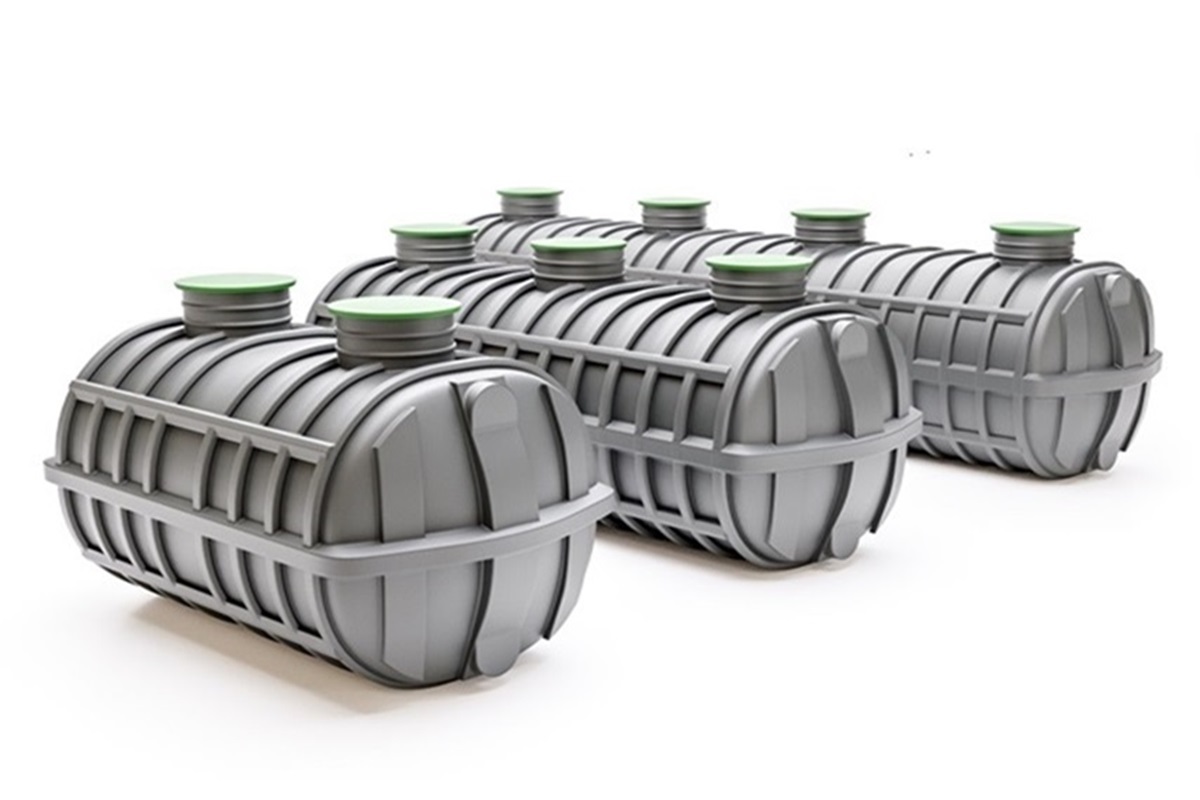
You’ll find several options when shopping for underground tanks. Concrete tanks are incredibly durable and can last decades with proper care. Polyethylene (poly) tanks are lighter, easier to install, and resistant to corrosion. Fibreglass tanks offer excellent strength-to-weight ratios, while steel tanks provide robust options for commercial applications.
Each material has its advantages depending on soil conditions, budget, and intended use. Your choice will largely depend on your property’s specific requirements.
What Size Underground Water Tank Do I Need?
Sizing depends on several factors: your average rainfall, roof catchment area, water usage patterns, and storage goals. A typical Australian household uses around 200,000 litres annually. Many experts recommend calculating your roof’s catchment potential and matching it with your water demands.
For residential properties, tanks between 5,000 and 20,000 litres work well. Commercial sites often require 50,000 litres or more. A professional installer can help you determine the optimal size for your situation.
Benefits of Underground Rainwater Storage Tanks Harvesting Systems
Space-Saving Water Storage Solutions
One of the biggest draws is the space efficiency. Unlike bulky above-ground tanks that dominate your backyard, underground systems remain completely hidden. Your garden stays pristine, and you maintain full use of your outdoor areas. This makes them particularly attractive for urban properties where space comes at a premium.
Long-Term Cost Savings on Water Bills
While the upfront costs are higher, underground tanks deliver impressive savings over time. Depending on your water usage and tank size, you could reduce mains water consumption by 40-60%. For a typical household, this translates to hundreds of dollars saved annually. Over a 20-30 year tank lifespan, the savings really add up.
Environmental Benefits of Rainwater Collection
Beyond your wallet, rainwater harvesting benefits the environment significantly. It reduces stormwater runoff, which helps prevent erosion and minimises pollution entering waterways. You’re also decreasing demand on municipal water supplies and the energy required to treat and pump that water.
Is an Underground Rainwater Storage Tanks Worth It?
Underground vs Above Ground Water Tanks: Which is Better?
Both options have merit. Above-ground tanks cost less upfront and are easier to install. However, underground tanks offer better aesthetics, protect water from sunlight and algae growth, and maintain cooler temperatures.
Underground systems also eliminate frost risk in cooler regions and don’t take up precious yard space. If you’re building a new home or renovating, incorporating an underground tank during construction significantly reduces installation costs.
How Long Do Underground Water Tanks Last?
Quality underground tanks are built to last. Concrete tanks often exceed 50 years with minimal maintenance. Poly tanks typically last 20-25 years, while fibreglass options can reach 30 years or more. Proper installation and regular maintenance are key to maximising lifespan.
Underground Rainwater Storage Tanks Installation: What to Expect
Understanding the installation process helps you prepare and budget accordingly
Can You Install an Underground Water Tank Yourself?
While technically possible for smaller tanks, DIY installation isn’t recommended. Professional installers have the equipment and expertise to ensure proper excavation, backfilling, and connection. Incorrect installation can lead to structural damage, water contamination, or tank failure. The relatively small savings from DIY don’t justify the risks.
Site Assessment and Preparation Requirements
Before installation, professionals assess soil type, groundwater levels, and access for excavation equipment. They’ll check for underground services like pipes and cables. The site needs proper drainage to prevent groundwater pressure on the tank. Most installations take 2-5 days depending on complexity.
Choosing the Best Underground Rainwater Storage Tanks for Your Property
Selecting the right tank involves weighing several important factors
Materials: Concrete vs Poly Underground Tanks
Concrete tanks excel in durability and can handle heavy vehicle traffic above. They’re ideal for driveways and high-traffic areas. However, they require crane access for installation and cost more upfront.
Poly tanks are lighter, more affordable, and resist chemical corrosion. They’re easier to transport and install in tight spaces. Many homeowners find poly tanks offer the best balance of performance and value.
Capacity Options for Residential and Commercial Use
Residential tanks typically range from 2,000 to 25,000 litres. Consider your roof area, local rainfall patterns, and water usage when choosing capacity. Commercial properties often need modular systems that can be expanded as requirements grow.
Key Features to Look for When Buying
Quality tanks include:
- Sturdy inlet and outlet fittings
- Lockable inspection points
- Overflow systems
- Smooth internal surfaces for easy cleaning
- Manufacturer warranties of at least 10 years
Maintenance and Care for Underground Rainwater Storage Tanks
How Often Should Underground Tanks Be Cleaned?
Most tanks need inspection annually and thorough cleaning every 2-3 years. Check inlet screens monthly and clear debris from gutters regularly. First-flush diverters require quarterly maintenance to function correctly.
Common Problems and How to Prevent Them
Algae growth, sediment buildup, and mosquito breeding are common issues. Prevent them by ensuring light-tight fittings, using insect-proof screens, and maintaining proper filtration. Address any cracks or leaks immediately to prevent contamination.
Making the Smart Choice for Water Storage
Underground rainwater storage tanks represent a smart investment for Australians serious about water security and sustainability. They offer unmatched space efficiency, long-term cost savings, and environmental benefits that above-ground alternatives simply can’t match.
When choosing your system, consider your property’s specific needs, local rainfall patterns, and budget. Quality materials and professional installation pay dividends through decades of reliable service. Don’t forget to explore available rebates that can significantly offset your initial costs.
Whether you’re building new or retrofitting an existing property, an underground rainwater storage tanks positions you for a more sustainable future. With water becoming increasingly precious, there’s never been a better time to capture nature’s gift and put it to work for you. Ready to get started? Reach out to local installers for quotes and take the first step toward water independence.
