

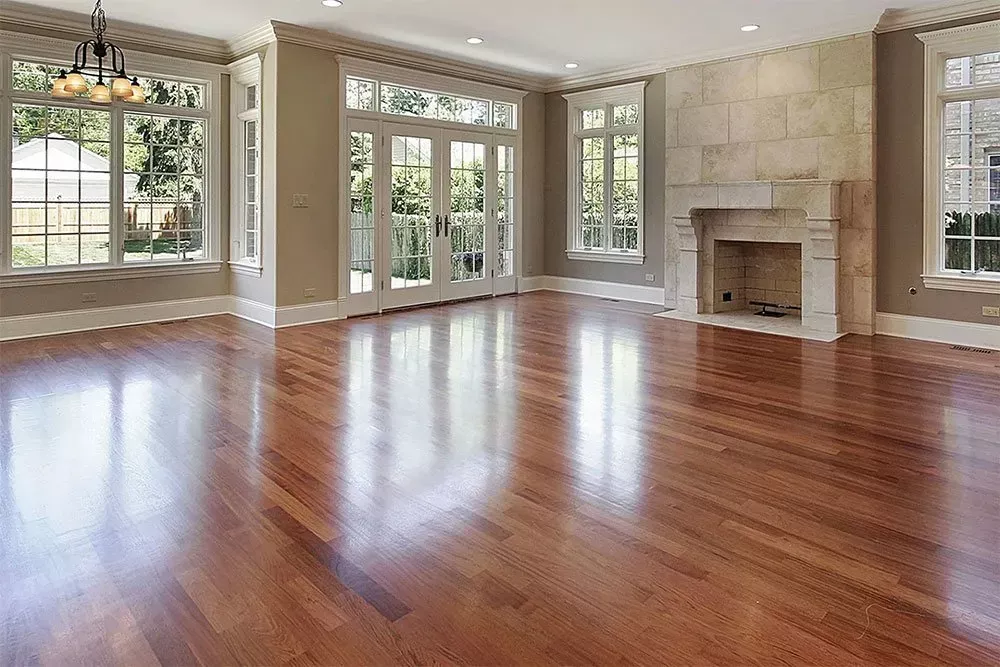
You notice it one afternoon. The shine isn’t the same anymore. Light hits your floor, and instead of that smooth glow, you see dull patches, faint scratches, maybe even worn-out spots near doorways. It doesn’t look damaged, not exactly… just tired. That’s usually the moment Hardwood floor recoating starts to make sense. Not a full replacement, not even heavy sanding. Just a smart way to bring life back without tearing everything apart.
Why Floors Lose Their Finish Over Time
Hardwood floors go through a lot more than you think. Daily foot traffic, furniture movement, and even tiny dust particles slowly wear down the protective layer. It doesn’t happen overnight, which is why it’s easy to ignore at first.
But over time, the finish starts fading. The wood underneath becomes more exposed, and that’s when scratches appear faster. A proper wood floor recoating service adds that protective layer back before deeper damage sets in. It’s like giving your floor a second chance before things get complicated.
What Is Hardwood Floor Recoating Really About
When people hear about Hardwood floor recoating, they often assume it’s the same as refinishing. It’s not. Recoating focuses on the top layer, the finish. There’s no deep sanding into the wood. Instead, the existing surface is lightly prepared, and a fresh coat is applied. This restores shine, smoothness, and protection.
It’s quicker, less disruptive, and honestly, much easier to manage if your floors are still in decent shape. You’re not starting over. You’re preserving what’s already there.
Signs Your Floors Need Recoating Now
Sometimes it’s obvious. Other times, not so much.
You might notice:
- Dull or uneven shine across rooms
- Light scratches that seem more visible lately
- Areas near entryways looking worn faster
- Floors feeling rough underfoot
These are early signs. And catching them early is key. Waiting too long can lead to deeper damage that requires full sanding instead. A timely wood floor recoating service helps you avoid that bigger, more expensive process.
How Hardwood Floor Recoating Improves Daily Living
It’s not just about appearance, though that’s the first thing you notice. When you go for Hardwood floor recoating, your floors become easier to clean. Dust and dirt don’t settle into worn-out spots as easily. You’ll also feel the difference underfoot—smoother, more even.
And there’s something else. The room itself feels brighter. A refreshed floor reflects light better, which changes how your entire space looks without touching anything else.
The Process Feels Simpler Than Expected
If you’re imagining a long, messy project, that’s not how recoating usually works. The process starts with cleaning and preparing the surface. Then a new protective finish is applied carefully. Depending on the space, it can often be completed faster than you’d expect.
There’s minimal disruption compared to full refinishing. No heavy sanding dust everywhere. Just a controlled, focused job that gets results.
Why Professional Work Matters Here
It might seem like something simple enough to handle alone. But getting the finish right takes experience. A professional wood floor recoating service knows how to prepare the surface correctly. That step matters more than most people realize. If it’s rushed or uneven, the new coat won’t bond properly.
Also, choosing the right finish—matte, satin, or gloss—affects the final look. A trained eye helps match it to your space so it doesn’t feel out of place.
Avoiding Common Mistakes Homeowners Make
One common mistake? Waiting too long. Once scratches go deep into the wood, recoating won’t be enough. You’ll need sanding, which is more time-consuming and costly.
Another issue is using the wrong cleaning products. Some harsh chemicals wear down the finish faster. It’s small things like this that quietly shorten your floor’s lifespan. Regular care, along with timely recoating, keeps everything in better shape.
How Often Should You Recoat
There’s no fixed rule, but generally, every few years works for most homes. It depends on foot traffic, pets, and daily use.
If your home sees a lot of activity, you might need it sooner. If not, you can wait a bit longer. The key is to watch the signs rather than follow a strict timeline. Think of it as maintenance, not repair.
Conclusion: Why Hardwood Floor Recoating Is Worth It
Floors don’t ask for much, but they carry a lot—literally. Taking care of them early makes a noticeable difference. Hardwood floor recoating isn’t about changing your space completely. It’s about restoring what’s already there and protecting it for years ahead.
With the right timing and a reliable wood floor recoating service, you avoid bigger problems and keep your floors looking the way they should. And once you see that fresh finish again, it’s hard to believe how much difference one simple step can make.
