

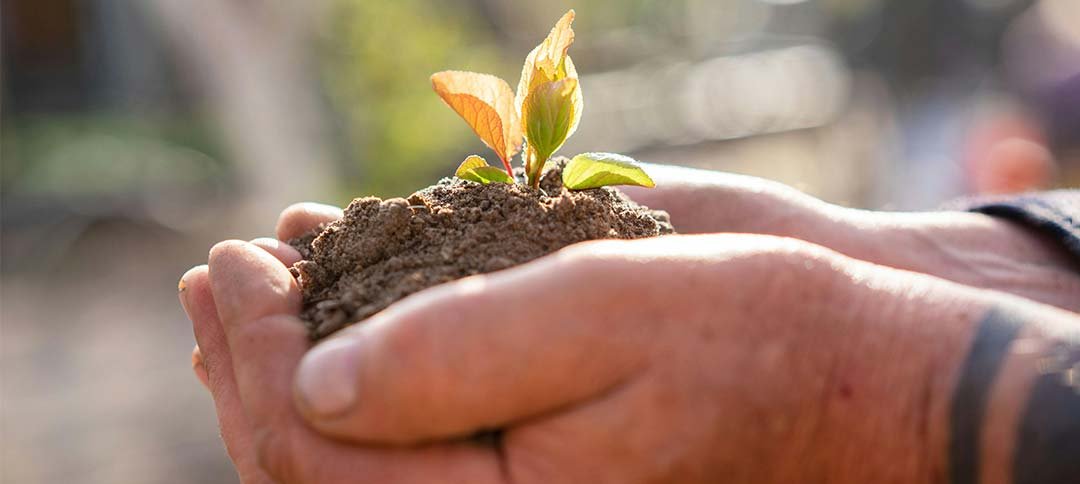
Wildlife habitats form the foundation of life for countless species by providing essential resources such as food, water, shelter, and breeding spaces. These ecosystems maintain natural balance and support biodiversity across forests, oceans, grasslands, and wetlands. Environmental changes are reshaping these habitats at a rapid pace, affecting survival conditions for many species. Both natural processes and human-driven activities contribute to these shifts, creating long-term ecological pressure. An Environmental Nonprofit plays an important role in raising awareness and supporting conservation efforts. Understanding these impacts is necessary for protecting wildlife and maintaining ecological stability.
Wildlife Habitats
Wildlife habitats are specific natural environments where plants, animals, and microorganisms live and interact. Each habitat provides essential elements required for survival, including food sources, water supply, shelter, and space for movement and reproduction. Species are adapted to particular environmental conditions, which makes their survival dependent on stable ecosystems. Forests, deserts, wetlands, and marine areas all support different forms of life. Habitat quality directly influences biodiversity levels, as healthy environments support a wider variety of species and stable ecological relationships across food chains and natural cycles.
Major Environmental Changes Affecting Wildlife Habitats
Environmental changes affect wildlife habitats through multiple natural and human-driven factors that disrupt ecosystem stability.
- Climate change and rising global temperatures disrupt natural ecosystems
- Deforestation and loss of vegetation reduce shelter and food availability
- Urban expansion and infrastructure development fragment natural landscapes
- Pollution of land, water, and air damages ecosystem health
- Changes in rainfall patterns and prolonged droughts reduce water sources
- Natural disasters such as floods, wildfires, and storms destroy habitats
Each factor alters habitat conditions by reducing resources, damaging ecosystems, and forcing wildlife to adapt to unstable environments.
Effects of Climate Change on Wildlife Habitats
Climate change significantly affects wildlife habitats by altering temperature patterns, seasonal cycles, and long-term weather conditions. Rising global temperatures impact forests, wetlands, and grasslands by changing plant growth and water availability. Coastal ecosystems face threats from sea level rise, while drought conditions reduce vegetation in dry regions. Many species migrate to cooler areas or higher altitudes to survive. However, animals with limited mobility or strict habitat requirements struggle to adjust, increasing risks of population decline and ecosystem imbalance.
Habitat Loss and Fragmentation
Habitat loss occurs when natural environments are destroyed or permanently altered due to human development or environmental degradation. Fragmentation divides large ecosystems into smaller, isolated patches through roads, cities, and agricultural expansion. This separation restricts animal movement and reduces access to essential resources. Wildlife often faces difficulty finding mates, food, and safe breeding grounds. Isolated populations become more vulnerable to predators and environmental stress, leading to reduced genetic diversity and weaker long-term survival prospects for many species.
Impact on Food Sources and Biodiversity
Environmental changes directly affect plant growth, which reduces food availability for herbivores and disrupts predator-prey relationships. When vegetation declines, entire food chains become unstable, affecting multiple species within the ecosystem. Reduced biodiversity weakens ecological resilience, making habitats less capable of recovering from disturbances. Species loss also impacts natural processes such as pollination, seed dispersal, and nutrient cycling. Maintaining biodiversity is essential for ecosystem stability, as it ensures balance between species interactions and supports long-term environmental health.
Wildlife Adaptation and Survival Challenges
Some wildlife species adapt to environmental changes through behavioral, physical, and migratory adjustments. Animals may alter feeding habits, breeding cycles, or movement patterns to match new conditions. Migration to more suitable habitats becomes a common survival strategy for many species. However, animals with specialized habitat needs often struggle to adapt quickly. Rapid environmental changes can exceed natural evolutionary processes, leaving vulnerable species at risk of decline. Limited adaptability increases extinction risks, especially in highly altered or fragmented ecosystems.
Conservation Efforts to Protect Wildlife Habitats
Conservation efforts focus on protecting and restoring wildlife habitats through various strategies. Habitat restoration projects rebuild damaged ecosystems by replanting vegetation and improving natural conditions. Protected areas safeguard critical habitats from human interference and environmental degradation. Wildlife corridors connect fragmented landscapes, allowing safe movement between habitats. Community participation encourages responsible environmental practices, while education programs increase awareness of conservation needs. Scientific research also supports better habitat management by providing data-driven insights for long-term ecosystem protection and biodiversity preservation.
Conclusion
Environmental changes significantly impact wildlife habitats by altering ecosystems, reducing biodiversity, and disrupting food chains. Climate change, habitat loss, pollution, and natural disasters all contribute to environmental stress on wildlife populations. Healthy habitats are essential for maintaining ecological balance and supporting species survival. Conservation initiatives, sustainable practices, and habitat restoration efforts play a critical role in protecting natural environments. Collective action from individuals, organizations, and governments is necessary to preserve biodiversity and ensure stable ecosystems for future generations.
