

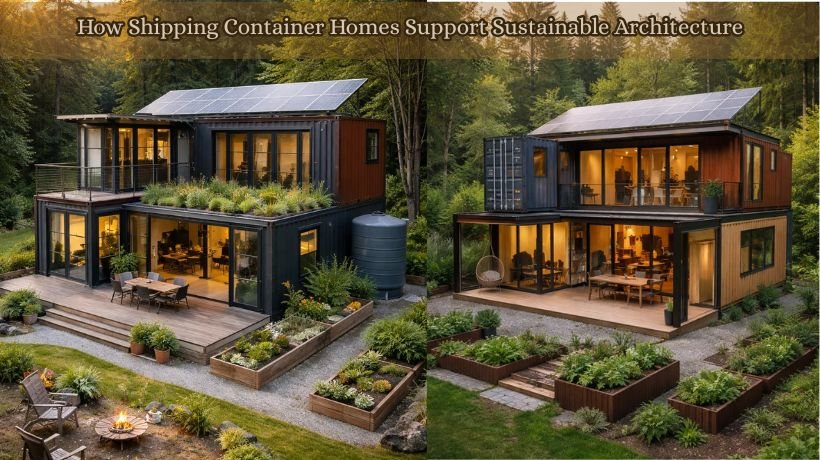
Sustainable architecture has become an essential part of modern construction as people increasingly look for eco-friendly and cost-effective housing solutions. One of the most innovative approaches in this field is Shipping Container Homes, which combine modern design with environmental responsibility. By repurposing used steel containers into livable spaces, these homes reduce construction waste, save resources, and promote greener living. Their growing popularity reflects the shift toward sustainable building practices that prioritize efficiency, durability, and reduced environmental impact.
Reusing Existing Materials
One of the strongest ways container homes support sustainable architecture is through the reuse of existing materials. Instead of allowing used containers to remain abandoned in ports or storage yards, they are transformed into practical living spaces. This process gives old steel structures a second life and significantly reduces industrial waste.
Traditional construction relies heavily on raw materials such as bricks, cement, sand, and steel, all of which require large amounts of energy to produce. By using existing containers as the primary framework, builders can reduce the need for new materials and help conserve natural resources.
Reducing Construction Waste
Conventional building projects often create large volumes of waste, including broken materials, packaging, wood scraps, and excess concrete. In contrast, container homes generate far less waste because the basic structure is already in place.
Much of the design and modification work, such as insulation, plumbing, and electrical fittings, can be completed off-site. This prefabricated construction method reduces on-site waste and supports cleaner building practices, making it a strong example of sustainable architecture.
Lower Carbon Footprint
Another important benefit is the reduced carbon footprint. Since shipping containers already exist as durable steel units, less energy is required to create the structural shell of the home. This lowers the emissions associated with manufacturing new construction materials.
In addition, the shorter construction timeline means fewer transportation trips, less machinery usage, and lower fuel consumption. These factors collectively contribute to a more environmentally friendly building process.
Energy-Efficient Design Possibilities
Container homes can easily be designed to maximize energy efficiency. Features such as insulated walls, energy-saving windows, solar panels, LED lighting, and natural ventilation systems help reduce energy consumption.
With proper design, these homes can maintain comfortable indoor temperatures while minimizing the need for excessive cooling or heating. This is especially important in regions with hot climates, where energy use for air conditioning can be high.
Compact and Space-Efficient Living
Sustainable architecture also focuses on efficient use of space, and container homes align perfectly with this concept. Their compact structure encourages smart interior planning and minimalistic living.
By optimizing every square foot, container homes reduce unnecessary material usage and promote a more conscious lifestyle. This efficient use of space supports the principles of sustainable and responsible architecture.
Durability and Long Lifespan
Shipping containers are built to withstand harsh weather conditions and heavy loads during transportation. Their strong steel framework makes them highly durable and resistant to wear and tear.
A longer building lifespan means fewer repairs, renovations, and replacements over time. This durability contributes to sustainability by reducing long-term material consumption.
Adaptability in Modern Architecture
Container homes are highly flexible in design and can be adapted into single-unit homes, multi-story residences, offices, cafes, or vacation spaces. Architects can combine multiple containers to create spacious and visually appealing layouts.
This adaptability allows sustainable design concepts to be implemented in urban, suburban, and remote environments alike.
Growing Popularity in Urban Markets
Container-based housing solutions are becoming increasingly popular in modern cities and international markets. For example, demand for Container House in Dubai is growing as developers and homeowners seek innovative, eco-friendly alternatives to traditional housing.
This trend highlights the global relevance of sustainable architecture and the increasing preference for environmentally responsible construction methods.
Conclusion
Shipping container homes strongly support sustainable architecture by reusing materials, reducing waste, lowering carbon emissions, and enabling energy-efficient designs. Their durability, flexibility, and efficient use of space make them a smart solution for modern eco-conscious living.
As the demand for sustainable construction continues to rise, container homes are set to play a major role in shaping the future of architecture.
