

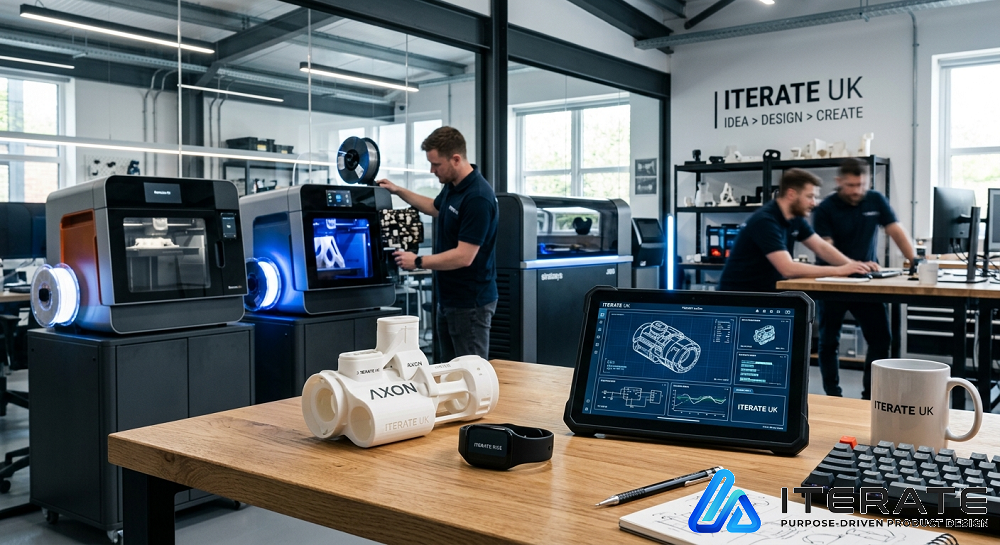
Technology is becoming increasingly integrated into everyday life, and one of the most noticeable trends is the rise of wearable devices. From fitness trackers to smartwatches and medical monitoring tools, these innovations are reshaping how people interact with technology. At the centre of this transformation is Wearable Technology Development, a multidisciplinary process that combines engineering, design, and user experience.
Developing wearable technology is complex, requiring expertise across hardware, software, and human-centred design. Many businesses collaborate with a Product Design And Development Company to manage this complexity and bring ideas to market effectively.
This article explores the key aspects of Wearable Technology Development, including its processes, challenges, benefits, and future trends, providing a clear and informative guide for general readers.
What Is Wearable Technology Development
Wearable Technology Development refers to the creation of electronic devices that can be worn on the body as accessories, clothing, or implants. These devices are designed to perform specific functions while being comfortable, lightweight, and easy to use.
Common examples include:
- Fitness trackers that monitor physical activity
- Smartwatches that provide notifications and apps
- Health devices that track heart rate or sleep patterns
- Smart glasses and augmented reality devices
The development process involves integrating sensors, connectivity, and software into compact, wearable forms.
Key Components of Wearable Devices
Sensors
Sensors are the core of wearable technology. They collect data such as movement, temperature, heart rate, or environmental conditions.
Connectivity
Wearable devices often connect to smartphones or other systems using Bluetooth, Wi-Fi, or cellular networks.
Power Systems
Battery life is a critical consideration. Devices must be energy-efficient while maintaining performance.
Software and Applications
Software processes the data collected by sensors and presents it in a user-friendly way.
Materials and Ergonomics
Wearables must be comfortable and durable. Materials and design play a key role in user acceptance.
The Role of a Product Design And Development Company
A Product Design And Development Company supports the creation of wearable devices by providing expertise in multiple areas, including:
- Industrial design and ergonomics
- Electronic engineering
- Software development
- Prototyping and testing
- Manufacturing support
These companies help ensure that wearable devices are functional, attractive, and ready for market.
The Wearable Technology Development Process
Idea and Concept Development
The process begins with identifying a problem or opportunity. For example, improving health monitoring or enhancing communication.
Research and Feasibility
This stage involves analysing market demand, technical feasibility, and potential challenges.
Design and Engineering
Designers and engineers work together to create the device’s structure and functionality. This includes selecting components and defining system architecture.
Prototyping
Prototypes are built to test the concept. This allows developers to identify issues and make improvements.
Testing and Validation
Devices are tested for performance, durability, and user experience. For medical wearables, regulatory compliance is also essential.
Manufacturing and Launch
Once validated, the product moves into production and is prepared for market release.
Importance of User-Centred Design
Wearable devices are unique because they are worn directly on the body. This makes user-centred design a critical aspect of Wearable Technology Development.
Comfort and Fit
Devices must be comfortable for extended use. Poor design can lead to discomfort and reduced adoption.
Ease of Use
Interfaces should be intuitive, allowing users to interact with the device بسهولة and efficiently.
Aesthetics
Appearance matters, especially for consumer products. Wearables should align with personal style and preferences.
Accessibility
Design should consider diverse users, including those with different physical abilities.
Applications of Wearable Technology
Healthcare
Wearable devices are widely used in healthcare for monitoring vital signs and managing chronic conditions.
Fitness and Wellness
Fitness trackers and smartwatches help users monitor activity levels and improve health.
Workplace Safety
Wearables can enhance safety by monitoring environmental conditions and worker health.
Entertainment and Gaming
Augmented reality and virtual reality wearables offer immersive experiences.
Industrial Use
In industries such as manufacturing, wearables can improve efficiency and communication.
Benefits of Wearable Technology Development
Improved Health Monitoring
Wearables provide real-time data, enabling early detection of potential health issues.
Enhanced Productivity
Devices can streamline tasks and improve efficiency in both personal and professional settings.
Data-Driven Insights
Collected data helps users make informed decisions about their health and activities.
Innovation Opportunities
Wearable technology opens new possibilities for businesses and industries.
Competitive Advantage
Companies that invest in Wearable Technology Development can differentiate themselves in the market.
Challenges in Wearable Technology Development
Technical Complexity
Integrating multiple components into a small device requires advanced engineering skills.
Battery Limitations
Balancing performance with battery life is a significant challenge.
Data Privacy and Security
Wearables collect sensitive data, making security a critical concern.
Regulatory Compliance
Medical and health-related devices must meet strict regulatory standards.
Cost Management
Developing wearable technology can be expensive, particularly during the prototyping and testing stages.
The Role of Emerging Technologies
Artificial Intelligence
AI can analyse data collected by wearables, providing personalised insights and recommendations.
Internet of Things
Wearables are part of the broader Internet of Things ecosystem, connecting with other devices and systems.
Advanced Materials
New materials are improving comfort, durability, and functionality.
Flexible Electronics
Flexible and stretchable electronics enable more innovative and comfortable designs.
Sustainability in Wearable Technology
Sustainability is becoming increasingly important in product development. In Wearable Technology Development, this includes:
- Using eco-friendly materials
- Designing for energy efficiency
- Reducing electronic waste
- Extending product lifespan
A Product Design And Development Company can incorporate sustainable practices into the design process.
Future Trends in Wearable Technology
Health and Medical Advancements
Wearables are expected to play a larger role in healthcare, including remote monitoring and diagnostics.
Integration with Daily Life
Devices will become more seamlessly integrated into clothing and accessories.
Improved Connectivity
Faster and more reliable connectivity will enhance device performance.
Personalisation
Wearables will offer more customised experiences based on user preferences and data.
Miniaturisation
Advances in technology will enable smaller, more discreet devices.
Practical Considerations for Businesses
Understanding User Needs
Successful products address real user problems and provide clear value.
Collaborating with Experts
Working with a Product Design And Development Company ensures access to specialised knowledge.
Investing in Research
Thorough research helps identify opportunities and reduce risks.
Planning for Scalability
Products should be designed to support future growth and demand.
Ensuring Compliance
Meeting regulatory requirements is essential, particularly for health-related devices.
Conclusion
Wearable Technology Development is transforming how people interact with technology, offering new ways to monitor health, improve productivity, and enhance daily life. However, developing successful wearable devices requires a careful balance of engineering, design, and user experience.
By working with a Product Design And Development Company, businesses can navigate the complexities of development and bring innovative products to market. From concept to production, a structured and user-focused approach ensures that wearable technology meets both functional and user needs. As technology continues to evolve, wearable devices will become even more advanced and integrated into everyday life. Businesses that embrace Wearable Technology Development today will be well-positioned to lead the innovations of tomorrow.
