

Most people don’t think much about their walls. They think about boilers breaking down, cold drafts around windows, and maybe a roof leak if things get bad enough. Walls? Usually ignored. Until the heating bills keep climbing and the house still feels cold anyway.
That’s where retrofit exterior wall insulation starts making sense. Not as some trendy upgrade people brag about online, but as a practical fix that actually changes how a building performs day after day. It’s one of those investments that looks expensive upfront, sure, but over time, it quietly pays for itself in comfort, energy savings, and less strain on the building overall.
And honestly, older homes need it more than most people realize.
Why Older Buildings Lose So Much Heat
A lot of older properties were built before energy efficiency was even part of the conversation. Solid brick walls. No cavity insulation. Thin construction. Heat just escapes straight through the walls like money disappearing out of an open window.
You can crank the thermostat all night and still wake up feeling cold.
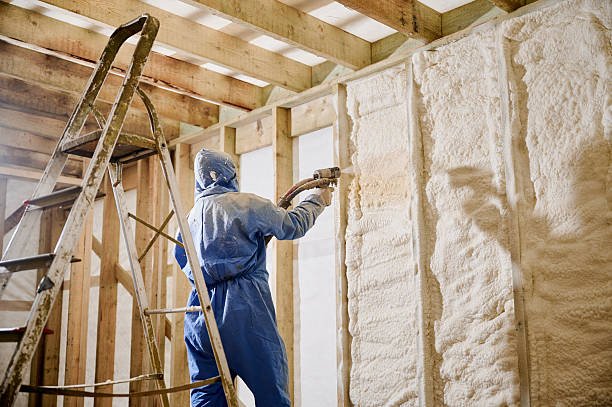
Exterior wall insulation changes that equation. Instead of trying to trap heat inside weak walls, the building gets wrapped from the outside with insulating materials and protective finishes. It creates a thermal barrier around the structure. Simple idea, really.
The difference can feel immediate. Rooms stay warmer longer. Temperatures become more stable. Less damp, too, in many cases, because cold surfaces inside the house are reduced.
Not magic. Just better building physics.
Retrofit Exterior Wall Insulation Isn’t Just About Heat
People usually focus on energy savings first, because that’s the obvious thing. But there’s more going on than just lower bills.
A properly insulated exterior helps protect the structure itself. Rain exposure, temperature swings, and moisture build-up — all that constant stress on brick and masonry gets reduced. Buildings age more slowly when they’re protected properly. Makes sense if you think about it.
Noise reduction improves, too. Especially in busy urban areas where traffic never really shuts up.
And then there’s comfort. Real comfort, not brochure comfort. Walls stop feeling icy. Drafts become less noticeable. You stop hovering near radiators all winter like it’s 1987.
Some homeowners don’t realize how uncomfortable their place actually is until after the insulation goes in.
The Cost Debate Always Comes Up
Yeah, it’s not cheap. No point pretending otherwise.
Retrofit projects involve scaffolding, materials, labor, surface preparation, and finishing work. Depending on the size of the property, costs can add up fast. That scares people off sometimes.
But short-term thinking usually costs more eventually.
Energy prices aren’t magically dropping forever. Buildings with poor thermal performance become expensive to maintain over time. And regulations around efficiency keep getting tighter, too. Buyers notice these things now.
A house that leaks heat constantly becomes harder to justify financially.
The long-term return is where retrofit exterior wall insulation starts looking smarter. Lower heating demand year after year. Reduced maintenance stress. Better property value. The math slowly swings in your favor, even if the upfront bill stings a little.
That’s just reality.
It’s Becoming Common in Commercial Projects Too
This isn’t only a residential trend anymore. A lot of commercial building insulation projects are now centered around retrofit upgrades because older office blocks, schools, warehouses, and public buildings waste massive amounts of energy.
Some of those buildings are basically giant heaters for the outdoors.
Businesses are under pressure to reduce operational costs and improve sustainability targets at the same time. Exterior insulation helps with both. Lower heating and cooling loads can make a big difference over several years, especially in larger facilities where energy consumption is constant.
And unlike flashy tech upgrades that become outdated quickly, insulation keeps doing its job quietly for decades.
That matters.
Choosing the Right System Actually Matters
Not every insulation system works for every building. This part gets overlooked way too often.
Some walls need breathable materials because trapped moisture can become a problem. Others need stronger impact-resistant finishes, especially in commercial environments or exposed weather zones. Thickness matters too. So does installation quality.
Bad installation ruins good materials.
There are properties where external insulation isn’t suitable at all, particularly historic buildings with protected facades. In those cases, internal insulation may be the only option, though it comes with compromises.
The point is, retrofit work needs proper assessment before anyone starts attaching boards to walls and hoping for the best.
That approach usually ends badly.
The Visual Upgrade Is a Bonus
One thing people rarely mention enough — exterior insulation can completely refresh how a property looks.
Old stained render, tired brickwork, weather damage, and cracks. A retrofit project often gives the building a cleaner, updated appearance alongside the performance upgrade. It’s not purely cosmetic, but the visual improvement definitely helps.
Some buildings end up looking twenty years newer afterward.
For landlords and property owners, that matters more than they sometimes admit.
Smarter Homes Need Better Building Envelopes
Smart thermostats and energy apps get all the attention these days, but honestly, none of that means much if the building envelope itself performs badly.
You can’t outsmart heat loss with gadgets alone.
Good insulation creates the foundation for efficiency. Once heat stays where it’s supposed to stay, every other system works better. Boilers cycle less. Heat pumps operate more effectively. Indoor temperatures stabilize naturally.
That’s the part people miss. Retrofit exterior wall insulation isn’t really about adding another feature to a building. It’s about fixing one of the core weaknesses older structures have had for decades.
And once it’s done properly, you stop fighting the building all the time.
Conclusion
In the bigger picture, retrofit exterior wall insulation is less about trends and more about common sense. Buildings that waste energy cost more to run, feel worse to live in, and age faster under constant environmental stress.
The upfront investment can feel heavy at first. Fair enough. But over the long haul, the savings, comfort improvements, and structural protection start stacking up quietly year after year.
That’s exactly why more homeowners and more commercial building insulation projects are moving toward retrofit solutions now. Not because it sounds impressive. Because the buildings actually perform better afterward. Simple as that.
