

Gynaecological cancers such as cervical, ovarian, and uterine cancers often require surgery as a key part of treatment. Over the years, surgical approaches have evolved to improve patient outcomes and reduce recovery time. Among these advancements, robotic-assisted procedures have gained attention for their ability to provide precise, controlled surgical care.
Robotic surgery for gynaecological cancers is increasingly used in specialised healthcare settings to manage complex cases with improved accuracy. It allows surgeons to perform delicate procedures with better visual clarity and control, which can influence both surgical outcomes and patient recovery. This approach also supports better planning and execution in procedures that require careful removal of affected tissues.
What Is Robotic Surgery in Gynaecological Cancer Treatment
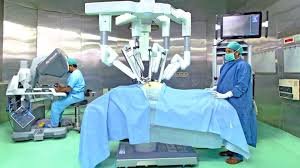
Robotic surgery is a minimally invasive technique in which the surgeon operates from a console that controls robotic instruments. These instruments move in response to the surgeon’s hand movements but with greater precision and flexibility. A high-definition camera provides a detailed, magnified view of the surgical area.
This approach enables the surgeon to perform intricate procedures through small incisions. The technology supports careful handling of tissues and helps maintain accuracy during critical stages of surgery. It is important to note that the surgeon remains fully in control throughout the procedure. The system acts as an extension of the surgeon’s skills rather than replacing clinical judgement.
Traditional Surgical Approaches for Gynaecological Cancers
Traditional methods for treating gynaecological cancers include open surgery and laparoscopic surgery. Open surgery involves a larger incision in the abdomen, which allows direct access to the affected area. While effective, it often leads to longer recovery time and increased physical discomfort.
Laparoscopic surgery uses smaller incisions and a camera to guide the procedure. Although it reduces recovery time compared to open surgery, it may have limitations regarding instrument movement and depth perception. These factors can make certain complex procedures more challenging, particularly when operating in confined or sensitive areas.
Key Benefits of Robotic Surgery for Gynaecological Cancers
Robotic-assisted procedures offer several advantages that can improve both surgical outcomes and patient experience. These benefits are especially relevant in complex gynaecological cancer surgeries, where precision and recovery are important.
- Greater surgical precision
The system enables controlled, refined movements, helping surgeons work accurately around delicate structures.
- Smaller incisions and reduced scarring
The use of small entry points reduces visible scarring and limits disruption to surrounding tissues.
- Lower blood loss during surgery
More controlled movements can help reduce blood loss, supporting a safer surgical process.
- Faster recovery and shorter hospital stay
Patients may recover more quickly, reducing hospitalisation duration and supporting an earlier return to routine activities.
- Reduced risk of complications
Minimally invasive techniques can lower the likelihood of certain complications, including infections.
- Better access to complex areas
The flexibility of robotic instruments allows surgeons to reach areas that may be difficult to access through traditional methods.
These advantages make robotic-assisted surgery a valuable option in selected cases, depending on the patient’s condition and clinical assessment. It also supports a more comfortable post-operative experience for many patients.
When Robotic Surgery May Be Recommended
The choice of surgical method depends on several factors, including the type and stage of cancer, overall health, and treatment goals. Robotic surgery may be considered for patients where minimally invasive procedures are suitable and beneficial. It is often used in cases where precision is required to preserve surrounding healthy tissues.
Doctors assess each case carefully before recommending the most appropriate approach. In some cases, traditional surgery may still be required, depending on the condition’s complexity. The decision is always based on what is safest and most effective for the patient.
Points Patients Should Keep in Mind
Before undergoing any surgical procedure, patients need to understand key considerations that can influence treatment decisions and outcomes.
- Not all cases are suitable
Robotic surgery may not be recommended for every patient, depending on medical and clinical factors.
- Importance of proper diagnosis
A detailed evaluation helps determine the most appropriate treatment approach for each individual.
- Role of experienced specialists
The expertise of the surgical team and the availability of appropriate facilities contribute to better outcomes.
- Understanding recovery expectations
Patients should have a clear understanding of recovery timelines and post-surgery follow-up care.
Being informed about these aspects can help patients feel more prepared and confident when discussing treatment options with their healthcare providers.
Conclusion
Robotic surgery for gynaecological cancers offers clear advantages over traditional surgical approaches, particularly in terms of precision, reduced physical impact, and recovery. Its role in modern cancer care continues to grow as more patients benefit from minimally invasive techniques. While it may not be suitable for every case, it provides an effective option in carefully selected situations. A thoughtful discussion with experienced specialists, along with timely diagnosis, can support informed decisions and help patients move forward with clarity and confidence.
