

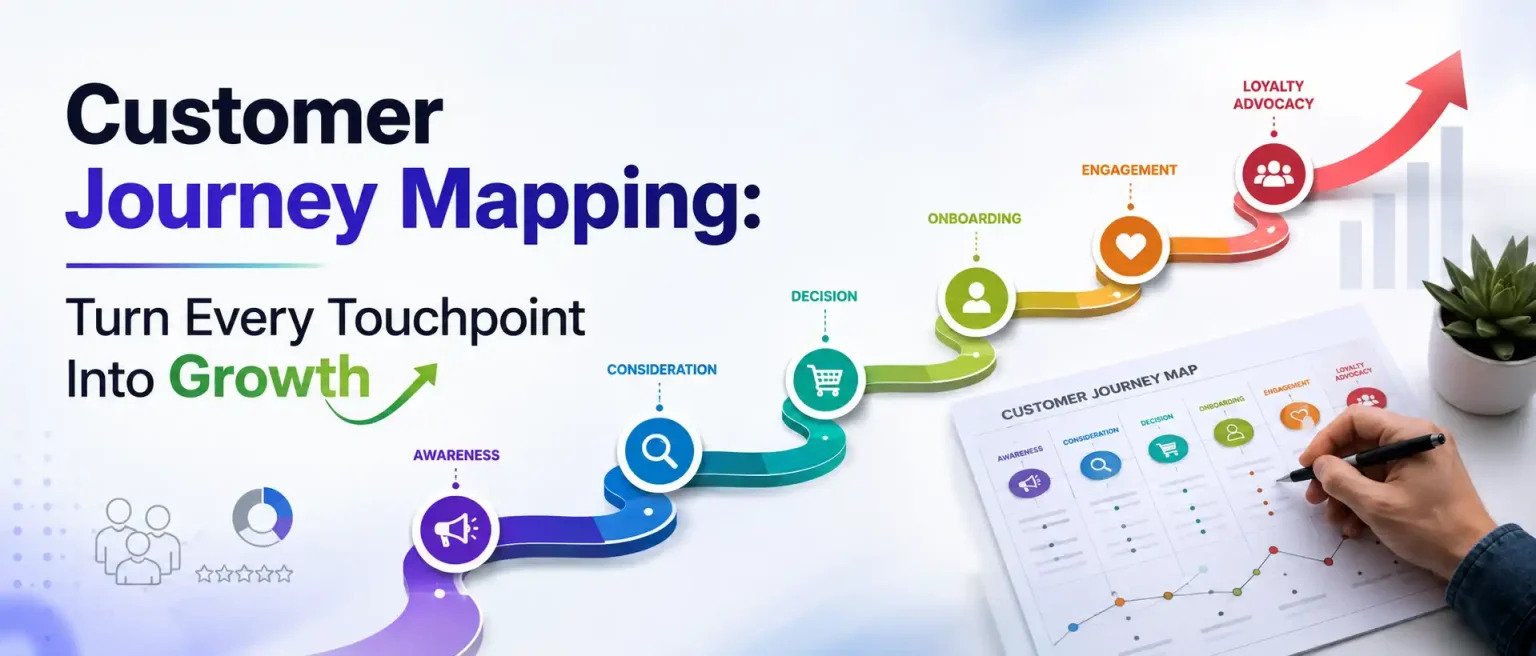
Every business wants to find more buyers, but it is easy to forget how people actually make choices online. People do not just look at a product and buy it right away. They go through a long process from finding out a brand exists to finally paying for a service. This process is the Customer Journey. If you want to connect with people, you need to understand how the Customer Journey works for your brand. Content marketing is the tool that helps you talk to people at every single step of this long path. When you use articles, videos, and guides, you can improve customer experience at every stage.
Why Understanding the Customer Journey Matters
Many business owners think that creating content is just about writing random articles on a website. That is not how it works if you want real growth. Every person has a different mindset depending on where they are in the customer lifecycle. A person who just found your website today does not want a hard sales pitch. They need helpful details. This is why you need journey mapping to see the whole path clearly. When you do journey mapping, you see all the ways people talk to your brand.
                  Customer Journey Mapping
                             │
     ┌───────────────────────┼───────────────────────┐
     ▼                       ▼                       ▼
Awareness Phase         Consideration Phase     Decision Phase
 (Educational)           (Comparison/Specs)     (Trust/Testimonials)
Through proper journey mapping, you can target individual touchpoints. Touchpoints are the specific moments where a reader clicks your page, reads an email, or looks at your social media. If you manage these touchpoints well, the digital customer journey becomes smooth. You must know what your customer personal wants to read. Understanding the customer personal helps you write words that feel real. If you do not know your customer personal, your content will feel empty and will not fix customer behavior problems.
Using Content for Different Customer Journeys
Different people take different paths, which means there are many customer journeys happening at the same time. You cannot just write one blog post and expect it to fix everything. For the early part of the digital customer journey, you need simple educational content. This is where you study customer behavior to see what questions people are typing into search engines. If you see their customer behavior shows confusion about a topic, you write a guide to help them out.
As people move deeper into the customer experience journey, their needs change completely. They start comparing your business with other options. Here, content like case studies or product comparisons will help improve customer experience. You are guiding them through the complex customer journeys without forcing them to buy. Each of the digital customer journey touchpoints must offer something useful. If a reader feels that you are just trying to take their money, they will leave the customer experience journey immediately.
How Data Shapes Your Content Strategy
You cannot just guess what your readers want because guessing usually fails. This is where customer journey analytics becomes very helpful for a digital marketer. When you look at customer journey analytics, you see exactly where people get stuck. Maybe they read your top blog posts but never click to the next page. This customer behavior data tells you that your content is not connecting to the next phase of the customer lifecycle.
By looking closely at customer journey analytics, you can fix broken touchpoints. You might need to change the tone or add better links to make the digital customer journey better. When you track these customer journeys, you learn how to improve customer experience for future readers. You see what a real customer personal needs to see before they feel comfortable making a purchase.
Managing the Entire Customer Lifecycle
Content marketing does not stop when someone buys your product. The customer lifecycle continues long after the first sale. You want these buyers to stay with you for years. You can create exclusive guides, updates, and helpful tips to keep them happy during their post-purchase customer experience journey. If you ignore people after they buy, you ruin the entire customer experience journey.
Every single one of the touchpoints you create should build trust. When you study the customer journeys of your happiest buyers, you can recreate that exact path for new users. Use journey mapping regularly to check if your content still aligns with modern customer behavior. The online world changes fast, so your journey mapping must change too.
When you focus heavily on the Customer Journey, your content marketing becomes much more powerful. You stop wasting time on random ideas and start building real connections. By tracking customer journey analytics and updating your customer personal profiles, you ensure that every piece of text has a clear purpose. It is all about making the Customer Journey as easy and pleasant as possible for everyone who visits your website.
