

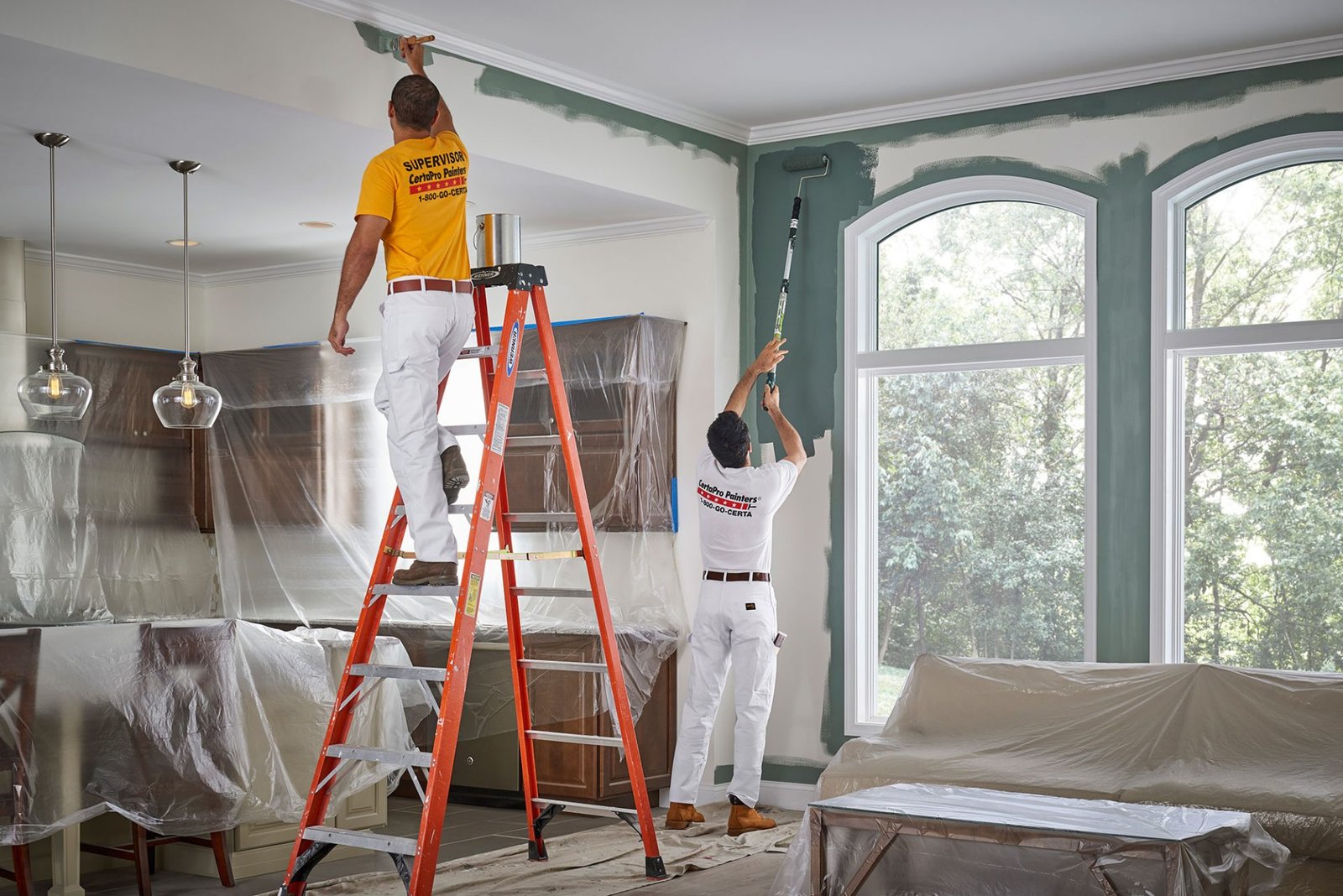
Painting your home is one of the easiest and most effective ways to refresh its look. But before starting, it’s important to understand the cost involved. One key factor is the interior painting labor cost per square foot. Knowing this helps you plan your budget properly and avoid unexpected expenses.
In this guide, we will explain everything about labor costs, factors affecting pricing, ways to save money, and tips for a successful painting project. We will use simple language so anyone can understand.
Why Labor Cost Matters in Painting
When you hire a professional painter, your payment is usually divided into two parts: paint and materials, and labor. Labor often forms a large portion of the total cost. Understanding the interior painting labor cost per square foot allows you to:
- Plan your budget correctly
- Compare quotes from different painters
- Avoid paying too much
- Ensure quality work
Many homeowners focus only on paint quality. While paint is important, labor cost often has a bigger impact on the total project price.
Factors Affecting Painting Labor Costs
Several factors influence how much painters charge. These include:
1. Room Size and Shape
Large rooms require more time, effort, and paint. Irregular shapes, high ceilings, or multiple corners increase labor time, which increases cost.
2. Wall Condition
If walls are damaged, have cracks, or need old paint removed, painters will charge extra. Preparing walls properly ensures a smooth finish and long-lasting results.
3. Paint Type and Finish
Some paints are easy to apply, while others, like high-gloss or textured paints, require skill and multiple coats. Specialty paints can increase labor charges.
4. Number of Coats
Most painters charge based on the number of coats. Applying two or more coats costs more than a single coat.
5. Location
Labor rates vary by city or region. Urban areas with high living costs often have higher labor rates than small towns.
6. Experience of the Painter
Experienced painters usually charge more because they provide better quality work. Hiring skilled professionals can save you money in the long run by avoiding mistakes.
How Labor Cost Per Square Foot is Calculated
Painters generally calculate labor based on the square footage of walls. Here’s how it works:
- Measure the total wall area in square feet.
- Multiply the area by the painter’s labor rate per square foot.
For example, if your walls cover 1,200 sq ft and the painter charges $2 per sq ft, the labor cost will be:
1,200 sq ft × $2 = $2,400
Keep in mind this is just labor. Paint, primer, brushes, and other materials are additional costs.
Average Labor Costs
The interior painting labor cost per square foot varies depending on experience, location, and complexity. General estimates:
- Low-cost painters: $1 – $2 per sq ft
- Mid-range professional painters: $2 – $3 per sq ft
- High-end or specialty painters: $3 – $5 per sq ft
These rates cover only labor. Material costs must be added separately.
Ways to Save on Labor Costs
Even if hiring a professional, you can reduce costs with a few smart strategies:
1. Prepare Walls Yourself
Cleaning, moving furniture, and taping edges reduces the painter’s time, which lowers labor cost.
2. Compare Multiple Quotes
Get at least three quotes from different painters. Compare labor rates, services, and reviews to find the best value.
3. Schedule Off-Peak
Labor charges may rise during busy seasons. Scheduling your painting project during slower months can save money.
4. Stick to Standard Paint Colors
Custom or unique colors may need extra coats, which increase labor charges. Standard colors are faster and cheaper to apply.
5. Limit Room Complexity
Simpler rooms with fewer corners and no intricate trims are cheaper to paint. Consider this when planning your project.
DIY vs Hiring Professionals
Doing the painting yourself can eliminate labor cost entirely. However, consider:
- Time and effort: Painting requires hours and skill for a neat finish.
- Tools: Brushes, rollers, ladders, and drop cloths are necessary.
- Mistakes: Errors may damage walls and increase costs in the long run.
DIY is suitable for small rooms or simple tasks. For large projects, professional painters ensure a faster and high-quality result.
Signs You Are Paying a Fair Price
To ensure your labor cost is reasonable:
- Labor cost is clearly listed per square foot.
- Material costs are separate.
- Painter provides a guarantee for the work.
- You check references or reviews.
A fair interior painting labor cost per square foot reflects skill, experience, and professionalism.
Common Mistakes to Avoid
- Choosing the cheapest painter without checking experience.
- Ignoring wall preparation costs.
- Forgetting to include ceilings, trims, or doors in square footage.
- Not confirming whether labor includes cleanup.
Avoiding these mistakes ensures you get value for your money.
Conclusion
Understanding the interior painting labor cost per square foot helps you plan your home painting project wisely. Labor is a major part of your budget, and knowing what to expect prevents surprises. By considering room size, wall condition, paint type, and painter’s experience, you can budget accurately and achieve beautiful results.
Careful planning, comparing quotes, and smart preparation save money while ensuring professional-quality work. Painting your home is a big investment, and understanding labor costs makes the process smooth and stress-free.
