

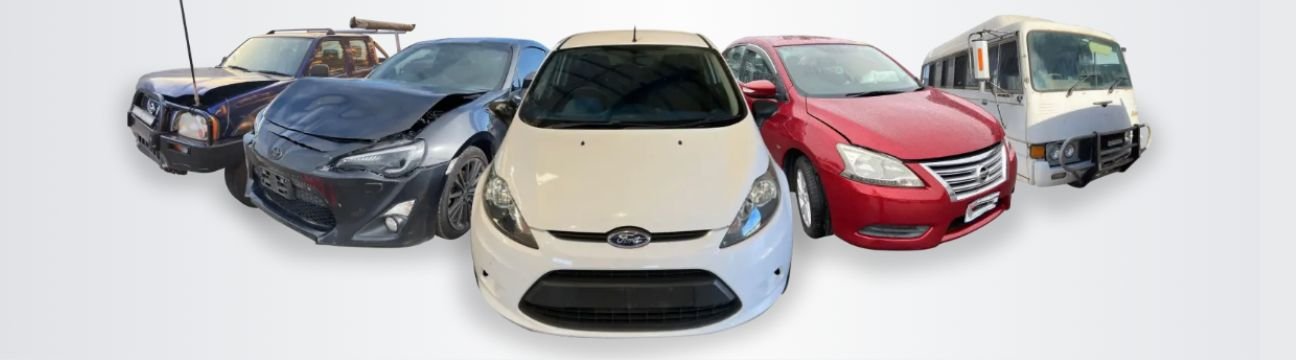
Car wrecking plays a major role in how old, damaged, and unwanted vehicles are handled across Melbourne. Many vehicle owners hold on to cars that no longer run, have failed registration checks, or cost more to repair than they are worth. In such cases, car wreckers become an important part of the vehicle life cycle.
Car wreckers in Melbourne operate within legal and environmental rules set by local and state authorities. Their work helps reduce landfill waste, lowers illegal dumping, and supports metal recycling across Victoria. This process allows vehicle owners to clear space while making sure the vehicle is handled in a lawful way.
Understanding how car removal Melbourne work helps vehicle owners make informed choices when their car reaches the end of its usable life.
What Does a Car Wrecker Do
A car wrecker buys vehicles that are no longer needed or roadworthy. These vehicles may be accident damaged, written off, rusted, or simply old. Once collected, the vehicle goes through a structured process.
First, usable parts are removed. Items such as engines, gearboxes, doors, mirrors, alternators, and tyres are checked. Parts that still meet working standards are cleaned and stored for resale. This supports the used auto parts market and reduces the need for new manufacturing.
Next, fluids such as oil, coolant, brake fluid, and fuel are drained and handled according to environmental rules. This step prevents soil and water damage.
After that, the remaining metal body is crushed and sent to metal recycling facilities. Steel and aluminium from old vehicles are reused in construction, manufacturing, and other industries.
Why Car Wrecking Matters in Melbourne
Melbourne has a high number of registered vehicles, with many reaching the end of their working life each year. Without car wreckers, abandoned vehicles would create safety and environmental risks.
Car wrecking reduces roadside dumping and backyard storage of unusable vehicles. It also supports scrap metal recycling targets set by Victoria’s waste management policies.
Recycling metal from vehicles uses less energy than producing metal from raw materials. This reduces emissions and resource use. Each recycled car saves hundreds of kilograms of raw iron ore.
Car wreckers also support local mechanics and repair shops by supplying used parts that meet practical needs.
Types of Vehicles Accepted by Car Wreckers
Car wreckers in Melbourne accept a wide range of vehicles. These include passenger cars, four-wheel drives, vans, utes, and light trucks. Vehicles can be petrol, diesel, hybrid, or electric.
Condition does not usually matter. Cars that are accident damaged, fire affected, hail damaged, rusted, or failed roadworthy checks are commonly accepted. Unregistered and non-running vehicles are also part of regular intake.
Both private owners and businesses such as fleet operators, workshops, and insurers use car wrecking services.
Legal Requirements for Selling a Vehicle to a Wrecker
Selling a vehicle to a car wrecker in Melbourne requires proof of ownership. This usually includes a driver licence and vehicle ownership documents.
If the vehicle is registered, plates may need to be returned to VicRoads, depending on the situation. If the vehicle is unregistered, the seller still needs to confirm legal ownership.
Car wreckers are required to keep records of purchased vehicles. This helps prevent theft-related activity and ensures compliance with state regulations.
Environmental Handling of End-of-Life Vehicles
Environmental handling is a core part of car wrecking. Vehicles contain materials that can harm the environment if not managed properly.
Fluids are collected and treated or recycled. Batteries are removed and sent to approved recycling centres. Tyres are separated for reuse or rubber processing.
Plastics, glass, and wiring are sorted based on material type. This process reduces landfill use and supports reuse across different industries.
Melbourne-based wreckers operate under guidelines that aim to limit pollution and promote responsible waste handling.
How Vehicle Parts Are Reused
Used vehicle parts play a major role in car wrecking operations. Many parts from older vehicles still meet working standards and suit repair needs.
Mechanical parts such as starters, alternators, engines, and transmissions are tested. Body panels, headlights, mirrors, and interior parts are inspected for usability.
These parts support vehicle owners who drive older models where new parts are no longer made or cost much more than practical repair options.
Reusing parts also reduces manufacturing demand, which supports resource conservation.
Economic Role of Car Wreckers
Car wreckers support the local economy by creating jobs in vehicle collection, dismantling, parts testing, administration, and metal processing.
The scrap metal industry linked to car wrecking feeds into construction, infrastructure, and manufacturing sectors across Australia.
Car wrecking also allows vehicle owners to recover some return from vehicles that would otherwise sit unused or require paid disposal.
Choosing the Right Time to Use a Car Wrecker
Vehicle owners usually consider car wrecking when repair costs exceed vehicle worth, registration renewal fails, or safety issues arise.
Signs include repeated mechanical failure, structural rust, engine damage, or accident write-offs. In these cases, continuing repairs often does not make sense.
Using a car wrecker at the right time prevents ongoing costs such as storage, insurance, or fines linked to abandoned vehicles.
Role of Car Wreckers in Melbourne’s Recycling System
Car wreckers form a link between vehicle ownership and metal recycling. Without this link, many vehicles would not enter the recycling stream correctly.
The steel recovered from vehicles is reused in building frames, tools, and transport infrastructure. Aluminium parts are melted and reused in manufacturing.
This cycle supports Australia’s broader recycling goals and reduces dependence on imported raw materials.
Many vehicle owners reach a point where repair no longer suits their situation, and proper vehicle disposal becomes necessary. At this stage, services such as car wreckers Melbourne help manage unwanted vehicles in a lawful and environmentally responsible way. One such service operates through this process by collecting vehicles, removing usable parts, and directing remaining materials into recycling channels according to local standards. More details about how this service handles vehicle wrecking can be reviewed here: https://melbournecash4carz.com.au/car-wreckers/
Common Myths About Car Wrecking
Some people believe car wrecking only applies to completely destroyed vehicles. In reality, many vehicles still contain parts that hold reuse potential.
Another myth is that vehicle disposal always costs money. In many cases, the value of metal and parts offsets handling costs.
Some also assume car wrecking harms the environment. When handled under regulations, it supports environmental protection rather than damage.
Final Thoughts on Car Wreckers in Melbourne
Car wreckers play a structured role in Melbourne’s vehicle and recycling system. They support legal disposal, parts reuse, and material recovery while reducing waste and pollution.
Understanding how car wrecking works allows vehicle owners to make informed decisions when a car reaches the end of its working life. Through regulated processes, car wreckers help maintain safety, environmental care, and responsible vehicle handling across Melbourne.
