

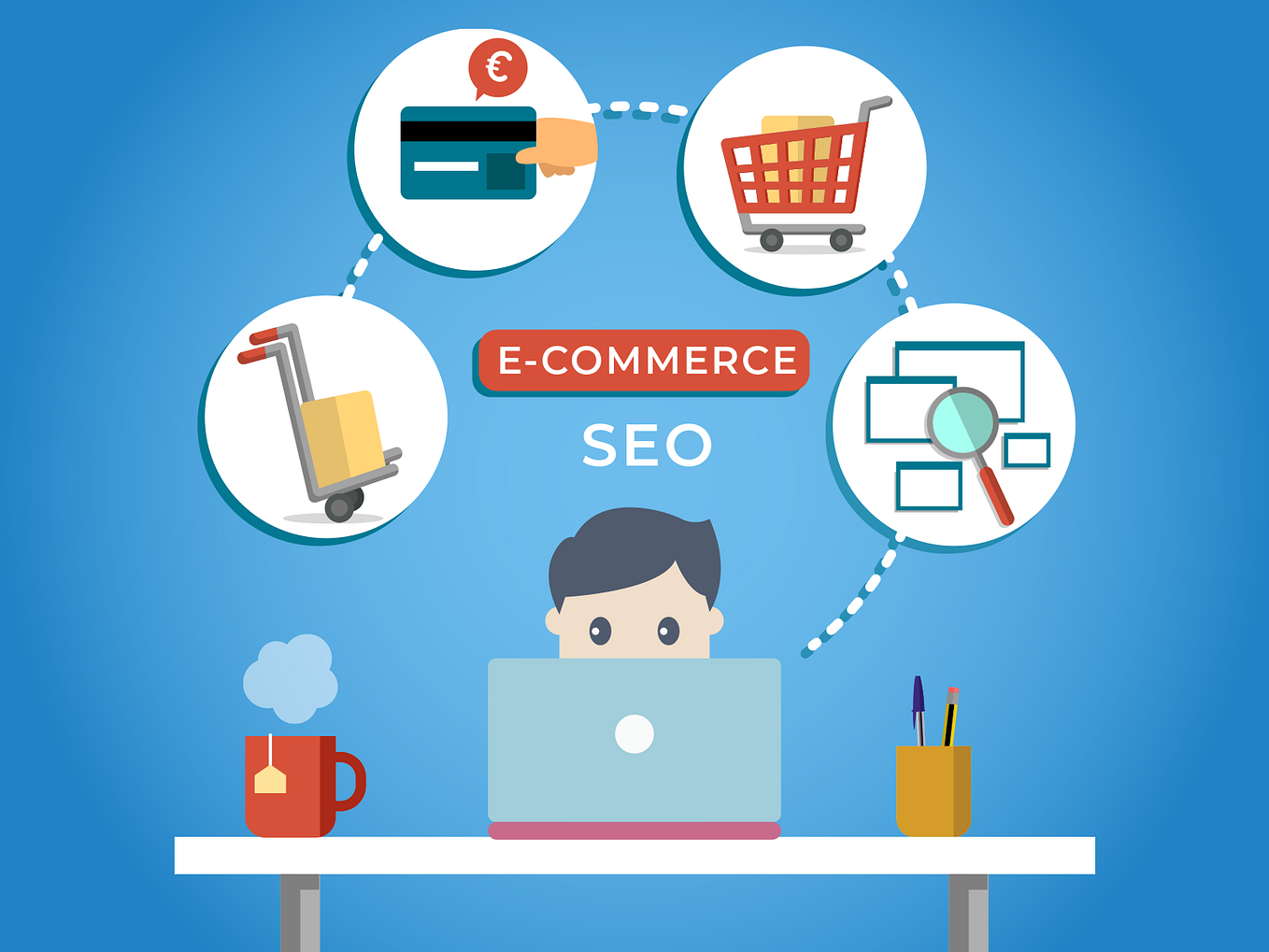
For online retailers, visibility in search results plays a major role in attracting potential buyers. Many shoppers begin their purchasing journey by searching for products, comparisons, or reviews through search engines. If an online store does not appear in those searches, it misses valuable opportunities to reach high-intent customers.
This is where ecommerce SEO services for online stores become important. By improving product discoverability, optimizing category pages, and aligning content with search intent, ecommerce SEO helps online stores attract organic traffic and support long-term sales growth.
Understanding Search Behavior in Ecommerce
Online shoppers usually search with a clear purpose. They might be comparing products, reading reviews, or looking for the best option within a category.
Understanding how users search helps ecommerce businesses identify:
- Product-focused queries
- Category searches with purchase intent
- Comparison searches such as “best” or “review”
- Informational searches related to product decisions
Aligning store pages with these search patterns allows online retailers to appear in results where customers are actively exploring purchase options.
Key Strategies Behind Effective Ecommerce SEO
A strong ecommerce SEO strategy involves several coordinated improvements across technical performance, content structure, and search intent alignment.
Technical Optimization for Online Stores
Large ecommerce websites often contain hundreds or thousands of product pages. Without clear site architecture, search engines may struggle to crawl and index these pages effectively.
Technical optimization typically focuses on:
- Improving page loading speed
- Ensuring mobile usability
- Managing duplicate content from product variations
- Structuring internal links across categories and products
These improvements help both search engines and users navigate the store more easily.
Product and Category Page Optimization
Product pages often act as the main entry point for organic traffic. Well-structured descriptions, clear specifications, and organized category pages help search engines understand what each page represents.
Optimized product content also improves the shopping experience, helping customers evaluate options and make purchasing decisions more confidently.
Aligning Content With Search Intent
Effective ecommerce SEO does not rely on generic keywords alone. Instead, it prioritizes queries that indicate buying intent.
Examples include:
- Product-specific searches
- Brand and model queries
- Category searches combined with modifiers such as “best” or “affordable”
This approach helps ensure that traffic arriving through search engines consists of users more likely to convert.
Scalable Optimization for Growing Catalogs
As ecommerce stores expand their product catalogs, SEO strategies must scale accordingly.
Structured optimization frameworks allow businesses to manage:
- New product page indexing
- Category expansion
- Seasonal product visibility
- Ongoing technical monitoring
This is where ecommerce SEO services for online stores often deliver the most value, helping businesses maintain visibility as their inventory grows.
Supporting Conversions Through SEO
Generating traffic is only part of the goal. Ecommerce SEO should also support conversions and sales.
Improving Product Content
Detailed product descriptions, accurate specifications, and helpful imagery make it easier for shoppers to evaluate items and complete purchases.
Enhancing User Experience
Fast load times, mobile-friendly layouts, and intuitive navigation create a smoother shopping experience and reduce abandonment rates.
Strengthening Internal Navigation
Connecting related products and categories helps customers explore more options while improving crawlability for search engines.
Learning From Competitor Insights
Competitor analysis helps online stores understand where visibility gaps may exist.
Reviewing competitor strategies can reveal:
- Keyword opportunities
- Content improvements
- Backlink sources
- Category coverage gaps
These insights help refine SEO strategies and strengthen overall competitiveness.
Changing Search Behavior in Ecommerce
Search behavior continues to evolve as new technologies influence how consumers discover products.
Voice queries, image-based search, and conversational searches are gradually shaping how people interact with search engines. Online stores that maintain clear product information and structured content are better positioned to adapt to these changes.
Optimizing product images, maintaining accurate metadata, and improving page clarity all contribute to stronger visibility across emerging search formats.
Conclusion
Search visibility plays a critical role in ecommerce growth. By improving product discoverability, aligning content with customer intent, and maintaining strong site architecture, online retailers can attract qualified traffic that supports consistent sales.
For businesses looking to strengthen organic performance, experienced partners such as ResultFirst can help ensure that ecommerce SEO services for online stores remain aligned with measurable growth objectives.
If organic search is expected to contribute meaningfully to your ecommerce strategy, reviewing the scalability and effectiveness of your current SEO framework is an important step toward long-term success.
