

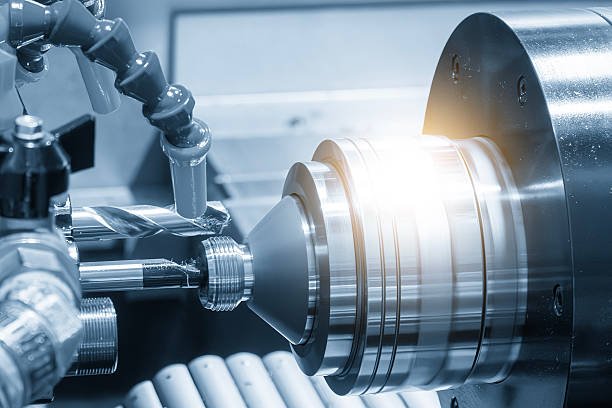
Everyone talks about how precise Swiss machines are. Tight tolerances, tiny parts, beautiful finishes. Sure, that’s all true. But let’s not pretend CNC Swiss machining is some magic solution that works for everything. It isn’t. There are trade-offs. Real ones. And most people don’t hear about them until they’re already deep into a project and wondering why things got complicated… or expensive. Truth is, Swiss machining shines in specific scenarios. Outside of that, it can feel like using a scalpel when you really needed a hammer. Clean, yes. Efficient? Not always.
Small Parts Only: And That’s a Hard Limit
Let’s start with the obvious, but still overlooked. Size matters here. Swiss machines are built for small, slender components. That’s their lane. Try pushing beyond that, and things get awkward fast. You’re generally capped by bar diameter and length constraints. Long parts? Fine, if they’re thin. Thick parts? Now you’re asking for trouble. The machine just isn’t designed for bulkier geometries. And forcing it usually leads to chatter, tool wear, or just bad results. So yeah, if your part doesn’t fit the “long and skinny” profile, Swiss machining might not be the hero you’re hoping for.
Setup Complexity Can Bite You
People love to talk about cycle time savings. Fair. But they skip over setup. And set up on Swiss machines? It’s not exactly plug-and-play. You’ve got guide bushings, multiple tools, and tight alignments. Everything has to be dialed in just right. That takes time. Skilled operators, too, not just anyone can run these machines well. If you’re doing high-volume runs, that setup time gets absorbed. No big deal. But for smaller batches, it can feel like overkill. You spend more time preparing than actually cutting parts. Not ideal.
Material Limitations Are Real
Another thing people gloss over, material choice. Swiss machines don’t love everything equally. Some materials just don’t behave well in that environment. Sticky materials like certain stainless steels? They can cause issues. Soft plastics? They might deflect or warp under pressure. Even harder alloys can accelerate tool wear in ways that hurt your bottom line. The short answer is, yes, you can machine a wide range of materials. But should you? That’s a different question. Sometimes, conventional CNC setups handle those materials better, plain and simple.
Not Always Great for Quick Turn Jobs
Here’s where it gets interesting. In the middle of a fast-paced production schedule, people start looking at quick-turn CNC machining options. And Swiss machining doesn’t always fit that bill. Why? Because of that setup we talked about. It slows things down upfront. If you need parts yesterday, Swiss machines might not be the fastest route unless everything is already tooled and ready. There’s also programming complexity. Multi-axis movements, synchronized operations, it’s powerful, but not quick to set up from scratch. For urgent, low-volume jobs, simpler CNC machines often win. Less fuss. Faster turnaround.
Cost Isn’t Always Justified
Let’s be real for a second. Swiss machining can get expensive. The machines themselves cost more. The tooling can cost more. And skilled labor? Definitely costs more. So when does it make sense? High precision, high volume, small parts. That sweet spot. Outside of it, the math can fall apart pretty quickly. If your tolerances aren’t super tight, or your volumes are low, you might be paying for capability you don’t actually need. And that’s a tough pill to swallow when budgets are tight.
Design Constraints Sneak Up on You
Designing for Swiss machining isn’t as flexible as people assume. There are constraints. Subtle ones, but they matter. Deep cuts, complex geometries, odd features, they can complicate things fast. Sometimes you need additional operations or secondary machining, which kind of defeats the purpose of using Swiss in the first place. And then there’s tool access. Not every feature is easy to reach within that setup. Designers who aren’t familiar with Swiss machining often run into this late in the process. By then, changes are expensive.
Maintenance and Downtime Are Underrated Issues
Here’s something you don’t hear enough about, maintenance. Swiss machines are precise, yes. But that precision comes at a cost. They need regular upkeep. Guide bushings wear out. Tools need frequent replacement. Alignment has to stay perfect. When something goes wrong, downtime can be longer than expected. It’s not like a basic CNC mill where you swap a tool and keep going. These systems are more sensitive. And that sensitivity can impact production schedules in ways people don’t plan for.
Conclusion: Powerful, But Not a One-Size Solution
So where does that leave us? CNC Swiss machining is incredible when used in the right context, no argument there. But it’s not the universal answer some make it out to be, especially when compared with options like quick turn cnc machining, which can be more suitable for certain timelines and project needs. The limitations are real. Size constraints, setup time, cost, material challenges… they all add up. Ignore them, and you’ll feel it later, usually through delays or unexpected costs. The better approach? Be honest about your needs. Match the process to the part, not the other way around. Because sometimes, the simplest machining method is the smarter one, even if it’s not as flashy.
