

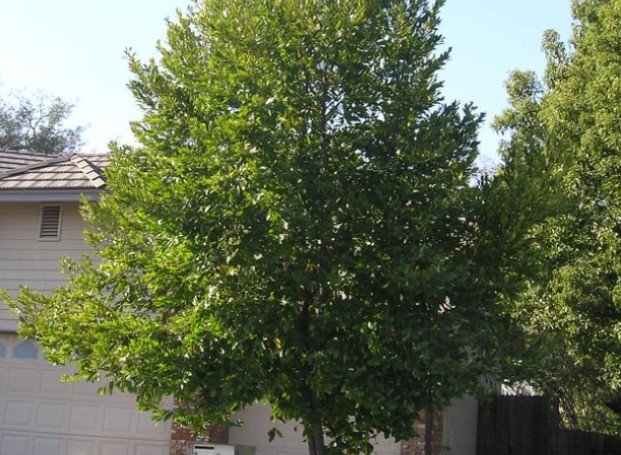
Maintaining a well-shaped and healthy garden landscape requires regular care, and proper pruning plays a key role in achieving that. The cherry laurel tree is a popular evergreen choice known for its dense foliage and fast growth, making it ideal for hedges and privacy screens. However, without proper pruning, it can quickly become overgrown and lose its natural form. Understanding the right techniques and timing is essential for keeping this tree both attractive and healthy.
Why Pruning is Important
Pruning a cherry laurel tree is not just about appearance; it also promotes better plant health. Regular trimming helps remove dead, damaged, or diseased branches, which can otherwise spread infections throughout the plant. It also improves air circulation and allows sunlight to reach the inner parts of the tree.
Additionally, pruning encourages new growth and helps maintain a dense, compact structure. This is especially important when the tree is used as a hedge, where uniformity and thickness are desired. Without pruning, the tree may become sparse in some areas and overly thick in others.
Best Time to Prune
Timing is crucial when pruning a cherry laurel tree. The ideal time to prune is in late spring or early summer, just after the flowering period. This allows the tree to recover quickly and produce fresh growth during the growing season.
Light trimming can also be done in late summer if needed to maintain shape. However, heavy pruning should be avoided in late autumn or winter, as this can expose the plant to cold damage and slow down recovery.
Tools Needed for Pruning
Using the right tools makes pruning more effective and prevents unnecessary damage to the cherry laurel tree. Sharp hand pruners are ideal for cutting small branches, while loppers are better suited for thicker stems. For larger or mature trees, a pruning saw may be required.
It is important to keep tools clean and sharp to ensure smooth cuts and reduce the risk of disease transmission.
Basic Pruning Techniques
To maintain the shape and health of a cherry laurel tree, it is important to follow proper pruning techniques. Start by removing any dead, damaged, or crossing branches. This helps improve the overall structure and prevents overcrowding.
Next, trim back overgrown areas to maintain the desired shape. When pruning, make clean cuts just above a leaf node or bud to encourage new growth. Avoid cutting too close to the main stem, as this can damage the plant.
Managing Growth and Size
A cherry laurel tree is known for its vigorous growth, which makes regular maintenance essential. Pruning helps control the size of the tree and prevents it from becoming too large for the available space.
If the tree has become overgrown, gradual pruning over multiple seasons is recommended instead of cutting it back drastically all at once. Severe pruning can shock the plant and reduce its ability to recover.
Common Pruning Mistakes to Avoid
While pruning is beneficial, incorrect techniques can harm the cherry laurel tree. One common mistake is over-pruning, which can weaken the plant and reduce its growth. Removing too much foliage at once can stress the tree and make it more vulnerable to diseases.
Another mistake is using dull or dirty tools, which can cause jagged cuts and increase the risk of infection. Cutting at the wrong time of year can also impact the tree’s ability to recover and grow properly.
Long-Term Care After Pruning
After pruning, it is important to provide proper care to support the recovery of the cherry laurel tree. Watering the tree adequately helps it regain strength and encourages new growth. Applying mulch around the base can help retain soil moisture and regulate temperature.
Fertilizing during the growing season can also support healthy development. Monitoring the tree for signs of pests or diseases ensures that any issues are addressed early.
Conclusion
Pruning is an essential practice for maintaining the structure and vitality of a cherry laurel tree. With proper care, a cherry laurel tree can remain a reliable and visually appealing choice among fastest-growing trees. By following the right techniques, using proper tools, and pruning at the correct time, gardeners can ensure healthy growth and an attractive appearance. Regular maintenance not only enhances the beauty of the tree but also improves its longevity and function in the landscape.
