
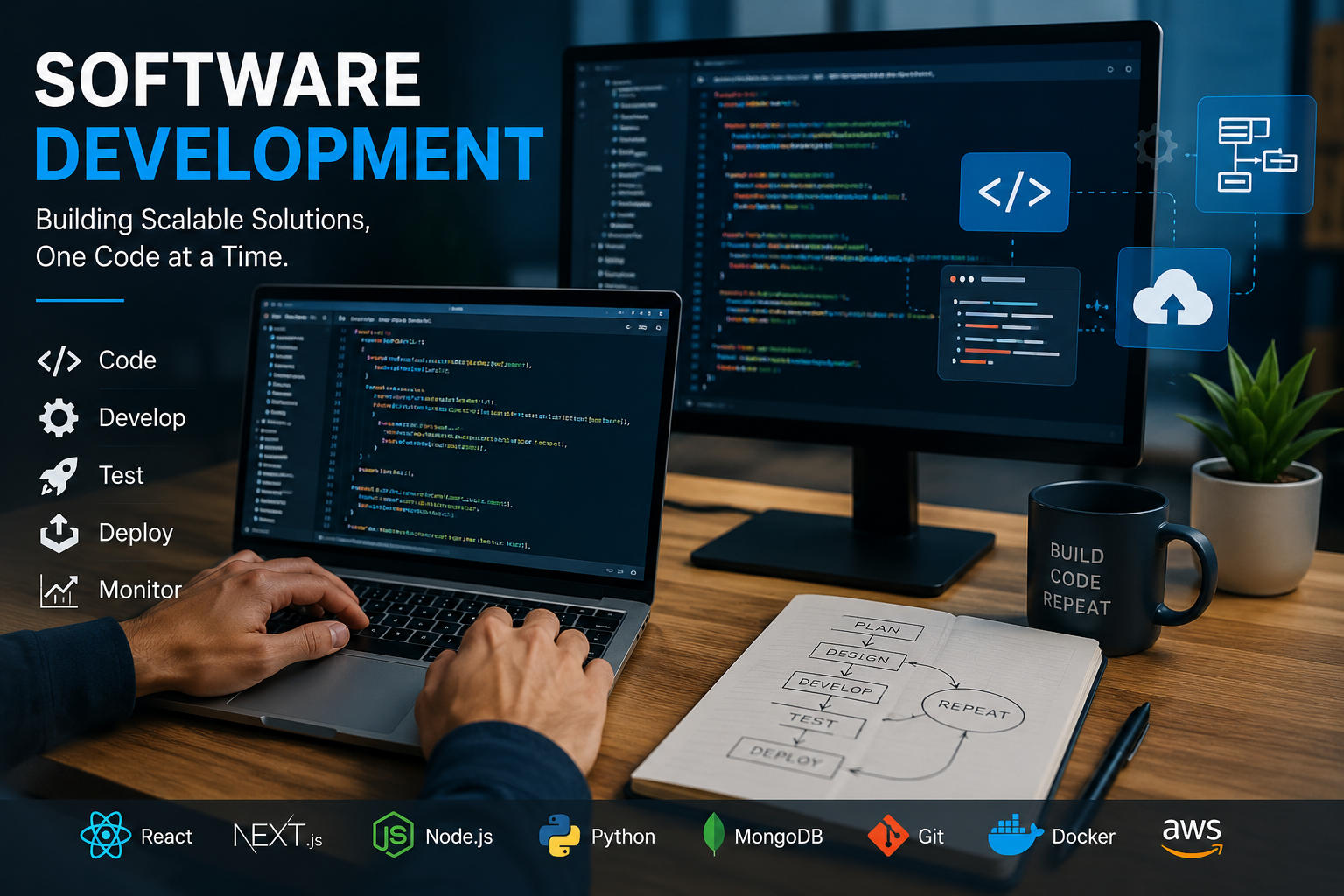
A few years back, writing code meant staring at a blank screen, digging through documentation, and debugging line by line until something finally worked. That process still exists, but it looks a lot different now. AI has quietly worked its way into almost every stage of software development, and most developers can’t imagine going back.
At AtechVibe, we talk to a lot of people building products, and the same thing keeps coming up: AI isn’t replacing developers, but it’s changing how they work every single day.
Coding Is Faster, But It’s Not Just About Speed
The most obvious change is speed. AI coding tools can suggest entire functions, catch typos before you do, and turn a rough comment into working code. That alone saves hours every week.
But the bigger shift is in how developers think about their own work. Instead of writing every line by hand, they’re reviewing, editing, and guiding what the AI produces. It’s less like typing and more like directing. Some developers love this. Others still prefer writing things from scratch. Both approaches work — it just depends on the project and the person.
Testing Doesn’t Feel Like a Chore Anymore
Testing used to be the part of the job nobody looked forward to. Now, AI can generate test cases, spot edge cases a human might miss, and flag bugs before they ever reach production.
This doesn’t mean testing is fully automated. Someone still needs to decide what actually matters to test. But the tedious parts writing repetitive test scripts, checking for obvious mistakes happen much faster now.
Code Reviews Are Getting a Second Set of Eyes
Code reviews used to rely entirely on a teammate’s attention and patience. Now, AI tools often do a first pass — checking for security issues, inconsistent formatting, or logic that doesn’t quite make sense.
This doesn’t replace human reviewers. It just means the human reviewer isn’t wasting time on small stuff. They can focus on bigger questions, like whether the code actually solves the right problem.
Development Teams Are Rethinking Their Workflows
This is where a lot of the real change is happening. Teams are adjusting how they plan sprints, assign tasks, and even hire. If a junior developer can lean on AI coding tools to handle routine work, they can spend more time learning the parts of the job that actually require judgment — architecture decisions, trade-offs, and understanding what users actually need.
Some companies are also using AI to help with documentation, something almost every developer avoids writing. Turns out, having a tool draft the first version makes people far more likely to actually finish it.
What This Means for the Future of the Job
There’s a lot of noise online about AI replacing developers. From what we’re seeing, that’s not really happening. What’s happening instead is a shift in what developers spend their time on.
Repetitive, predictable tasks are getting automated. Creative problem-solving, system design, and understanding business needs are becoming more valuable, not less. In other words, the job isn’t disappearing it’s becoming more focused on the parts that actually require a human brain.
Following AI development trends closely right now is a smart move, whether you’re a solo developer, part of a small team, or running engineering at a larger company. The tools are changing fast, and the people who adapt early tend to have an easier time keeping up later.
FAQs
Will AI replace software developers?
Not really. AI is good at handling repetitive, predictable tasks, but it still needs a developer to guide it, check its work, and make decisions about what actually needs to be built. The job is changing, not disappearing.
What are the most common AI coding tools developers use today?
Most developers use AI for code suggestions, autocomplete, generating test cases, and catching bugs early. The specific tools vary by team, but the goal is usually the same — save time on routine work.
Is it worth learning AI tools if I’m new to software development?
Yes. Getting comfortable with AI coding tools early makes it easier to focus on learning the harder parts of the job, like problem-solving and system design, instead of getting stuck on repetitive tasks.
Do AI tools make code less secure?
Not by default, but they’re not perfect either. AI can help catch some security issues during reviews, but it’s still important to have a human check the final code, especially for anything sensitive.
How is AI changing team workflows, not just individual coding?
Teams are rethinking how they plan work, review code, and even write documentation. With AI handling some of the routine tasks, more time goes toward planning, collaboration, and understanding what users actually need.
Final Thoughts
Software development isn’t becoming less human it’s becoming more selective about where human effort actually goes. AI handles the repetitive groundwork, and developers get to spend more time on the parts of the job that actually need real thinking.
That’s the real story behind AI development trends right now. Not robots replacing programmers, but programmers getting better tools to work with.
As these changes keep unfolding, AtechVibe will keep covering what’s actually useful — no hype, just what’s changing and why it matters.
