

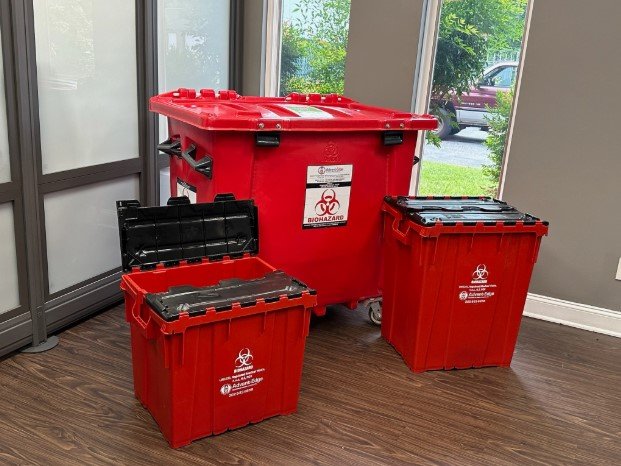
Waste management plays a critical role in protecting public health, healthcare workers, and the environment. Biohazard waste management includes handling materials contaminated with infectious agents such as blood, bodily fluids, sharps, and laboratory cultures. Improper handling and disposal can lead to the spread of diseases, environmental pollution, and serious legal consequences. Understanding the best methods for safe disposal is essential for healthcare facilities, laboratories, and even smaller clinics.
Understanding Biohazard Waste and Its Risks
Biohazard waste is any waste that contains potentially infectious materials. Common examples include used needles, surgical gloves, human tissues, and contaminated laboratory equipment. These materials can carry pathogens such as bacteria, viruses, and parasites, making them dangerous if not managed properly.
The risks associated with poor biohazard waste management are significant. Exposure can result in infections like hepatitis B, hepatitis C, and other serious illnesses. Additionally, improper disposal can contaminate soil and water sources, affecting communities and ecosystems.
Segregation at the Source
One of the most effective methods in biohazard waste management is proper segregation at the point of generation. Waste should be separated into clearly labeled categories such as infectious waste, sharps, and non-hazardous waste. Color-coded containers are commonly used to make identification easier and to prevent mixing.
For example, sharps like needles and scalpels should be placed in puncture-resistant containers, while soft waste like gloves and gauze should go into leak-proof biohazard bags. Proper segregation reduces the risk of contamination and makes subsequent handling more efficient.
Safe Collection and Storage
After segregation, biohazard waste must be collected and stored safely. Containers should be securely sealed and clearly labeled to indicate the type of hazard. Storage areas should be well-ventilated, secure, and away from public access.
It is important to ensure that waste is not stored for extended periods, as this can increase the risk of microbial growth and odor. Timely collection and transportation are essential components of an effective biohazard waste management system.
Transportation and Handling
Transporting biohazard waste requires strict adherence to safety protocols. Only trained personnel should handle these materials, using appropriate personal protective equipment such as gloves, masks, and gowns. Vehicles used for transportation should be specially designed to prevent leaks and spills.
Documentation and tracking systems are also crucial during transportation. These ensure accountability and compliance with local regulations, reducing the risk of improper disposal.
Treatment and Disposal Methods
Several methods are used for the safe treatment and disposal of biohazard waste, each with its own advantages.
Incineration is one of the most widely used methods. It involves burning waste at high temperatures to destroy harmful microorganisms. This method significantly reduces waste volume and ensures complete sterilization.
Autoclaving is another effective method, especially for infectious waste. It uses high-pressure steam to kill pathogens. This process is commonly used in hospitals and laboratories due to its reliability and cost-effectiveness.
Chemical disinfection is suitable for liquid waste. Chemicals such as chlorine compounds are used to neutralize pathogens before disposal. This method is particularly useful for treating wastewater and laboratory liquids.
Regulatory Compliance and Training
Compliance with local and international regulations is a fundamental aspect of biohazard waste management. Authorities have established guidelines to ensure that waste is handled, transported, and disposed of safely. Failure to comply can result in legal penalties and reputational damage.
Training is equally important. Staff members must be educated on proper handling procedures, use of protective equipment, and emergency response measures. Regular training sessions help maintain high safety standards and reduce the likelihood of accidents.
The Role of Technology and Innovation
Advancements in technology are improving the efficiency and safety of biohazard waste management. Automated systems, real-time tracking, and advanced sterilization techniques are helping organizations manage waste more effectively. These innovations not only enhance safety but also reduce environmental impact.
Conclusion
For facilities seeking reliable solutions, adopting advanced strategies and professional services can significantly improve outcomes, especially in regions focusing on specialized services like medical waste disposal in Virginia. Effective biohazard waste management requires a comprehensive approach that includes proper segregation, safe handling, reliable treatment methods, and strict regulatory compliance. By adopting best practices, organizations can minimize risks, protect public health, and preserve the environment.
