
Harnessing solar energy in the UAE is no longer just a sustainability trend, it’s a strategic move toward long-term efficiency, lower operational costs, and greener infrastructure. Yet behind every panel, grid connection, and illuminated rooftop lies a far more complex journey than most people realize. Solar development is not simply about installing equipment; it’s about engineering, environment, and smart planning coming together in perfect sync.
This blog uncovers the lesser-known factors that truly determine whether a solar project thrives or fails, especially within the fast-evolving landscape of solar power construction in Dubai and the broader Middle Eastern region.
Understanding the Landscape Before Construction Begins
The Climate Isn’t Always Your Friend
Dubai’s sun is a gift for renewable energy, but intense heat, sandstorms, and humidity create unique engineering challenges. Materials expand, wiring heats up, and dust reduces power output significantly if not accounted for at the design stage. A reliable project plan must evaluate seasonal variations, shading obstacles, and long-term environmental impact.
Site Assessment Shapes Everything
Before any real solar power construction work begins, engineers conduct studies on soil quality, land orientation, wind load, and structural capacity. Rooftop installations demand load-bearing analysis, whereas ground-mounted systems need geotechnical surveys to ensure the land won’t shift, crack, or erode over time.
Why Engineering Determines Long-Term Success
Customized Designs Are Essential
Dubai’s architecture ranges from compact villas to massive industrial warehouses and towering skyscrapers, each demanding a different solar strategy. Tailored engineering is necessary to determine proper tilt angles, row spacing, and panel orientation. Structural compatibility must be assessed to prevent overload and ensure long-term stability. A customized layout also avoids shading issues caused by neighboring structures. Ultimately, precision design maximizes sunlight absorption and system performance.
Electrical Integration Must Be Precise
A solar project is only as strong as its electrical design, which requires seamless integration with the building’s existing infrastructure. Panels, inverters, breakers, and safety devices must be perfectly aligned for smooth energy flow. Even small wiring mistakes can lead to significant power losses or overheating. Proper grounding and surge protection are equally critical to prevent hazards. Meticulous electrical engineering ensures safe grid connection and long-term system reliability.
Wind and Load Calculations Matter More Than You Think
High-rise rooftops in Dubai experience strong wind pressures that demand advanced anchoring and mounting systems. Ground-mounted arrays must also resist shifting sands, soil movement, and desert conditions. Engineers conduct detailed load assessments to ensure panels can withstand environmental stress. Compliance with international safety codes is mandatory for structural stability. These calculations prevent damage, enhance durability, and ensure safe operation year-round.
The Hidden Logistics Behind Solar Installations
Material Delivery Is a Strategic Operation
Transporting solar panels, mounting structures, and wiring requires meticulous planning because these components are delicate and often bulky. Any mishandling during transit can lead to cracks, dents, or reduced performance capacity. Effective coordination ensures that all materials arrive at the site exactly when needed, preventing storage issues. Timely, damage-free delivery keeps the entire project schedule on track.
Installation Requires Skilled Teams
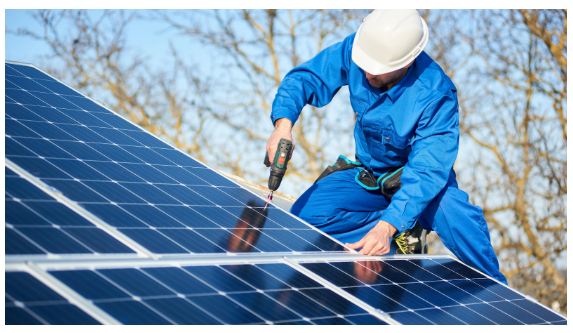
Certified solar technicians are essential because precise alignment and secure mounting directly impact energy production. Even a minor tilt or incorrect angle can significantly reduce sunlight absorption and system efficiency. Skilled professionals also ensure electrical safety during connection and grounding. Their expertise minimizes risks and maximizes long-term system output.
Coordination Determines Timing
A solar project progresses through several phases, including civil preparation, electrical integration, inspections, and performance testing. Delays in one stage can cascade into others, increasing costs and extending the deadline. Proper coordination between teams ensures tasks happen in the right sequence without conflict or overlap. This synergy ultimately leads to smoother workflow and timely project completion.
Regulations Play a Major Role
Dubai Has Strict Solar Policies
Every solar installation must fully comply with Dubai’s safety standards, grid regulations, and all DEWA (Dubai Electricity & Water Authority) requirements. These rules ensure that the system performs safely and efficiently once connected. Projects must submit detailed documentation covering design, equipment, and electrical plans before approval. Multiple inspections are carried out at different phases to verify compliance. Without approvals at each stage, the solar system cannot be connected or activated.
Environmental Compliance Is Not Optional
Solar construction projects must follow strict environmental guidelines to protect wildlife, land quality, and surrounding habitats. Contractors are responsible for minimizing disturbances during excavation, panel mounting, and equipment installation. Proper waste management, especially for packaging, wiring scraps, and metal components, is mandatory. Projects must also ensure no contamination of soil or water sources occurs. Following these measures helps reduce environmental impact and supports long-term sustainability.
Maintenance Is the Secret to Long-Term Performance
Cleaning and Dust Management Are Critical
Dubai’s climate brings frequent dust accumulation, which can reduce solar panel efficiency by up to 30% if not addressed. Regular cleaning schedules are essential to keep panels operating at peak performance. Maintenance teams must also conduct surface inspections to identify scratches, debris, or coating wear. Automated cleaning systems are often recommended for large installations to ensure consistency. Effective dust management directly boosts energy output and system longevity.
Monitoring Systems Catch Problems Early
Modern solar infrastructures use advanced monitoring tools that track real-time performance metrics. These systems detect abnormalities such as voltage drops, shading issues, or wiring faults instantly. Alerts are sent to technicians before minor issues escalate into costly failures. Continuous monitoring also helps optimize energy production based on weather and usage patterns. This proactive approach ensures higher reliability and stronger long-term returns for every installation.
Conclusion
Successful solar development requires planning, engineering precision, environmental awareness, and dedicated execution. With the rising demand for renewable infrastructure in Dubai, choosing the right expertise ensures your solar investment stands strong for decades.
For reliable services related to solar power construction and expert-driven solar power construction work, Biston Construction Company offers industry-leading solutions backed by engineering excellence and proven experience.
If you’d like, I can also create a social media caption, short ad copy, or off-page descriptions for this blog!
